
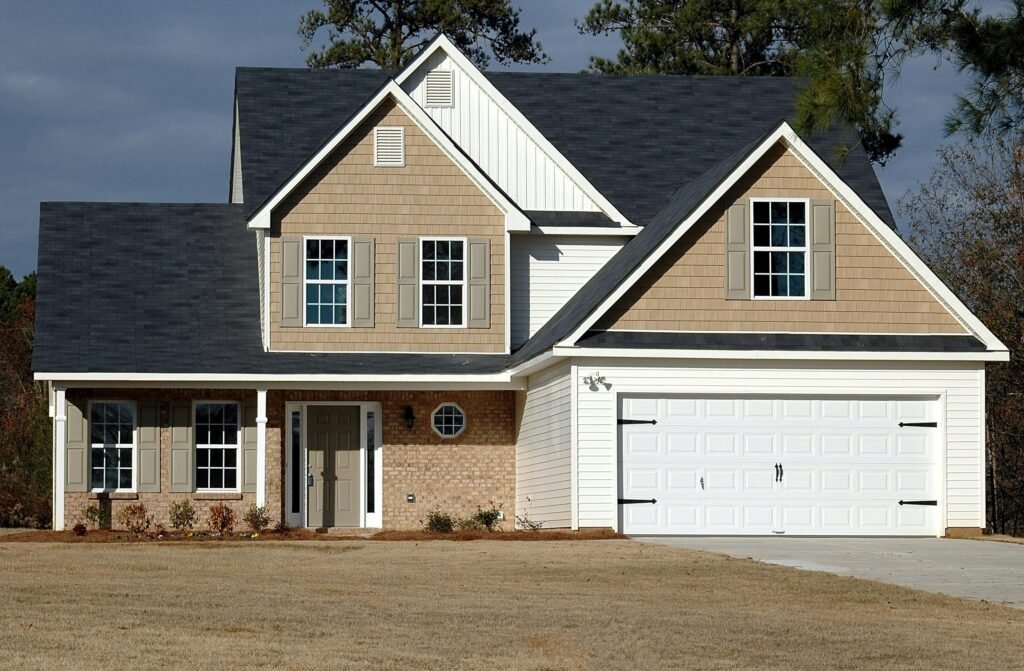
Selling Your Home: Making the Right First Impression 🏡
When it comes to selling your home, the first impression can often make or break a deal. This is why the decision between hosting an open house or opting for private showings is so critical. Both strategies have their own advantages, and understanding how they impact buyer behavior, time on the market, and final sale price can empower you as a seller to make the best choice for your unique situation.
The primary goal of any showing is to generate interest and attract qualified buyers. But how that interest is cultivated—through a crowded open house or a more personalized private tour—can affect your selling experience in very different ways. Sellers must carefully consider factors like timing, privacy, marketing strategy, and buyer psychology before deciding which path to take.
What Is an Open House and How Does It Work? 🗓️
An open house is a scheduled event, usually held on weekends, where anyone—typically without appointment—can walk through a home that’s on the market. It’s often advertised online, on social media, and through signs in the neighborhood. These events can last several hours and are hosted either by the listing agent or sometimes by the homeowner.
Open houses are designed to create buzz and attract large numbers of potential buyers all at once. They can also bring in “looky-loos”—curious neighbors or unqualified buyers just browsing. While this might sound like a waste of time, the goal is to create perceived demand, potentially leading to multiple offers or even bidding wars.
Pros of Hosting an Open House ✅
- Mass Exposure: Open houses can bring in dozens of viewers in one day, increasing your home’s visibility quickly.
- Lower Barrier for Entry: Buyers who may not have committed to scheduling a showing can easily stop by.
- Social Proof: Seeing other interested parties walk through the house creates a sense of competition.
- Immediate Feedback: Sellers and agents can quickly gauge interest and receive real-time feedback from visitors.
Cons of an Open House ❌
- Security Risks: With many people walking through, theft or property damage can become concerns.
- Unqualified Buyers: Many visitors aren’t serious or pre-approved, which can waste valuable time.
- Disruption: You’ll need to vacate your home and keep it spotless during the event.
- Limited Personalization: Agents can’t give individualized attention or answer deep questions during a busy open house.
Understanding Private Showings and Their Process 🔑
Private showings are scheduled appointments between a potential buyer (and their agent) and the seller or seller’s agent. These are often more intimate and controlled environments. Unlike open houses, private showings allow for in-depth discussions, customized presentations, and a better opportunity for buyers to connect emotionally with the property.
For sellers who prioritize security, privacy, or want more control over how their home is presented, private showings are often preferred.
Pros of Private Showings 💼
- Better Qualified Buyers: Only serious, often pre-approved buyers schedule private tours.
- Personalized Experience: Agents can tailor the showing to highlight features that match a buyer’s preferences.
- Greater Flexibility: Showings can happen any day of the week, accommodating a variety of schedules.
- Emotional Connection: Buyers can explore the home at their own pace and ask detailed questions.
Cons of Private Showings 🕰️
- Time-Consuming: You’ll need to clean and vacate your home repeatedly.
- Scheduling Conflicts: Coordinating multiple showings can be stressful.
- Limited Buzz: Private showings don’t create the same perception of high demand that an open house might generate.
The Psychology of Buyers: Open vs. Private 🧠
Buyer psychology plays a massive role in which strategy might be more effective. Open houses tend to attract impulse-driven behavior. A crowded open house can ignite urgency, making a buyer feel like they need to act fast. Conversely, private showings cater to deliberate thinkers—those who need time and personal space to make a confident decision.
This is especially important when your target buyer is a first-time homeowner, investor, or someone relocating from another city. Understanding how different types of buyers respond to different experiences is key to creating the ideal marketing plan.
Costs and Commissions: What’s at Stake for Sellers? 💸
Another key consideration is cost—both upfront and at closing. While open houses don’t typically come with additional costs beyond marketing materials or refreshments, they might lead to faster sales if done well. But speed doesn’t always mean more money.
Private showings, on the other hand, may drag out the timeline but attract higher-quality offers. Either way, your real estate agent plays a pivotal role in facilitating and maximizing whichever approach you choose.
Speaking of which, it’s essential to understand how your agent’s commission may influence the strategies they suggest. Some agents are more motivated by volume than sale price, so it’s in your best interest to know exactly how and what they’re being paid. This breakdown can be crucial—if you haven’t already, check out this guide on Understanding Real Estate Agent Commissions in the US, which explains how commission structures work and what sellers should watch out for.
When to Use an Open House vs Private Showings 🧭
There is no one-size-fits-all answer, but certain situations naturally lean toward one strategy over the other.
Best Situations for Open Houses:
- Your home is in a high-traffic or popular neighborhood.
- You want to sell quickly and build hype.
- You’re in a competitive market where multiple offers are common.
- The home is vacant and easy to show.
Best Situations for Private Showings:
- You’re still living in the home and want to limit disruptions.
- Your home is high-end or custom-built, requiring tailored explanations.
- You’re targeting a very specific buyer demographic.
- Privacy or security is a major concern.
Combining Both Strategies for Maximum Impact 🔀
Many successful sellers don’t choose one over the other—they combine both. You can start with a well-promoted open house to kick off the listing with a splash and then move to private showings for those who express serious interest. This hybrid model ensures broad exposure without sacrificing the personalized touch.
Moreover, this gives your agent a chance to gather interest at scale before investing time in more intensive one-on-one tours. It’s also a good way to test pricing—see what kind of feedback or activity you get from open house traffic and adjust accordingly.
How COVID-19 Changed the Game 🦠
The pandemic forced the real estate industry to rethink the showing process. Virtual tours, scheduled entry windows, and sanitation procedures are now standard, even post-pandemic. Open houses became limited or even banned in some areas, making private showings the only viable option.
Now, buyers are more accustomed to scheduled showings, and many prefer it that way. Sellers, too, have found it easier to control the flow and timing of interested parties, making the process more manageable and efficient.
Checklist: Preparing Your Home for Any Type of Showing 🧽
Regardless of the showing format you choose, preparation is everything. A poorly presented home—cluttered, dark, or unclean—will turn off buyers instantly. Use the following checklist to get your home ready:
- Declutter every room, including closets and storage spaces.
- Deep clean floors, windows, kitchens, and bathrooms.
- Open curtains or blinds to maximize natural light.
- Stage furniture for optimal flow and spaciousness.
- Remove personal items like family photos.
- Add subtle scents like vanilla or citrus.
- Keep pets and their items out of sight.
Being show-ready at all times can feel exhausting, but it will dramatically increase your chances of impressing buyers and receiving strong offers.
Market Conditions and Your Decision 📉📈
Local market conditions should heavily influence whether you lean toward open houses or private showings. In a seller’s market—where demand exceeds supply—open houses may yield quicker results with multiple offers. In a buyer’s market, you may need the precision and personalization of private showings to highlight your home’s strengths over competing listings.
Why Buyer Type Should Influence Your Showing Strategy 👤
Not all buyers are created equal. Understanding your target audience is one of the most strategic ways to decide between open houses and private showings. Are you marketing to first-time homebuyers, seasoned investors, growing families, or retirees looking to downsize? Each of these groups brings a different approach to the buying process.
First-time homebuyers may feel intimidated by one-on-one private showings. They might be more comfortable casually exploring open houses without pressure. Investors, on the other hand, may skip open houses entirely, preferring direct, scheduled showings where they can get specifics and make fast decisions.
If your property has broad appeal, like a starter home or an apartment in a growing metro, an open house can draw a large crowd. But if your home is a high-value asset, such as a custom luxury property or something with unique features, private showings offer the exclusivity those buyers often expect.
Weekend vs Weekday Strategy: Timing Matters ⏰
Timing plays a crucial role in determining the effectiveness of your showing method. Open houses usually happen on weekends—Saturdays and Sundays between 11 a.m. and 4 p.m.—to accommodate the maximum number of potential buyers. This schedule is perfect for those who work full time and don’t have flexibility during the week.
Private showings, however, offer far more flexibility. They can be arranged mornings, evenings, or weekdays, depending on buyer availability. This works especially well for high-demand buyers who want a quieter, distraction-free viewing without the chaos of a packed open house.
There’s also the benefit of urgency: some sellers instruct agents to set limited showing windows, like only Tuesday and Thursday evenings. This can give the illusion of scarcity, pushing buyers to act faster.
Are Open Houses Still Relevant in the Digital Age? 💻
With the rise of virtual tours, 3D walkthroughs, and online listings, many sellers wonder whether open houses are even necessary. In truth, open houses have shifted in their role but haven’t lost their relevance.
What has changed is how buyers use them. Instead of relying on an open house as their first point of contact, many use it as a second layer of confirmation. After exploring a property online, they attend the open house to feel the space in person, verify details, and assess things like lighting, neighborhood ambiance, and potential upgrades.
Moreover, buyers who find a home online and attend an open house often convert faster than those who book blind private showings. That’s because they’ve already done the digital legwork and are now validating their choice in person.
What About Feedback and Buyer Insights? 🧠
Another major advantage of hosting open houses is the immediate and diverse feedback you can gather. Dozens of people walk through your home in a single afternoon, and even brief comments like “the kitchen feels tight” or “great backyard” offer valuable insight.
Agents can compile this feedback to inform future marketing strategies or even influence price adjustments. You’ll learn what’s working and what’s not in a compressed time frame.
Private showings, while fewer in volume, offer more detailed and personalized insights. Buyers tend to open up more when they’re alone with their agent, which leads to richer feedback—like how the layout fits their family needs or whether they see long-term potential in the home.
Security and Liability Considerations for Sellers 🔐
Security is a common concern when letting strangers into your home. Open houses amplify this risk because multiple unvetted individuals are inside simultaneously. Agents are trained to monitor guests, but it’s impossible to watch everyone closely in a crowded setting.
Jewelry, prescription drugs, electronics, and personal documents should be locked away or removed before any showing. Some sellers even install temporary surveillance cameras to monitor activity during open houses.
Private showings reduce this risk because the listing agent or buyer’s agent accompanies vetted, pre-screened clients. Still, it’s essential to prepare your home with the same security mindset every time a showing is scheduled.
The Role of Your Real Estate Agent in Both Scenarios 🤝
A top-tier real estate agent is a game-changer regardless of the showing method. For open houses, your agent needs to be a skilled marketer, able to promote the event, capture interest, and manage visitors professionally. They should know how to highlight your property’s best features to large groups and create urgency without pressure.
In private showings, your agent must shift to a consultative role—answering detailed questions, navigating buyer objections, and building a personal rapport. The more nuanced the property, the more valuable an experienced agent becomes in private settings.
Choosing the right agent—one with a proven track record and strategy alignment—is essential. If you’re unsure where to begin, check out this resource on How to Choose the Best Real Estate Agent Near You, which offers actionable tips on what qualities to prioritize and what red flags to avoid.
Leveraging Digital Marketing Alongside Showings 📱
In today’s market, showings alone aren’t enough. Sellers must combine in-person strategies with strong digital marketing campaigns. A well-run open house should be part of a larger online plan: social media ads, email blasts, virtual staging, and syndication on major listing platforms.
For private showings, digital tools like interactive floor plans, video walkthroughs, and customized e-flyers can pre-qualify buyers and help them fall in love with your home before they ever step inside.
Whether you’re going for mass appeal or exclusivity, having a comprehensive marketing package that leads seamlessly into showings ensures you’re targeting buyers at every stage of their decision journey.
Common Mistakes Sellers Make With Showings 🚫
Even with the best intentions, sellers often make small mistakes that derail their showings. Here are some to avoid:
- Overpersonalization: Buyers need to picture themselves in your home—not your life.
- Strong odors: Whether it’s food, pets, or perfume, scents can be dealbreakers.
- Staying during showings: Sellers who linger make buyers uncomfortable.
- Poor lighting: Dark rooms feel small and uninviting.
- Neglecting curb appeal: First impressions start from the street.
Make sure your agent helps you identify and correct these before any showing occurs.
Using Buyer Feedback to Improve Strategy 📊
Real estate is dynamic, and your showing strategy should be too. If the home sits on the market without offers, use feedback to pivot. Did your open house attract crowds but no follow-ups? Maybe the price is too high. Are private showings generating interest but no offers? Perhaps you need better staging or clearer incentives.
Open houses can be repeated with new marketing angles, while private showings can be adjusted with incentives like buyer credits or flexible closing dates. Stay responsive to what the market tells you.
Creating a Showing Calendar That Works for You 📆
One smart move is to create a “showing calendar” that balances open houses with selective private appointments. For example:
- Week 1: Grand opening open house.
- Week 2: Targeted private showings for interested parties.
- Week 3: Follow-up open house or invite-only event.
- Week 4: Adjust pricing or presentation based on feedback.
This approach not only organizes your schedule but helps keep buyer interest fresh without exhausting you or your family.
Customizing Your Strategy by Property Type 🏘️
Finally, your decision should reflect your property’s specific characteristics:
- Condos and starter homes: Open houses work well due to high buyer volume.
- Luxury homes: Private showings with customized presentations are often better.
- Fixer-uppers: Open houses can help attract investors in bulk.
- Remote or rural homes: Private showings are more effective for serious, motivated buyers.
Matching your showing strategy to your home’s category boosts efficiency and increases your odds of a smooth transaction.

How to Handle Multiple Offers From Different Showing Types 📝
One of the best problems a seller can face is receiving multiple offers. But when those offers come from different sources—one from an open house visitor, another from a private showing—it’s crucial to evaluate more than just the numbers.
A buyer who attended an open house might have submitted an offer quickly, possibly driven by fear of competition. In contrast, a private showing visitor may have taken their time, asked deeper questions, and crafted a more strategic offer.
Look beyond the price tag. Examine contingencies, financing methods, inspection timelines, and buyer flexibility. Your agent should help you compare not just the monetary value, but also the terms, which can make or break your deal.
Negotiating Leverage: Does the Showing Format Matter? 💬
The type of showing can also impact your negotiating leverage. Open houses might lead to multiple offers quickly, which boosts your power as a seller. The urgency and competition generated by a well-attended open house often puts you in the driver’s seat.
However, private showings can lead to more thoughtful offers. Buyers who have invested time in a one-on-one experience are often more emotionally attached to the property. They might be willing to pay more or offer better terms to avoid losing out.
Sellers should use both channels strategically, recognizing the value each type brings to the negotiation table.
Managing Fatigue: The Emotional Cost of Showings 😮💨
Preparing your home repeatedly for private showings or getting everything perfect for a single open house can be exhausting. This emotional toll isn’t talked about enough, but it’s real—especially for sellers with children, pets, or demanding schedules.
One way to manage this stress is to set clear boundaries and communication with your real estate agent. For instance:
- Block specific days when your home is unavailable.
- Request minimum 24-hour notice for all showings.
- Hire a professional cleaner once per week to maintain readiness.
- Use smart locks and security cameras for peace of mind.
By setting expectations, you protect your time, energy, and mental well-being while staying committed to the sale.
Seller Safety Tips During Showings 🔒
While agents screen buyers and accompany most showings, it’s important to take proactive safety steps. Here are essential tips:
- Remove valuables: Jewelry, passports, checkbooks, and prescription meds should be hidden or removed.
- Limit personal info: Don’t leave mail, bills, or calendars visible.
- Avoid sharing too much: Keep details about why you’re moving or your urgency private.
- Install security tech: Video doorbells and motion sensors provide added peace of mind.
Remember, safety is not paranoia—it’s preparation.
Leveraging Staging for Maximum Impact 🛋️
Whether you’re hosting an open house or private showing, staging can dramatically improve the perceived value of your home. Professionally staged homes not only photograph better but also show better in person—creating that “wow” factor the moment someone walks in.
Staging enhances room flow, balances lighting, neutralizes personal style, and highlights your home’s best features. Even small staging upgrades like fresh linens, art, mirrors, and plants can transform a space.
Staging also supports both strategies: open houses benefit from instantly appealing visuals, while private showings offer a more immersive, emotionally engaging experience when the space is already styled for buyers.
If you want to learn more about the impact of visuals in real estate, consider reviewing resources like your home photography guide or staging checklists to fine-tune your presentation even further.
Final Tip: Know When to Adjust Your Strategy 🔁
Real estate is dynamic. If your current strategy isn’t working, change it. Maybe your open house drew traffic but no offers—time to focus on high-quality private showings. Or perhaps private appointments aren’t leading to serious buyers—host a themed open house with new marketing angles.
Signs it’s time to adjust:
- Too many showings but no offers.
- Feedback repeatedly mentions the same issue.
- Online views are high, but attendance is low.
- You’ve gone 3–4 weeks without an offer in a hot market.
An agile seller is a successful seller. Flexibility allows you to capitalize on what’s working and drop what’s not.
Empowering Sellers With Strategic Choices 🧭
At the end of the day, the best showing strategy is the one that aligns with your goals, your timeline, and your emotional bandwidth. Whether you prefer the buzz of a well-executed open house or the precision of private tours, understanding the trade-offs will help you make empowered decisions.
You don’t have to pick one forever—you can pivot, blend strategies, or experiment based on feedback and results. With the right preparation and the right agent, you can create an experience that attracts buyers, highlights your home’s strengths, and ultimately leads to the sale you deserve.
FAQ: Open House vs Private Showings
What’s more effective for selling fast: open house or private showings?
Open houses can create immediate buzz and attract a large number of buyers quickly, which may lead to faster offers. However, private showings often result in higher-quality offers. The best strategy depends on your home, market conditions, and timeline.
Are open houses worth it if my home is already online?
Yes. While online listings provide visibility, open houses allow buyers to experience the home in person and create emotional connections. Many buyers use online tools to shortlist and attend open houses for their top choices.
Is it safe to host an open house?
Hosting an open house comes with security risks, but these can be mitigated with the help of your agent. Remove valuables, secure personal information, and consider security devices. Private showings are more controlled but still require precautions.
Can I do both open houses and private showings?
Absolutely. A hybrid approach often works best—use open houses to attract interest, then offer private showings to serious buyers. This strategy maximizes exposure while providing flexibility and personalization.
This content is for informational and educational purposes only. It does not constitute investment advice or a recommendation of any kind.
Explore the world of real estate investing and smart home decisions here:
https://wallstreetnest.com/category/housing-real-estate