

📈 Why Investing During High Inflation Matters
High inflation directly impacts your purchasing power, but it also affects how and where you should invest. In an inflationary environment, the value of money erodes faster, which means cash savings or low-yield investments may lose real value over time. To protect your wealth and continue growing it, you must learn how to invest strategically during periods of rising prices.
In 2025, inflation remains a persistent concern. From elevated energy prices to supply chain disruptions and aggressive monetary policy, investors are looking for safe harbors and growth opportunities. Learning how to invest during high inflation is no longer optional—it’s essential for preserving your financial future.
Whether you’re a seasoned investor or just getting started, understanding how inflation works and how it interacts with your portfolio can make the difference between falling behind or staying ahead financially.
🔍 Understanding Inflation’s Effect on Investments
Inflation influences nearly every asset class. Some investments perform poorly when prices rise, while others tend to benefit or at least maintain their value. To make informed decisions, you need to know which assets are inflation-sensitive and which ones are inflation-resistant.
💸 How Inflation Erodes Purchasing Power
Let’s say you have $10,000 in a savings account earning 1% interest. If inflation is running at 5%, you’re effectively losing 4% of your purchasing power each year. Over time, this can dramatically reduce the real value of your money—even if the nominal balance stays the same.
That’s why relying solely on cash savings during inflationary periods is often a losing strategy. You need assets that have the potential to outpace inflation, either through appreciation, income, or both.
📉 Which Assets Struggle During Inflation?
Some traditional investments may underperform when inflation is high:
- Bonds (especially long-term fixed-rate bonds): Their fixed payments lose value in real terms.
- Cash savings and CDs: Safe, but with minimal yield, often below inflation.
- Low-growth dividend stocks: If a company’s pricing power is weak, its margins may erode.
Knowing this, it becomes clear why a passive strategy may not be enough during inflationary cycles.
🧠 Shift Your Investment Mindset for Inflation
Inflation demands a different mindset. Instead of focusing purely on safety or growth, your new goal becomes preserving purchasing power while still aiming for upside. This often involves balancing risk with real returns—returns that outpace the rate of inflation.
🔁 Adjusting Your Risk Tolerance
During stable economic periods, risk tolerance is usually based on time horizon and personal comfort level. But during high inflation, even conservative investors must reconsider holding too much cash or fixed income.
Ironically, being too risk-averse during inflation can actually become riskier in the long run, because your money quietly loses value while you “play it safe.”
🧭 Focus on Real (Not Just Nominal) Returns
When comparing investment options, pay close attention to real return—the return after accounting for inflation. A 4% return in a 5% inflation environment is effectively a -1% real return.
Always ask: Is this investment growing faster than inflation? If not, your money is shrinking in real-world terms.
For a deeper understanding of how inflation chips away at investment performance, check out Inflation’s Impact on Savings and Investments, which explains this in practical detail.
🏘️ Real Assets: A Historical Hedge Against Inflation
One of the most reliable ways to protect wealth during inflation is by investing in real assets—tangible investments that tend to hold or increase value as prices rise.
🏠 Real Estate
Real estate has long been considered a strong hedge against inflation for several reasons:
- Property values generally rise with inflation.
- Rents can be adjusted upward, providing increasing income.
- Mortgage payments (if fixed-rate) become cheaper in real terms.
While the housing market may fluctuate, real estate remains a favored choice during inflationary cycles—especially income-generating properties.
🌾 Commodities
Commodities like oil, gold, silver, and agricultural products often rise in price when inflation accelerates. Investing in commodities or commodity-backed ETFs can provide diversification and protection.
- Gold is considered a store of value during uncertainty.
- Oil and gas may rise with increased energy demand or geopolitical disruption.
- Agricultural products benefit from rising food prices.
🛠️ Infrastructure and Natural Resources
Investing in infrastructure (utilities, roads, energy pipelines) and natural resources also offers inflation-resistant opportunities. These sectors often benefit from government contracts, long-term pricing power, and tangible economic value.
📈 Equities: Not All Stocks React the Same
Stocks, in general, can offer a good defense against inflation—but it depends on which stocks you choose.
🏢 Companies With Strong Pricing Power
Look for businesses that can pass costs on to consumers without hurting sales. These include:
- Consumer staples (food, household goods)
- Healthcare companies
- Utility providers
These firms tend to maintain profit margins even when input costs rise.
🔧 Value Stocks vs. Growth Stocks
During inflation, value stocks often outperform growth stocks. Growth companies rely heavily on future earnings, which become less attractive when inflation—and therefore interest rates—are high.
Value stocks, which typically trade at lower price-to-earnings ratios, are seen as more stable and better suited for high-inflation environments.
💵 Dividend-Paying Stocks
Companies with a track record of increasing dividends over time can help you maintain income that grows alongside inflation.
Dividend aristocrats (companies that have raised dividends for 25+ consecutive years) are a strong consideration.
🛡️ Inflation-Protected Securities
There are specific financial products designed to help you stay ahead of inflation.
💰 TIPS (Treasury Inflation-Protected Securities)
Issued by the U.S. government, TIPS are bonds whose principal value adjusts with inflation, based on the Consumer Price Index (CPI). They offer:
- Protection of principal
- Fixed interest rate applied to an inflation-adjusted base
- Low default risk
TIPS are a conservative way to hedge part of your portfolio against inflation erosion.
🧾 I Bonds
Another Treasury product, I Bonds earn interest through a combination of a fixed rate and an inflation rate. They’re designed to preserve capital and offer higher yields when inflation rises. However, they come with annual purchase limits and holding restrictions.
These bonds can be ideal for individuals seeking low-risk inflation hedges with tax-deferred growth.
🧮 Diversification and Portfolio Balance
High inflation doesn’t mean abandoning your investment principles. Instead, it’s about reallocating and rebalancing your portfolio to weather economic shifts.
🎯 Rebalancing for Inflation Conditions
You may need to:
- Increase exposure to inflation-sensitive assets (real estate, commodities, value stocks)
- Reduce reliance on long-term fixed-income products
- Add short-term bonds or floating-rate securities
- Maintain a cash reserve—but not excessively
Diversification remains key, but now the emphasis is on strategic diversification—built around protecting purchasing power, not just reducing volatility.
📋 Sample Diversified Inflation-Resistant Allocation
| Asset Class | Allocation (Example) |
|---|---|
| Value Stocks & Dividends | 30% |
| Real Estate (REITs) | 20% |
| TIPS / I Bonds | 15% |
| Commodities / Gold ETFs | 15% |
| Short-Term Bonds / Cash | 10% |
| International Equities | 10% |
This is not financial advice but a framework to explore with your own goals and risk tolerance.
📊 Staying Flexible in a Volatile Environment
Inflationary periods are rarely smooth. Interest rate hikes, market corrections, and supply shocks are common. The best investors stay nimble, informed, and proactive.
🧠 Keep Learning
Financial markets during inflation behave differently. Stay updated with economic indicators like CPI, PPI, wage growth, and central bank policy. The more informed you are, the better you can respond.
🔄 Adapt Your Strategy
There’s no one-size-fits-all portfolio. What worked last year may not work this year. Be willing to adjust your asset allocation, cut underperforming positions, and explore new sectors.
📊 How Inflation Alters Investment Risk
High inflation introduces a new kind of risk to your portfolio. While investors often focus on volatility, inflation quietly erodes long-term returns even in low-volatility environments. That’s why it’s crucial to reassess your risk strategy—not just for price swings, but for purchasing power loss.
⚠️ The Hidden Risk of Staying “Safe”
Many investors mistakenly believe that sticking to low-yield, “safe” instruments like savings accounts, CDs, or long-term bonds is the right move during uncertain times. But when inflation runs at 5–7% and your money earns 2% or less, you’re locking in a guaranteed loss in real terms.
Rather than avoiding all volatility, consider this: risk isn’t just about market fluctuations—it’s also about your money losing its value while sitting still.
🧪 Measuring Real Risk Adjusted Returns
True investment performance must be measured by real returns—your nominal return minus inflation. If a stock portfolio returns 8% in a year of 6% inflation, your real gain is just 2%. However, if a bond pays 3% during the same period, you’ve lost 3% in purchasing power.
This inflation-adjusted view reshapes what counts as “safe” or “profitable.”
🌎 Exploring International Opportunities
Inflation doesn’t affect every economy equally. Sometimes, investing globally allows you to diversify your exposure to inflationary pressures.
🌐 Developed vs. Emerging Markets
Some developed countries may experience lower inflation due to different monetary policies, while certain emerging markets are already adapted to inflationary environments and may offer higher growth potential.
However, investing internationally comes with additional risks:
- Currency fluctuation
- Political instability
- Regulatory uncertainty
That said, a globally diversified equity strategy can help balance inflationary effects, especially when paired with domestic hedges.
🛡️ Currency-Hedged ETFs
One way to reduce exposure to foreign exchange volatility is by using currency-hedged ETFs, which offer international exposure while minimizing the risk from a weakening dollar or foreign currency moves.
🧩 Inflation and the Importance of Asset Allocation
A strategic asset allocation plan is even more critical when inflation is high. Your asset mix needs to adapt—not just for growth, but for defense.
🧭 Reassess Your Allocation Regularly
Inflation can rise or fall quickly based on policy, markets, or global events. A static allocation may leave you overexposed or unprotected. That’s why regular rebalancing is essential.
Questions to consider during reassessment:
- Has inflation increased or decreased?
- Have interest rates changed significantly?
- Are real returns being preserved?
- Are any asset classes underperforming or overperforming?
A quarterly review can help keep your portfolio aligned with the current environment.
📉 Reduce Long-Duration Fixed Income Holdings
Long-term bonds lock in today’s rates for a long period, which becomes a liability when inflation pushes yields higher. As rates rise, bond prices fall—especially those with long durations.
Instead, consider:
- Short-term bonds
- Floating-rate notes
- TIPS (already covered in Part 1)
This reduces interest rate risk and improves your flexibility.
🛍️ Investing in Consumer Staples and Essentials
Companies that provide essential goods and services often perform better during inflationary periods. People still need food, healthcare, hygiene products, and utilities—regardless of economic conditions.
🛒 Why Consumer Staples Outperform
These companies typically have:
- Strong pricing power
- Inelastic demand
- Stable cash flows
Examples include large grocery chains, beverage manufacturers, household product firms, and pharmaceutical companies. Their consistent revenues make them more resilient in high-cost environments.
⚕️ Healthcare Stocks
Healthcare is another essential sector with built-in inflation protection. Aging populations and consistent demand for medical services make these companies a relatively safe option during uncertain times.
Many healthcare firms also pay dividends, offering both growth and income during inflationary pressure.
🔧 Commodities: More Than Just Gold
While gold is the poster child of inflation hedges, it’s not the only commodity worth considering.
🌽 Agriculture and Food Commodities
As food prices rise, investing in agricultural commodities—or ETFs that track them—can help you benefit from trends already affecting your grocery bill.
- Corn
- Soybeans
- Wheat
- Coffee
These commodities often track with inflation and can be accessed via futures, mutual funds, or ETFs.
🛢️ Energy Sector
Crude oil, natural gas, and refined petroleum products are highly sensitive to inflation. As costs rise across the board, energy companies may benefit from increased pricing power and demand resilience.
However, energy is also one of the more volatile sectors, so ensure it fits your broader diversification strategy.
📦 Industrial Metals
Copper, aluminum, and steel play a vital role in construction, manufacturing, and infrastructure. When inflation rises, so does demand for these materials—particularly during government spending cycles or global recovery periods.
🧠 The Role of Alternative Investments
Alternative investments can offer inflation-resistant opportunities, especially when traditional markets are under pressure.
🪙 Cryptocurrencies
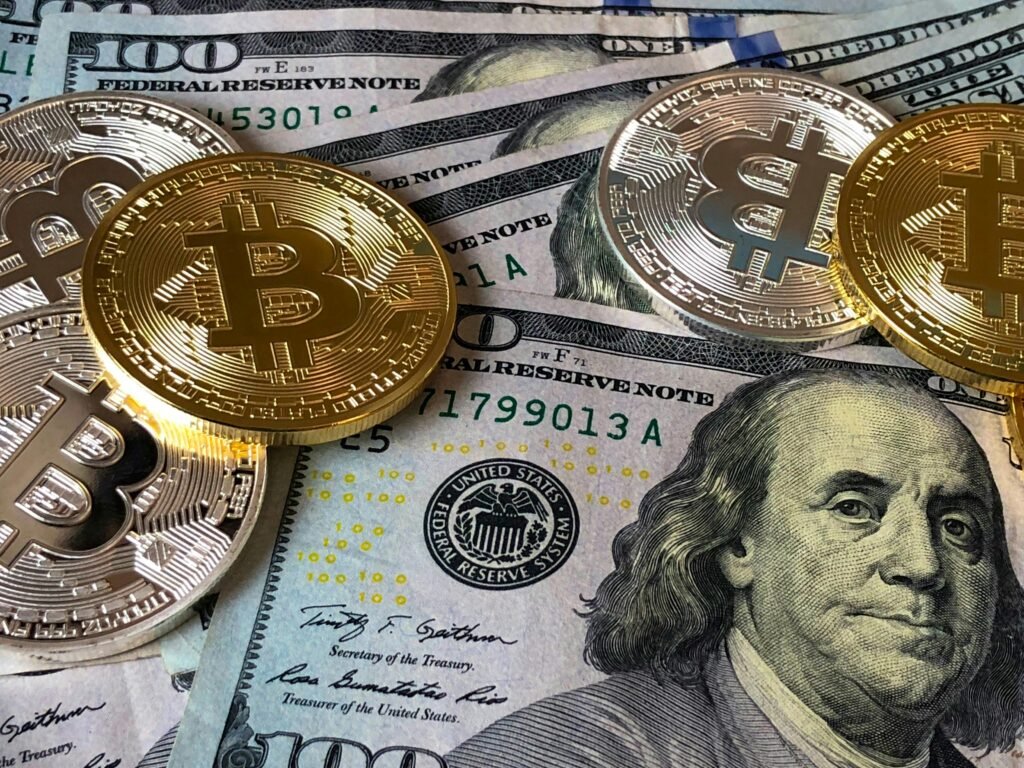
Some investors view Bitcoin and other cryptocurrencies as digital gold—limited in supply and resistant to central bank manipulation. While the jury is still out on whether crypto is truly an inflation hedge, some allocation to this asset class is becoming more common.
However, crypto is extremely volatile and speculative. It should be considered only as a small, diversified component of your portfolio—if aligned with your risk tolerance.
🏗️ Private Real Estate and REITs
Real estate investment trusts (REITs) and private real estate funds provide access to commercial and residential property markets without directly buying real estate. During inflation, rental income tends to rise, benefiting these vehicles.
Consider REITs that focus on:
- Residential housing
- Industrial storage
- Healthcare facilities
- Logistics and data centers
These segments often outperform when demand remains high and leases can be repriced upward.
💡 Behavioral Finance During Inflation
Your behavior as an investor may be the most critical factor during inflationary periods. Fear and reactionary decisions can do more harm than the market itself.
🚨 Avoid Emotional Investing
Panic selling when prices rise or volatility increases often leads to missed opportunities. Likewise, chasing “hot” assets without a plan can result in losses.
Stick to a disciplined strategy. Make decisions based on your financial goals, not headlines or Twitter feeds.
🧘 Practice Long-Term Thinking
Inflation may spike over months or even years—but your investment horizon may span decades. Remember, most historical inflationary periods have been followed by recovery and growth.
Trust in long-term compounding, rebalancing, and diversification. These are the real tools of wealth building—even when inflation clouds the view.
🧰 Strategies for Middle-Income Investors
If you’re not a high-net-worth individual, don’t worry. Many inflation-resistant strategies are accessible and realistic.
🏦 Use Low-Cost Index Funds
Broad market index funds still provide long-term growth potential, even during inflation. They offer exposure to sectors that perform well in rising-price environments—at a low cost.
💳 Avoid Lifestyle Creep
During inflation, your day-to-day expenses may rise subtly. Avoid increasing your spending in proportion to your income. This “lifestyle creep” can erode savings and make it harder to invest consistently.
📚 Educate Yourself
Take time to understand your options. Resources like Best Ways to Defend Your Finances Against Inflation offer practical, digestible strategies to help everyday investors protect their money.
Knowledge reduces anxiety and empowers smarter decisions.

🪙 Dividend Stocks and Inflation Protection
In inflationary periods, dividend-paying stocks offer a powerful combination of income generation and capital appreciation. Companies that consistently increase their dividends tend to be mature, stable, and able to pass rising costs onto consumers.
💵 Dividend Growth vs. High Yield
Not all dividend stocks are created equal. High-yield stocks may look attractive but often come with increased risk or deteriorating fundamentals. Instead, focus on dividend growth stocks—companies that raise their dividends year after year.
These businesses often have:
- Strong cash flow
- Pricing power
- Recession resilience
Sectors to consider include utilities, consumer staples, and healthcare.
🧾 Dividend Reinvestment Strategies
Automatically reinvesting dividends through a DRIP (Dividend Reinvestment Plan) allows you to compound returns without needing to time the market. During inflation, reinvested income becomes an even more critical tool in preserving and growing wealth.
🔐 Bonds Aren’t Dead: Adapting to the Environment
While long-term bonds suffer during inflation, that doesn’t mean all bonds should be abandoned.
📉 Floating Rate Bonds and Inflation-Linked Securities
Floating rate bonds adjust their interest payments based on current interest rates. This makes them a smart choice when rates are rising to combat inflation.
You should also consider Treasury Inflation-Protected Securities (TIPS) if you haven’t already. These government-backed instruments adjust both principal and interest based on the Consumer Price Index (CPI), maintaining your purchasing power.
🧮 Laddering and Short-Term Bonds
A bond ladder—where you stagger maturity dates—gives you flexibility to reinvest as rates rise. This strategy ensures you aren’t locked into low-yield environments for extended periods.
Short-duration bonds also react less severely to interest rate hikes, offering a safer haven compared to long-term debt instruments.
🏘️ Real Assets and Tangible Value
When paper assets feel unstable, real assets—like land, real estate, and commodities—offer direct protection against currency devaluation.
🏡 Real Estate as an Inflation Hedge
Real estate prices often rise with inflation, and rental income can adjust with the market. Investors who own income-generating property, directly or through REITs, may benefit from consistent cash flow and long-term appreciation.
Look for property sectors with low vacancy rates and rising demand, such as:
- Multifamily housing
- Industrial storage
- Medical office buildings
Rental contracts often include inflation clauses, allowing you to raise rents with CPI growth.
🪵 Infrastructure and Farmland
Infrastructure assets (bridges, toll roads, data centers) often have government contracts or long-term revenue models linked to inflation. Similarly, farmland investments provide exposure to rising food prices and global demand.
Though not as easily accessible as REITs, some ETFs or real asset funds offer fractional exposure to these types of inflation-sensitive holdings.
🛠️ Tools to Monitor and Adjust Your Strategy
Investing during inflation is not a one-and-done exercise. You must remain flexible and actively monitor changes in policy, interest rates, and the global economy.
📊 Use Inflation Dashboards
Track key indicators:
- CPI and Core CPI
- Producer Price Index (PPI)
- Interest rate trends (Fed Funds Rate)
- Commodity indices
Many personal finance platforms offer dashboards with inflation-specific metrics, making it easier to make informed, timely adjustments.
📈 Maintain an Investment Journal
Document your allocation decisions, reasoning, and expectations. This builds discipline, reveals patterns in your decision-making, and prevents knee-jerk reactions based on emotion or market noise.
Over time, this journal can serve as your personal investment “playbook” for navigating inflation and beyond.
🧭 Know When to Stay the Course
Ironically, one of the best moves during inflation is often to stick to your long-term plan, with minor tweaks.
🧘 Trust the Power of Compounding
Even during high inflation, consistent investing, rebalancing, and reinvestment will eventually outpace temporary disruptions. Historically, markets recover from inflationary shocks—and those who remain invested often come out ahead.
Sell-offs, panics, and sharp turns in the economy are inevitable. But your ability to stay disciplined, rather than overreacting, is what separates successful investors from short-term speculators.
❤️ Emotional Discipline: Your Greatest Asset
All the strategy in the world means nothing if you abandon it out of fear. Your mindset, habits, and emotional regulation matter just as much as asset allocation.
🧠 Financial Mindfulness
Be aware of your emotions when reading financial headlines, reviewing your portfolio, or hearing panic in the news. Fear leads to impulsive selling, while greed leads to chasing performance.
Practice reflection:
- “Why am I making this change?”
- “What data supports this decision?”
- “Am I reacting or responding?”
This kind of money mindfulness helps you act with purpose, not panic.
🔄 Automation = Protection From Yourself
Automating contributions, reinvestments, and rebalancing removes the emotional burden of decision-making. It keeps you consistent during both calm and chaotic times.
Tools like robo-advisors, automatic transfers, or even reminders to review your goals help reduce the temptation to override your plan.
📝 Final Investment Checklist for High Inflation
Here’s a quick checklist to review your current setup:
- Is your portfolio diversified across sectors and asset classes?
- Are you exposed to real assets like commodities or real estate?
- Do you hold dividend-paying or inflation-linked investments?
- Are your bonds short-term or floating-rate in nature?
- Have you adjusted your cash strategy to protect value?
- Are you making emotional or data-driven decisions?
- Do you have automation or a financial plan in place?
If you can confidently check these boxes, you’re well-positioned to navigate inflation.
✅ FAQ: Investing During High Inflation
What are the best assets to hold during inflation?
Assets that typically perform well during inflation include real estate, commodities, inflation-linked bonds (like TIPS), and dividend-paying stocks. These provide either protection or the ability to grow in line with rising prices.
Is it smart to hold cash during high inflation?
Holding large amounts of cash during inflation is risky, as it rapidly loses purchasing power. It’s smarter to keep only an emergency fund in cash and invest the rest in inflation-resistant assets.
How can I adjust my 401(k) or retirement plan for inflation?
You can rebalance toward sectors and funds that outperform during inflation, such as REITs, energy, or commodity-based funds. Also, ensure your portfolio isn’t too bond-heavy if interest rates are rising.
Are gold and crypto good hedges for inflation?
Gold has a long history as an inflation hedge. Crypto is newer and more volatile, but some view Bitcoin as “digital gold.” Both can play a role in a diversified inflation hedge strategy, but neither should dominate your portfolio.
This content is for informational and educational purposes only. It does not constitute investment advice or a recommendation of any kind.
Stay informed about economic shifts and inflation trends that impact your money:
https://wallstreetnest.com/category/economic-trends-inflation