

📈 Understanding the Inflation–Wage Relationship
Inflation and wages are two powerful forces that shape everyday financial reality. Understanding their relationship is crucial for anyone trying to maintain or improve their standard of living in a shifting economy. The interplay between rising prices and rising pay determines how far your dollar can stretch, how labor markets evolve, and how sustainable long-term economic growth can be.
When inflation surges but wages stagnate, households feel squeezed. Conversely, if wages rise too fast, they can contribute to further inflationary pressure. But the reality is far more nuanced, involving expectations, labor bargaining power, productivity, and central bank policies.
This article explores the many dimensions of the inflation–wage relationship and how they affect not only macroeconomic indicators but also your personal financial health.
💼 Inflation Basics: More Than Just Rising Prices
Before diving into wages, it’s important to clarify what inflation actually means. At its core, inflation is a general increase in prices across an economy over time, resulting in a decline in purchasing power.
📊 Types of Inflation
There are different causes and categories of inflation:
- Demand-pull inflation: Occurs when demand for goods and services outpaces supply.
- Cost-push inflation: Happens when production costs rise (e.g., wages or raw materials), and those costs are passed onto consumers.
- Built-in inflation: Driven by expectations that prices will continue rising, prompting wage and price increases in anticipation.
Each of these can have a different effect on wage negotiations and salary growth.
🧮 Measuring Wage Growth in Real Terms
A key concept to grasp when analyzing inflation and wages is the difference between nominal and real wages.
- Nominal wage: The dollar amount you receive in your paycheck.
- Real wage: Your income adjusted for inflation, which reflects your true purchasing power.
Even if your nominal salary increases by 3%, if inflation is 5%, you’ve experienced a decline in real wages. That’s why real wage growth is a more meaningful indicator of financial well-being.
🔁 The Feedback Loop: Inflation and Wage Growth
One of the most important macroeconomic dynamics is the wage-price spiral. This occurs when rising wages increase consumer demand, which drives prices up further. In turn, workers demand even higher wages to keep up with inflation, perpetuating the cycle.
However, this spiral doesn’t always happen. In many economies, wage growth has lagged behind inflation due to globalization, weakened labor unions, and the gig economy. In these environments, employers have more power than employees, which restrains wage increases—even as prices rise.
📉 When Wages Don’t Keep Up: Economic and Social Implications
Stagnant or falling real wages have profound impacts on consumer behavior, debt levels, and long-term prosperity. Households may cut spending, delay big purchases, or rely more heavily on credit to bridge the gap.
This scenario is exactly what’s happening in many American households today. According to Do Rising Prices Beat Wage Growth? Americans at a Crossroads, even though wages have increased nominally, they haven’t kept pace with the soaring costs of rent, groceries, energy, and healthcare. This leads to a perceived erosion of economic mobility and fuels political and financial anxiety.
📉 The Role of Productivity in Wage Dynamics
Wage growth is often tied to productivity gains. In theory, as workers become more efficient and produce more output per hour, they should receive higher compensation. But in recent decades, wage growth has failed to match productivity increases.
🛠️ Causes of the Productivity–Wage Gap
- Technological advancement: Automation boosts output but can replace labor.
- Offshoring: Jobs moved overseas reduce domestic bargaining power.
- Decline in unionization: Workers have less leverage to negotiate higher wages.
- Shareholder capitalism: Firms prioritize stock returns over wage increases.
As a result, even in periods of low inflation and high productivity, wages may stagnate, creating disconnection between macroeconomic growth and individual financial outcomes.
🏛️ Government and Central Bank Responses
Governments and central banks play a critical role in balancing inflation and wage growth. The Federal Reserve, for instance, may raise interest rates to cool inflation—even if it risks slowing wage increases or increasing unemployment.
🏦 Tools the Fed Uses
- Interest rates: Raising them curbs spending and borrowing, reducing inflation.
- Open market operations: Buying or selling government bonds to control money supply.
- Forward guidance: Influencing expectations through public statements.
These tools impact both employers’ ability to raise wages and consumers’ ability to afford goods and services.
👥 Labor Market Tightness and Its Influence
A “tight” labor market—where jobs outnumber job seekers—gives workers more power to demand raises. Employers must offer competitive wages to attract and retain talent, pushing up nominal wages.
🔍 Signs of a Tight Labor Market
- Low unemployment rates
- High job openings
- Increased job switching
- Rising quit rates
During tight labor conditions, wage inflation often follows. However, if inflation is rising even faster, real wage growth may still remain flat or negative.
💳 Industries Affected Differently
Wage increases due to inflation are not uniform across all sectors. Some industries respond quickly to inflationary pressure, while others lag behind.
🏗️ Sectors That Adjust Quickly
- Technology: High competition for talent leads to quick salary adjustments.
- Logistics and warehousing: Demand surge during inflationary periods can lead to wage spikes.
- Energy: Boom periods often result in temporary windfalls for workers.
🧑🏫 Sectors That Lag
- Education: Often publicly funded, with slow budget adjustments.
- Healthcare: Despite high demand, many positions have fixed compensation.
- Public sector: Government jobs may not respond swiftly to inflation metrics.
These differences widen the gap in income mobility and shape workforce migration trends across the economy.
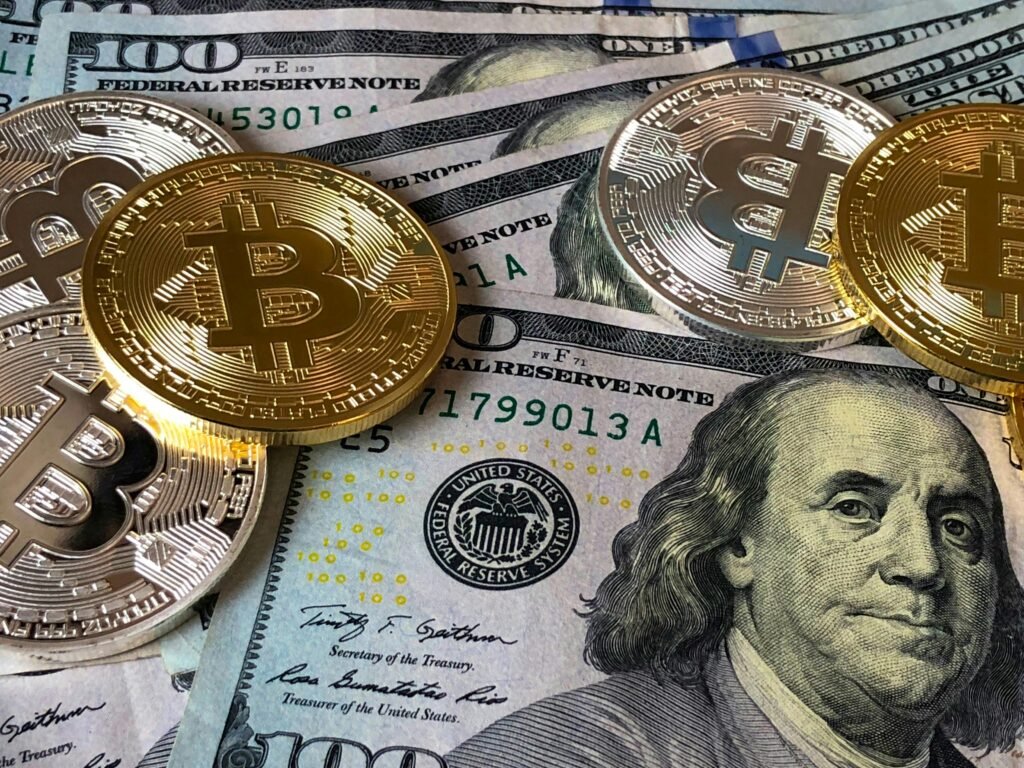
💵 How Wage Increases Can Feed Inflation
When wages rise significantly, businesses often pass those costs onto consumers in the form of higher prices. This dynamic can accelerate a cycle of inflation—especially in sectors with limited competition or price elasticity.
🏗️ Cost-Push Inflation in the Labor Market
Labor shortages, minimum wage hikes, or union negotiations can trigger wage growth across sectors. In turn, businesses face increased labor expenses and adjust product or service pricing. This is a typical cost-push inflation scenario.
🔁 The Role of Wage-Price Expectations
When employers expect wages to rise, they may preemptively raise prices to maintain profit margins. Meanwhile, workers expecting higher costs of living negotiate harder for bigger salaries—creating a self-reinforcing wage-price feedback loop.
📉 When Wages Outpace Productivity
If nominal wage growth outpaces productivity, companies’ profit margins shrink unless they raise prices. This can lead to:
- Reduced hiring or layoffs
- Automation to cut costs
- Higher final prices for consumers
This imbalance is often unsustainable in the long run, leading to either recession or slower wage growth as businesses adjust.
🌐 Inflation, Wages, and Global Supply Chains
In today’s global economy, companies may outsource production to control labor costs. This impacts the domestic wage-inflation relationship significantly.
📦 Offshoring as a A Wage Dampener
By shifting labor-intensive production to lower-wage countries, businesses can contain costs, reducing pressure to raise domestic wages. While this helps control inflation, it also suppresses wage growth at home.
🎯 Import Price Shocks and Inflation
Global supply chain disruptions—like shipping delays or commodity shortages—can raise input costs. These increased costs may either squeeze profit margins or be passed onto consumers, depending on the company’s pricing power.
If firms shift costs to consumers, wage-earners lose purchasing power—tying wages to global pricing dynamics in unpredictable ways.
🧱 Policy Levers That Impact Both Wages and Inflation
Policymakers influence this relationship through a variety of tools—from wage laws to monetary intervention.
🏛️ Minimum Wage Increases
While raising the minimum wage can reduce income inequality and improve living standards, it can also contribute to higher prices in service-heavy industries like hospitality and retail.
📉 Tax Policy and Subsidies
Targeted tax credits or subsidies (e.g. earned income tax credit, childcare support) can increase net wages without directly pressuring businesses to raise pay—and without triggering inflation.
📈 Monetary Tightening
As mentioned in Part 1, central banks like the Federal Reserve raise interest rates to curb inflation—and tighter financial conditions can slow both price growth and wage acceleration.
📕 Collective Bargaining and Wage Negotiation Dynamics
Union strength and labor market regulations significantly impact inflation-wage interactions.
🧑🤝🧑 Unionized Sectors and Wage Demands
Highly unionized industries (e.g. manufacturing, public sector, utilities) often secure stronger nominal wage increases. These can raise the cost for employers—which can translate into price hikes for consumers.
🤝 Pay Transparency and Negotiation Leverage
When workers have access to comprehensive salary data, they can negotiate raises more effectively. Transparent pay scales can support both fair wage growth and market efficiency—minimizing sudden inflation surges tied to unexpected labor costs.
💡 Intermediate Wage Growth: A Balanced Approach
The ideal scenario is measured wage growth that keeps pace with inflation and productivity, without triggering undue pricing pressure.
🎯 Targeting Real Wage Increases
Even a modest real wage increase (e.g. 1–2%) can preserve purchasing power without feeding aggressive inflation. Employers and policymakers aim to balance wage gains with productivity improvements and cost control.
🧠 Anchoring Expectations
Clear communication by governments and businesses helps anchor inflation expectations. If businesses and workers expect moderate inflation, they are less likely to engage in rapid wage-price cycles.
🏭 Industry Case Study: Energy vs. Technology
Looking at specific sectors helps illustrate how wages and inflation interrelate differently across the economy.
🌐 Energy Sector
During energy price surges, wage pressure rises in related fields (e.g. oil and gas workers). These wage increases, combined with high input costs, often push overall prices further upward in energy markets.
💻 Tech Sector
In contrast, tech companies may raise wages due to talent competition, but productivity gains can offset inflation—allowing them to grow wages without triggering price hikes.
These divergent patterns show that inflation-wage dynamics are highly context-dependent.
🔍 The Psychological Aspect: Worker Expectations and Behavior
Worker expectations about inflation directly influence wage negotiations. If employees strongly expect price increases, they’re more likely to demand bigger raises—even before actual costs rise.
📈 Income Smoothing vs. Reactionary Demands
Some workers seek to “get ahead” of expected inflation through early wage demands. This can create pay pressures even in the absence of immediate price shifts.
🧘 Employer Response: Moderate and Sustainable Raises
Employers aiming to manage costs while maintaining morale may offer gradual, productivity-linked wage increases, rather than large, inflation-driven raises.
📋 Bullet List: Intervention Strategies to Align Wages and Inflation
- Productivity-linked wage growth programs
- Regional wage indexing tied to local CPI
- Company wage transparency policies
- Revisiting minimum wage in balance with market data
- Wage caps combined with income subsidies
- Collective bargaining tied to measured inflation metrics
These strategies help align wages, inflation, and sustainable economic growth.
🌍 Wage Growth’s Role in Economic Recovery
During downturns, wage growth drives consumer demand and boosts spending, which can facilitate recovery—especially if inflation is moderate.
📈 Strengthening Demand
As wages rise, especially for lower- and middle-income earners, spending increases—which supports job creation and boosts GDP.
🔁 Avoiding Wage-Price Spirals
The recovery is healthiest if wage growth is balanced and productivity-backed, avoiding rapid inflation acceleration while stimulating demand.
🧭 When Wage Gains Pressure Monetary Policy
Rapid wage growth can sometimes force central banks to raise rates faster than expected—to prevent inflation from spiraling out of control.
📉 The Fed’s Tightrope
If wages rise too quickly, the Fed may hike rates, which can cool wage growth and slow hiring—aimed at containing inflation but risking higher unemployment.
Advance planning and transparent communication help align wage expectations with policy goals—smoothing transitions during economic shifts.
📡 Communication Matters: Expectation Management in Practice
Government, labor groups, and businesses all influence inflation and wage dynamics through messaging about wage increases and inflation forecasts.
🌐 Firm-Level Policy Guides
Companies that clearly articulate wage policies tied to CPI or performance provide clarity and reduce inflation-linked anxiety.
📰 Media Framing and Public Sentiment
Media coverage of inflation, strikes, or wage policy can shift public expectations, which then feedback into wage demands—creating a cycle that affects actual inflation outcomes.
💡 For deeper insight into how prices rise under different inflation theories, explore Why Prices Rise: Demand‑Pull and Cost‑Push Inflation.

🧮 Data-Driven Analysis: Tracking Wage and Inflation Trends
Understanding the relationship between wages and inflation requires solid data interpretation. Policymakers, economists, and businesses alike depend on indicators like the Consumer Price Index (CPI), Employment Cost Index (ECI), and real wage growth to gauge economic health.
📊 CPI vs. Real Wage Growth
When CPI rises faster than nominal wages, purchasing power declines. This means workers can afford less even if they’re technically earning more. By contrast, real wage increases—adjusted for inflation—represent true gains in income and well-being.
📈 Employment Cost Index (ECI)
The ECI tracks changes in wages and benefits for civilian workers. It’s especially valuable for assessing compensation trends that might outpace inflation and potentially contribute to further price increases.
🧰 Tools to Protect Real Wages From Inflation
Companies and governments can implement mechanisms to help ensure that wage gains translate into sustained purchasing power.
🧾 Indexed Contracts
Some labor contracts, especially in unionized sectors, include cost-of-living adjustments (COLAs) that automatically increase wages when inflation rises. This can help workers keep pace with rising prices but can also entrench inflation expectations.
💳 Wage Subsidies and Tax Credits
Wage supplements—like earned income tax credits or childcare subsidies—help workers maintain real income without forcing businesses to raise base wages significantly. These tools support both affordability and economic stability.
💬 Generational Perspectives on Wage Growth and Inflation
Different age cohorts experience inflation and wage dynamics in distinct ways, shaped by life stage, career development, and financial responsibilities.
👶 Younger Workers
Early-career employees often face stagnant wages, limited bargaining power, and higher vulnerability to inflation due to limited savings. This generation may struggle more with achieving milestones like homeownership or family planning.
🧑🦳 Older Workers
Those nearing retirement are more sensitive to inflation eroding fixed incomes. However, they may have stronger wage histories and more stable benefits, offering some protection from short-term economic volatility.
🏘️ The Impact of Housing Costs on Wage Inflation Interaction
Housing is a critical component of inflation metrics and directly impacts how far wages can go. In high-cost-of-living areas, even moderate inflation can overwhelm wage growth, forcing households to reprioritize spending.
🏡 Rent Inflation Pressures
In cities with housing shortages, rising rents often outpace wage gains. This disproportionately affects low- and middle-income earners, whose disposable income shrinks even if their pay increases nominally.
🏦 Mortgage Rates and Labor Mobility
When inflation prompts higher interest rates, mortgages become more expensive. This reduces homebuying power and can lock workers into certain locations, limiting labor mobility and wage negotiation leverage.
🔄 Inflation and Wage Dynamics in Recessionary vs. Expansionary Periods
The inflation-wage connection behaves differently depending on the economic cycle.
📉 Recessionary Periods
During recessions, wage growth typically slows or stagnates due to weakened labor demand. In such periods, inflation may also decline—though stagflation (low growth + high inflation) complicates the picture.
📈 Expansionary Periods
In strong economic periods, wages rise faster as employers compete for talent. However, if inflation climbs in parallel, real wage gains may be neutralized. Balancing expansion with price stability becomes key.
📡 Government Communication and Public Confidence
Public understanding of wage-inflation dynamics is shaped by how transparently leaders communicate economic realities.
🧭 Transparency in Forecasting
Central banks and government agencies that clearly communicate inflation expectations, interest rate decisions, and wage outlooks can help anchor public sentiment. Predictable policy can moderate both wage demands and price-setting behavior.
📢 Framing Wage Growth as Investment
Governments that frame fair wage increases as investments in long-term productivity and economic health often garner broader support—mitigating fears of runaway inflation.
🧠 Behavioral Economics: The Psychology Behind Wage Demands
How people feel about prices and paychecks often drives behavior more than cold data. Perceived inflation—even if inaccurate—can fuel wage pressures and spending decisions.
📦 Anchoring and Recency Bias
Workers may overreact to recent price spikes (e.g., gas or groceries), leading to stronger wage demands. Employers might respond conservatively, fearing long-term cost escalation.
💬 Salience of Price Changes
Highly visible price increases (e.g., food, fuel) disproportionately influence how workers perceive inflation, even if broader measures are more moderate.
🧱 Summary Table: Inflation and Wage Relationships by Sector
| Sector | Wage Growth Sensitivity | Inflation Feedback Risk | Notes |
|---|---|---|---|
| Technology | High (Talent-driven) | Low (High productivity) | Wages may rise without spiking prices |
| Healthcare | Medium | High | Labor shortages can boost both wages + costs |
| Hospitality | High | High | Low-margin industry, prices react quickly |
| Manufacturing | Medium | Medium | Varies by automation + input costs |
| Public Sector | Low to Medium | Low | Budget-driven wage growth |
🔄 Wage Growth and Inflation Must Evolve Together
Ultimately, sustainable economic health requires coordinated growth in wages and prices—anchored in productivity, transparency, and fairness.
Balanced wage growth supports household demand, enables social mobility, and reflects human capital investment. Inflation containment ensures macroeconomic stability and long-term growth. One without the other leads to imbalance and strain.
✅ Final Thoughts
The relationship between inflation and wages is neither linear nor consistent—it is a dynamic dance between economic forces, policy decisions, and human expectations. While inflation can erode purchasing power, strategic wage growth can protect it. But unchecked, the same wage growth can contribute to inflation.
What matters most is how we align these forces: ensuring that wages rise sustainably, policies remain transparent, and workers retain real income in the face of rising costs.
Understanding this relationship empowers individuals to negotiate better pay, advocate for sound policy, and make financial decisions rooted in long-term awareness—not just short-term reaction. In a time of uncertainty, clarity around inflation and wages is a form of economic strength.
🤔 Frequently Asked Questions (FAQ)
How does inflation affect real wages?
Inflation reduces the purchasing power of nominal wages. If your salary increases by 3% but inflation rises by 5%, your real income effectively declines by 2%. Real wage growth occurs only when wage increases exceed inflation.
Can higher wages cause inflation?
Yes, especially if wage growth outpaces productivity. When businesses raise wages but can’t improve efficiency, they may increase prices to protect profit margins—contributing to cost-push inflation.
Do central banks consider wage growth when adjusting interest rates?
Absolutely. Central banks monitor wage trends to determine whether inflation pressures are building. Rapid wage growth may prompt rate hikes to cool the economy and stabilize prices.
Why do some sectors have faster wage growth than others?
Sectors like technology or healthcare may experience faster wage growth due to talent shortages or specialized skills. Others, like retail or public service, often have slower wage increases due to budget constraints or lower margins.
This content is for informational and educational purposes only. It does not constitute investment advice or a recommendation of any kind.
Stay informed about economic shifts and inflation trends that impact your money:
https://wallstreetnest.com/category/economic-trends-inflation