
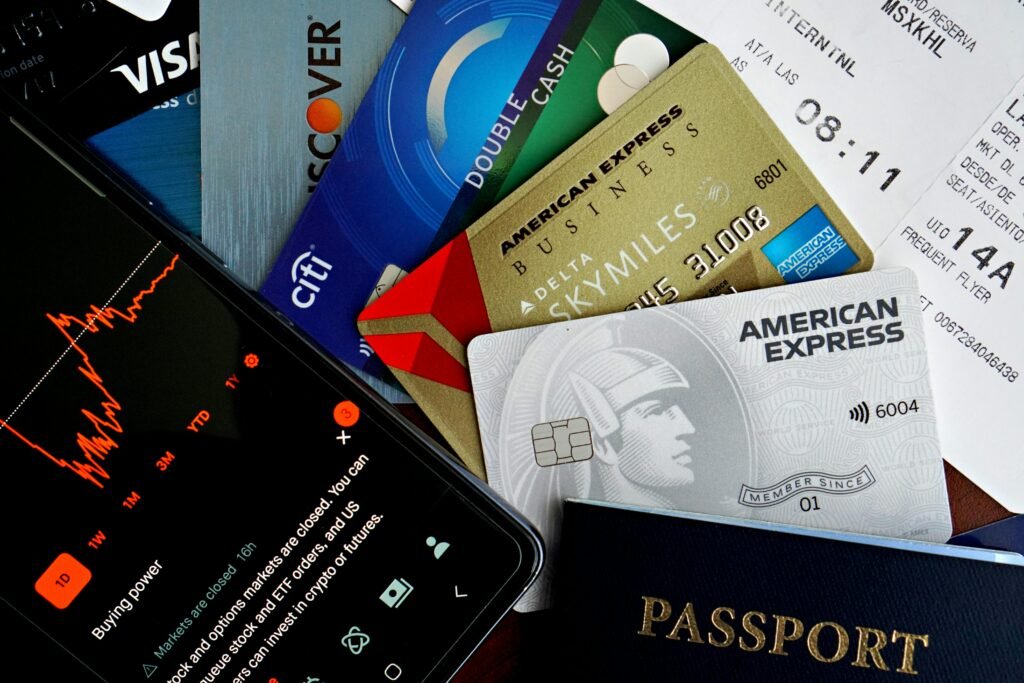
💳 Rewards Cards: Maximize Points Without Overspending
Maximizing credit card rewards is a smart way to earn value from your everyday spending—but it becomes a trap when chasing points leads to debt or poor financial decisions. The key to using rewards cards effectively lies in striking the right balance between intentional use and disciplined restraint. In an economy where every dollar counts, optimizing your card strategy can unlock real benefits—if done wisely.
Credit card companies are skilled at marketing glamorous travel perks, cashback offers, and premium experiences. However, these benefits are only truly valuable when they don’t come at the expense of your financial well-being. Overspending to chase points is like buying a $500 couch just because it’s on “sale” for $300—you’re still out $300 for something you might not have needed.
🎯 Start With the Right Rewards Card for Your Lifestyle
Not all credit cards are created equal. Choosing the right rewards card depends entirely on your unique spending patterns, goals, and lifestyle. Someone who travels frequently may benefit more from a travel card with airline miles, while someone with a long commute might prefer a card that rewards gas and groceries.
Start by reviewing your monthly expenses. Where does your money actually go? Once you identify your top categories, look for a card that offers the highest rewards in those areas. Avoid cards that require high minimum spends for bonuses unless those expenses are already part of your natural budget.
📈 Understand Points Value: Not All Rewards Are Equal
One of the most misunderstood aspects of rewards programs is the actual value of the points or miles earned. Some cards offer inflated point totals but low redemption rates. For example, a card might give you 5,000 points for $1,000 in purchases, but if those points are only worth $0.005 each, you’re essentially earning $25—not quite the windfall you expected.
🔎 How to Calculate Point Value
To determine if a rewards program is worth your time, divide the monetary value of the reward by the number of points required. If it takes 25,000 points to get a $250 flight, each point is worth $0.01. Compare that value across your card options to make informed decisions.
Also pay attention to redemption flexibility. Some programs only allow limited redemption categories, while others offer points transfers to airline or hotel partners—often increasing their value.
💡 Use Cards as a Tool, Not a Crutch
It’s easy to fall into the mindset of using your rewards card for everything under the assumption you’re “earning” on each purchase. But the danger lies in justifying purchases you wouldn’t have made otherwise. Spending $200 on an impulse buy to earn 1% cashback means you’re still spending $198 more than necessary.
Instead, use your card like a debit card: only charge what you can pay off in full each month. This avoids interest charges, keeps your credit score strong, and ensures the rewards truly work in your favor.
📆 Automate Payments to Avoid Interest
Even one month of carrying a balance can erase months of rewards benefits. Set up automatic payments for the full statement balance each month to avoid falling into a debt cycle. This habit protects both your wallet and your peace of mind.
🛍️ Don’t Let Sign-Up Bonuses Control You
Sign-up bonuses are often the biggest attraction when opening a new rewards card. While they can offer high-value rewards, they typically require spending thresholds like “$4,000 in 3 months.” For some, this is achievable through normal expenses like rent, groceries, or utilities—but for others, it becomes a trigger for unnecessary purchases.
Evaluate whether meeting the spending requirement aligns with your actual budget. Never force spending just to hit a bonus—it undermines the entire purpose of financial optimization.
⚠️ Pitfalls of “Churn and Burn” Tactics
Credit card churning—frequently opening and closing cards for the bonuses—can hurt your credit score and complicate your financial profile. Lenders may view multiple short-term accounts as risky behavior. Limit new card applications and space them out to maintain a healthy credit history.
📊 Track Rewards and Expiration Dates
Many people forget that points and miles can expire. If you’re not tracking your earnings and redemptions, you may lose rewards you’ve already earned. Use tools like spreadsheets, budgeting apps, or the card issuer’s dashboard to monitor your rewards timeline.
📅 Set Reminders for Expiring Points
Set calendar alerts or push notifications to remind you when points are about to expire. Even small redemptions—like gift cards or statement credits—are better than letting your rewards go unused.
🧠 Build Financial Awareness to Maximize Value
To make the most of rewards without falling into overspending habits, you need a strong foundation of financial awareness. Knowing your income, expenses, goals, and emotional triggers allows you to engage with rewards cards confidently and strategically.
As highlighted in this guide on financial empowerment, building clarity and control over your finances enables better decision-making in every aspect of money management—including credit card usage.
🔒 Use Spending Categories to Your Advantage
Many cards rotate or customize bonus categories. By aligning your biggest expenses with those bonus categories—without increasing your total spend—you amplify your reward earnings without changing your lifestyle. For example, if your card offers 5% back on groceries this quarter, plan larger shopping trips during that time.
🔁 Loyalty vs. Optimization: Know When to Switch
Staying loyal to one card or issuer can feel simpler, but it’s not always the most rewarding strategy. As your lifestyle evolves, your credit card needs may change. Review your cards at least once a year to ensure they still align with your spending and goals.
That said, frequent switching just for slightly better rates may not be worth the hassle. Focus on optimization that fits your life—not just the highest reward percentage.
🧘 Rewards Should Support Your Financial Peace
The best rewards strategy is one that adds value without adding stress. If tracking points, juggling cards, or chasing bonuses begins to feel overwhelming, simplify. The goal is to enhance your lifestyle, not complicate it.

🧩 Behavioral Traps That Undermine Rewards Strategies
Even the best credit card strategy can be derailed by behavioral biases. Overspending often stems not from ignorance but from deeply ingrained triggers—fear of missing out, social comparison, or temporary emotional highs. Recognizing these patterns is essential for maximizing points without unintentionally increasing your spending.
Behavioral finance research shows that impulse spending is frequently a response to emotional cues rather than real need. When combined with the lure of bonus points, this dynamic can lead well-intentioned cardholders into debt or misaligned purchases.
🧠 Anchoring Bias, FOMO & Emotional Urges
Anchoring bias makes the original price—often crossed out—look like a clear win, even when the “discounted” price is inflated. Likewise, FOMO can push you to make purchases just to feel part of a trend, even if you don’t actually need the item.
One effective method to counteract these behaviors is the 24-hour rule: pause before the checkout button. Mental distance helps you evaluate whether the purchase aligns with your long‑term goals—not just the short‑term thrill.
📋 Track Spending With Precision
If you don’t know where your money goes, you can’t optimize rewards strategy. Powerful categorization—groceries, travel, dining out, utilities—helps you match spending to the right card. Many issuers allow you to activate rotating bonus categories, so planning ahead increases effectiveness.
🗓️ Use a Simple Tracking Table
| Category | Monthly Spend | Card Used | Rewards Earned |
|---|---|---|---|
| Groceries | $600 | Chase Freedom | 5% → $30 |
| Travel | $400 | Chase Sapphire Reserve | 3x → $12 |
| Dining | $300 | Amex Gold | 4x → $12 |
Using a table like this helps you visualize how rewards stack up across categories—and avoid unnecessary card juggling.
🔁 Optimize Rotating Bonus Periods
Many cards offer categories that change quarterly or annually. Activate each period early, and shift high-volume purchases into those windows without increasing your overall spending.
📅 Calendar Sync Strategy
Schedule your major grocery run or household supply shopping right after bonus categories are activated. That way you naturally align spending, avoiding impulse buys or excess just to hit the bonus threshold.
🌱 Control Lifestyle Creep as Income Grows
As your income rises, spending often creeps up too—luxury brands, frequent dining out, bigger homes. This lifestyle inflation erodes the benefit of rewards unless intentionally managed.
According to the classic findings in The Millionaire Next Door, many high-income individuals spend more rather than save, becoming under‑accumulators of wealth (UAWs) despite their financial potential :contentReference[oaicite:1]{index=1}. Tracking your net worth—not just income—is critical to staying aligned.
📈 Net Worth > Income Mindset
Instead of celebrating income milestones with bigger spending, create proportional increases in savings, investments, or point-reserved luxuries. Reinforce that financial empowerment means using income intentionally—not automatically raising spending levels.
🛠️ Combine Rewards With Self-Control Tools
Tools like budget categories, self-enforced spending limits, and dedicated savings buffers help ensure that using rewards doesn’t tempt you into overspending. Think of your cards as tools to enhance—not replace—your discipline.
💰 Use Buffer Accounts or “Spend Pots”
Create a separate checking sub-account or virtual wallet solely for rewards‑eligible purchases. Funding that account with your regular budgeted dollars enforces limits while still letting you reap points.
📘 Reinforce Financial Awareness & Intentionality
Developing awareness around your emotional triggers and financial habits isn’t theoretical—it’s practical. Platforms like budgeting apps, mental pause rituals, and regular reviews reinforce your control over spending. As detailed in this guide on building a financial life with intention, cultivating clarity empowers every money decision.
🧭 Monthly Review Rituals
At the end of each month, audit your reward points earned, redemption history, and emotional spending triggers. Reflect on what worked, what tempted you, and how to adjust for next month. These small rituals compound over time into stronger financial resilience.
🔍 Know When to Close or Switch Cards
Just as you shouldn’t switch cards too frequently, you also shouldn’t stay loyal to one once it no longer serves you. Periodic evaluation ensures your card lineup still matches your evolving spending and lifestyle.
If a card no longer offers meaningful value—or if bonus categories become irrelevant—it may be time to switch. But do so thoughtfully: account age, credit limits, and card issuer relationships all impact your credit score. Use closure sparingly.
⚖️ Evaluate Cost vs. Benefit Annually
On a yearly basis, compare the sum of your annual fees, benefits, and reward earnings. You can switch to lower cost or more relevant cards—but not at the expense of accumulating credit history or simplicity.
🎯 Avoid Overspending by Assigning Purpose to Rewards
Rewards should align with life-enhancing purchases—not impulse buys. Maybe your “points fund” is reserved for travel, or a unique experience, or a financial milestone you’ve earned. Clear intention prevents dilution into random extras.
🌟 Assign Rewards to Meaningful Goals
If you’re saving for a luxury vacation, funnel your earned points into airfare, hotel stays, or travel experiences. Reserving them for something intentional makes redemption more satisfying—and spending more mindful.
🏆 Discipline Over Drama: Winning the Rewards Game Long-Term
The credit card rewards game is often portrayed as a race to collect the most miles, points, or cashback. But in truth, long-term success is not about collecting—it’s about curating. Choosing the right purchases, managing your emotional reactions, and ensuring alignment with your financial goals makes every point more valuable.
Without strategy and boundaries, rewards cards become a revolving door of debt, clutter, and confusion. With intention and clarity, they become a practical tool for creating experiences, savings, and confidence.
📈 Progress Over Perfection
There’s no perfect credit card user. Life shifts, spending varies, and even the best-laid budgets need adjustment. What matters is consistency, reflection, and making decisions rooted in awareness instead of impulse. Don’t let one month of poor spending derail your strategy—use it as data to refine your system.
🔐 Avoid the “I Deserve It” Justification Trap
Rewards programs often prey on the feeling that after a stressful week or major milestone, you deserve a splurge. While treating yourself can be empowering, spending outside your budget in the name of emotional relief can sabotage your goals and compound stress.
Instead, reframe “I deserve it” to mean “I deserve peace, confidence, and long-term freedom.” That mindset makes it easier to skip the spontaneous luxury purchase and opt for something that truly aligns with your values.
🧘 Mindful Spending Rituals
Pause before large transactions. Reflect on whether the purchase supports your goals. Practice gratitude before checking out. These simple rituals help reinforce emotional regulation and values-based decisions, making the rewards you earn feel even more satisfying.
🛫 When to Redeem: Timing Your Rewards Wisely
Accumulating points is only half the equation—knowing when and how to redeem them matters just as much. Many people hoard rewards and never use them, while others burn through them on low-value redemptions.
Track redemption windows, expiration dates, and promotional periods. Some cards offer bonus redemption value during certain times of year or through select travel partners. Take advantage of these moments when they genuinely support your lifestyle, not just because the calendar says so.
🎯 Match Redemption With Life Goals
If you’re planning a special occasion—like an anniversary trip or milestone birthday—consider aligning your redemption strategy months in advance. This creates a sense of delayed gratification and intentional payoff that enhances the overall reward.
🏦 Use Rewards to Reinforce Financial Habits
Instead of using points purely for indulgence, consider directing some rewards toward reinforcing your long-term financial behavior. Many cards allow statement credits, investment account deposits, or gift cards that support your broader financial ecosystem.
As suggested in this article on healthy money conversations, aligning spending and saving habits with your emotional well-being creates deeper trust—not only with others, but within yourself.
📚 Reward Yourself With Purpose
Let points fund books, courses, or tools that support personal growth. Or use cashback to fund a savings challenge. When rewards contribute to your self-improvement, they multiply in value far beyond their monetary worth.
🔄 Reassess and Realign Regularly
Your lifestyle, priorities, and finances evolve over time. So should your rewards strategy. Reassessing every six months ensures that your card lineup still serves your current needs. Maybe your focus has shifted from travel to home improvement, or from dining out to child-related expenses.
Adapting your strategy ensures continued optimization, prevents fatigue, and keeps your system efficient. Financial tools are only as powerful as the intention behind them.
📆 Biannual Strategy Check-In
- Review all card usage and earned rewards
- Cancel or downgrade unused or unprofitable cards
- Reevaluate spending categories and habits
- Consider if new cards would better serve your goals
These actions keep your financial toolkit clean, powerful, and stress-free.
❤️ Conclusion
Maximizing credit card points isn’t about gaming the system—it’s about using the system to support your life. When rewards align with values, goals, and disciplined behavior, they become tools of empowerment, not temptation. The key lies in awareness, strategy, and emotional clarity.
Whether you’re earning miles for a dream vacation, cashback to supplement savings, or points for once-in-a-lifetime experiences, remember this: the best rewards are the ones that bring freedom—not friction. Spending with intention ensures every reward earned is a step closer to a life designed on purpose, not pressure.
❓ FAQ
Q: What’s the best type of rewards card for beginners?
A cashback card with no annual fee is usually ideal for beginners. It offers simple rewards without complexity, helping users build responsible habits and earn benefits from everyday purchases.
Q: Can I still earn rewards if I pay off my balance every month?
Yes—paying off your balance in full is the best strategy. You avoid interest charges and still earn full rewards, maximizing benefits without financial risk or added cost.
Q: How do I stop overspending just to earn points?
Create a monthly budget and stick to it. Only use your card for planned purchases. Treat the card like a debit card, and avoid emotional or impulsive swipes. This keeps your spending intentional and controlled.
Q: Do unused rewards points expire?
Yes, many programs have expiration policies. Check your issuer’s terms and set calendar reminders to redeem points before they expire. Even small redemptions are better than losing earned value.
This content is for informational and educational purposes only. It does not constitute investment advice or a recommendation of any kind.
Learn to manage wealth with discipline while enjoying luxury by design here: