
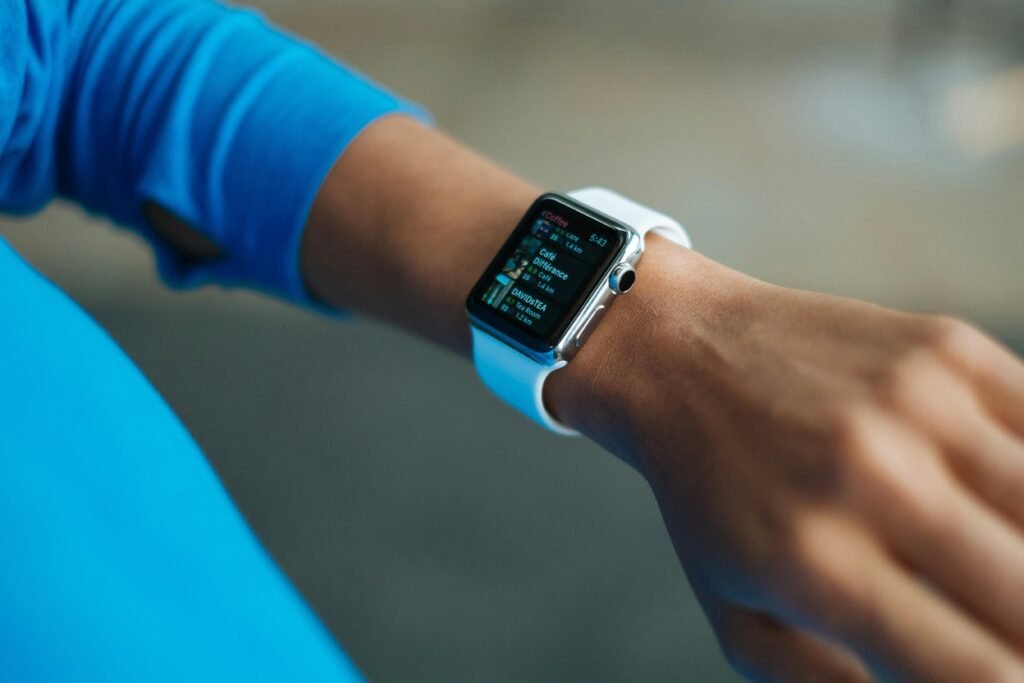
⌚ Smartwatch Collecting: Asset or Just Expensive Tech?
Smartwatch collecting has quickly evolved from a niche hobby into a luxury lifestyle trend. From limited-edition collaborations to high-end tech with resale potential, more consumers are viewing wearable tech as both a personal statement and a financial consideration. But is collecting smartwatches a form of appreciating asset strategy—or just another clever way to justify luxury spending?
Unlike traditional timepieces, smartwatches come with rapid innovation cycles, software updates, and planned obsolescence. Yet, some rare models or discontinued editions are now selling at premium prices on secondary markets. This tension raises the key question: when does tech collecting cross over from lifestyle inflation into value-driven investment?
💸 Understanding the Financial Psychology Behind Collecting
Most collectors don’t start with the goal of investing. The process begins with emotional connection, brand loyalty, or a sense of identity. Whether it’s the latest Apple Watch Ultra, a Garmin MARQ, or a TAG Heuer Connected, the appeal is often more emotional than financial.
Yet financial behavior experts agree: the line between lifestyle spending and asset building is blurred when items hold real market demand. The trick lies in awareness—knowing when a purchase supports your values versus when it’s simply an impulse masked as “reward.” This distinction is especially relevant in the luxury tech category, where the price tags rival entry-level investments.
🧠 The Role of Scarcity and Limited Editions
One of the key elements driving the smartwatch resale market is scarcity. When a brand like Hublot or Montblanc releases a smartwatch in limited numbers, exclusivity drives desirability. But limited doesn’t always mean valuable. Many “collector’s editions” lose value once hype fades or technical features become outdated.
🔍 How to Evaluate Rarity That Actually Holds Value
To distinguish real appreciation potential, consider factors like brand prestige, production quantity, celebrity association, and feature uniqueness. Smartwatches that were the “first” of something—first titanium body, first solar-powered, first dual OS—may become historical pieces in a fast-moving category.
Research resale platforms and historical auction results. If resale values consistently rise or hold steady for certain models over time, it’s a signal that the watch may carry value beyond personal use.
📊 Depreciation vs. Appreciation in Wearable Tech
Most smartwatches depreciate the moment they’re unboxed. Like smartphones and laptops, their value is tethered to functionality. As new models are released, older ones lose both software support and buyer interest.
However, a subset of watches becomes more desirable after being discontinued, especially if they were released in low volumes or have strong brand stories. Think of the original Pebble watch, which now commands surprising prices due to its cult status among early tech adopters.
💡 Depreciation Doesn’t Always Mean Loss
Some collectors willingly accept depreciation in exchange for the lifestyle benefits of the device—fitness tracking, productivity, style. If a smartwatch enhances daily life and is used consistently, the “cost per wear” may justify the purchase, even if resale value drops. The key is aligning utility with affordability and intention.
🏷️ Are You Buying Status or Strategy?
In luxury circles, smartwatches often straddle the line between utility and status symbol. It’s not just about heart-rate monitoring—it’s about what it signals. A Louis Vuitton Tambour Horizon speaks differently than a Casio G-Squad, regardless of features.
This is where lifestyle inflation creeps in. The desire to match a peer group or reflect a certain image can lead to repeated high-ticket purchases that don’t contribute to long-term financial health. As discussed in this analysis of lifestyle inflation, unchecked luxury spending disguised as self-expression often erodes wealth silently over time.
🧭 Align Your Purchases With Financial Identity
Before buying your next smartwatch, ask: Is this supporting my lifestyle or defining it? Am I purchasing for function, passion, or perception? These questions help reframe the decision and reveal whether the watch serves your personal identity—or someone else’s expectations.
📦 Box, Papers, and Original Packaging: Why They Matter
In the watch collector world, the phrase “box and papers” carries serious weight. The same applies to high-end smartwatches. Keeping the original packaging, documentation, charging accessories, and warranty cards can significantly boost resale value.
Mint-condition wearables with full original kits are more likely to command attention from serious buyers, especially on collector platforms. If investment is even a minor motivation, treat your purchase with long-term preservation in mind from day one.
🔐 Storing and Maintaining Digital Collectibles
Unlike mechanical watches, smartwatches require software updates and battery care. Store them in climate-controlled conditions, keep them charged periodically, and avoid scratches or cosmetic damage. A well-maintained smartwatch is more likely to hold interest over time, especially as functionality becomes a collector’s novelty.
⚖️ Tracking Resale Value Like a Real Investment
To truly consider smartwatch collecting as an asset class, you must track value like you would with stocks or property. Create a spreadsheet listing each model you own, its original purchase price, current market value, and estimated appreciation or depreciation rate.
📈 Sample Watch Collection Tracker
| Model | Purchase Price | Current Value | Change |
|---|---|---|---|
| TAG Heuer Connected x Porsche | $2,750 | $2,900 | +5.4% |
| Apple Watch Hermès Series 7 | $1,300 | $950 | -26.9% |
| Garmin MARQ Athlete Gen 1 | $1,500 | $1,100 | -26.6% |
This method offers insight into which models might retain value and which purchases are best viewed as lifestyle enhancements rather than investments.
🌐 Online Communities and Marketplace Dynamics
Collector forums, subreddits, and private marketplaces can be valuable sources of real-time pricing data and trend signals. These spaces often identify emerging brands, hidden gems, and underpriced models before they hit mainstream resale platforms.
However, beware of hype cycles. Just because a model is trending doesn’t mean it will appreciate. Pay attention to how long models stay listed, whether sellers accept offers, and whether resale prices are driven by emotion or fundamentals.
👥 Engage With Experienced Collectors
Experienced collectors often share transparent reviews, pricing history, and tips for evaluating value. Building relationships in these communities not only sharpens your knowledge—it also positions you to buy and sell more strategically over time.
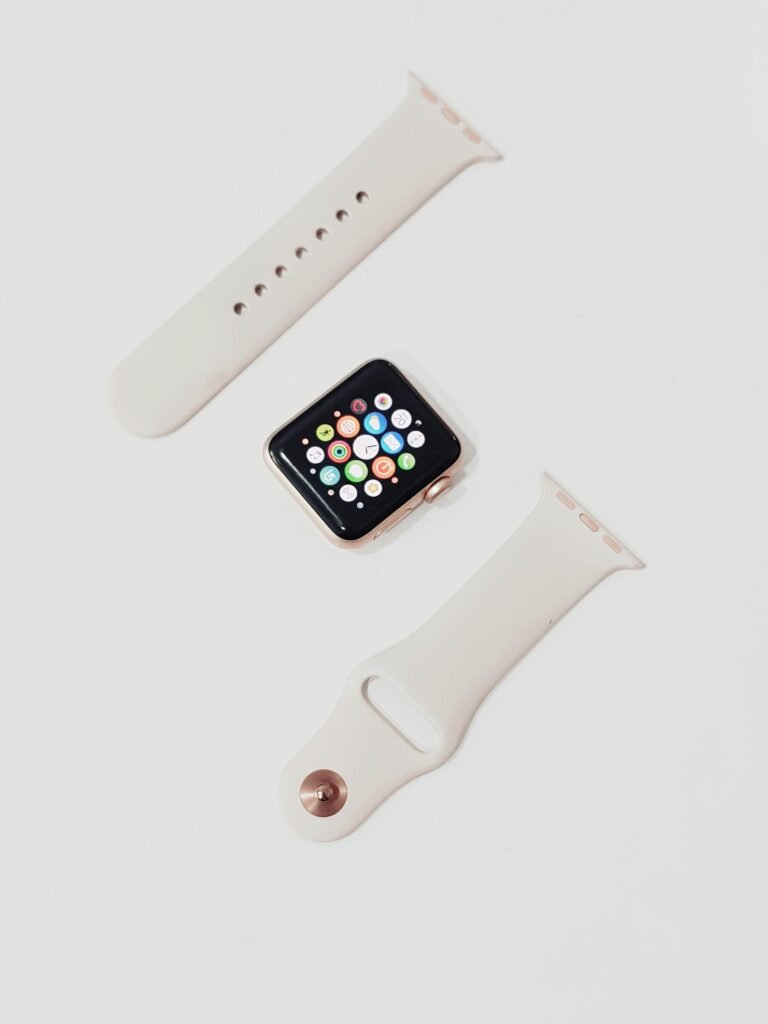
🧠 Balancing Emotion and Rationality in Smartwatch Acquisition
Collecting smartwatches often begins with passion, aesthetics, or brand loyalty. But turning that passion into a portfolio of appreciating assets requires a shift from emotion‑driven purchases to value‑oriented decisions. Without discipline, emotional impulse becomes lifestyle inflation and eats away at financial goals.
Seasoned collectors often talk about the emotional high of unboxing a limited-edition wearable. However, those emotional purchases may hold sentiment—but often lose resale value as new models launch. The challenge is filtering desire through rational evaluation markers before committing funds.
🔍 Asking the Right Questions Before Buying
Before acquiring a new smartwatch, consider whether it’s rare, functional over time, and backed by strong resale demand. Also ask: Is this enhancing daily use, or just filling a collector’s ego? An unplanned impulse buy—especially at a high price point—can easily turn into depreciation disguised as desire.
Over time, buyers who use checklist-based decision criteria are the ones who build collections that hold value. Without it, even limited editions can become outdated liabilities.
📉 Understanding the Lifecycle of Smartwatch Models
Unlike mechanical watches, smartwatches evolve rapidly. Just a year after launch, firmware updates stop arriving, ecosystems shift, and the resale demand diminishes. Collectors should think in terms of lifecycle: launch, peak demand, decline, and residual collector interest.
🗓️ Positioning Purchases Along the Technology Curve
If a model is already two generations old at release, depreciation may hit quickly. On the other hand, early editions with original software or pioneering hardware may retain value longer—especially if they go out of production before newer models overshadow them entirely.
🌐 Brand Reputation and Secondary Market Depth
Brands with strong reputations and established collector followings tend to have deeper secondary markets. Apple Watch Hermès, Garmin MARQ editions, or luxury collaborations like TAG Heuer Connected often trade in resale circles. In contrast, smaller or novelty brands frequently suffer from low demand once novelty fades.
Tracking resale activity can offer insight: models frequently listed and sold suggest strong market health. Listing that sit stagnant or drop in price indicate risk. These are tell-tale signs of demand imbalance—not appreciation potential.
💱 Use Resale Platforms as Value Indicators
Monitor platforms like Chrono24, eBay, WatchRecon, or private forums. Watch week‑to‑week price changes and stock turnover. If listings regularly sell quickly at or above retail, it’s a positive signal. If inventory piles up unsold, reconsider your assumptions.
💬 Collaboration vs. Personal Use: What Drives Your Collection?
Some collectors focus on rare collaborations—limited‑run editions created with artists, sports teams, or luxury brands. While these collaborations may offer flair, they don’t always guarantee investment returns. Understanding whether you’re collecting for identity—or for potential gain—is essential.
Using a smartwatch as a personal tool—fitness, health tracking, notifications—may justify cost even if the model loses value. But buying for collaboration aesthetic alone often ends in multiple unused pieces that only depreciate over time.
🧭 Defining Your Collector Persona
Are you a functional collector who values utility first? Or a curator of limited editions and brand collaborations? Understanding your personal “collector persona” guides smarter acquisitions and reduces emotional overspend.
🤝 Making Big Purchase Decisions Together
For couples or partnerships sharing finances, acquiring luxury wearables like high‑end smartwatches can create tension—especially when motivations differ. As noted in this guide on planning big purchases together without causing conflict, clear criteria and shared rules help navigate value-based decisions smoothly.
👫 Shared Criteria for Collective Collection
Define what constitutes a meaningful addition: price cap, functional utility, resale value expectation, and emotional alignment. Agree in advance—both parties less likely to regret a high-ticket buy when values and expectations are aligned. Money isn’t just transactional, it’s relational.
📦 Preservation: Protecting Value Over Time
Even with high resale demand, condition matters deeply. Original packaging, straps, chargers, and unmarked surfaces elevate listing value. Scratched screens or missing boxes reduce resale offers significantly.
🔐 Practical Care Tips for Wearables
- Avoid ultra-exposure to heat or moisture.
- Charge periodically to prevent battery failure.
- Store in padded cases with silica silica packets to control humidity.
- Preserve original packaging, manuals, tags, and receipts.
Every detail added increases credibility with buyers and supports your potential for resale—even years later.
📶 Software Support and Security Shelf Life
Smartwatches rely on regular software updates for performance, features, and security. Models that lose support early become obsolete—not just in value, but in usability. Before buying, check the manufacturer’s update policy and typical support lifespan.
📱 Upgrade Iff It Adds Substantial Value
If a new model offers a meaningful feature—ECG, solar charging, dual-band GPS—upgrade may be justified. But avoid upgrading purely because it’s new. Let real utility—not hype—guide your purchases.
💰 Opportunity Cost: What Else Could You Do With the Funds?
Purchasing multiple smartwatches ties up capital that could be used in investments, savings, or experiences. Even if a watch holds or gains value, its return is often slower than market alternatives. Weigh what else the money could achieve.
📉 Considering Alternative Uses for Collection Budget
| Use Case | Example | Projected Return |
|---|---|---|
| Stock Investment | S&P 500 index fund | ~7 % annual |
| Travel Experience | Luxury retreat | Memorable personal value |
| Education or Self‑Improvement | Online career course | Increased income potential |
This comparison helps frame your watch purchases as part of a broader financial strategy—not as isolated luxury impulses.
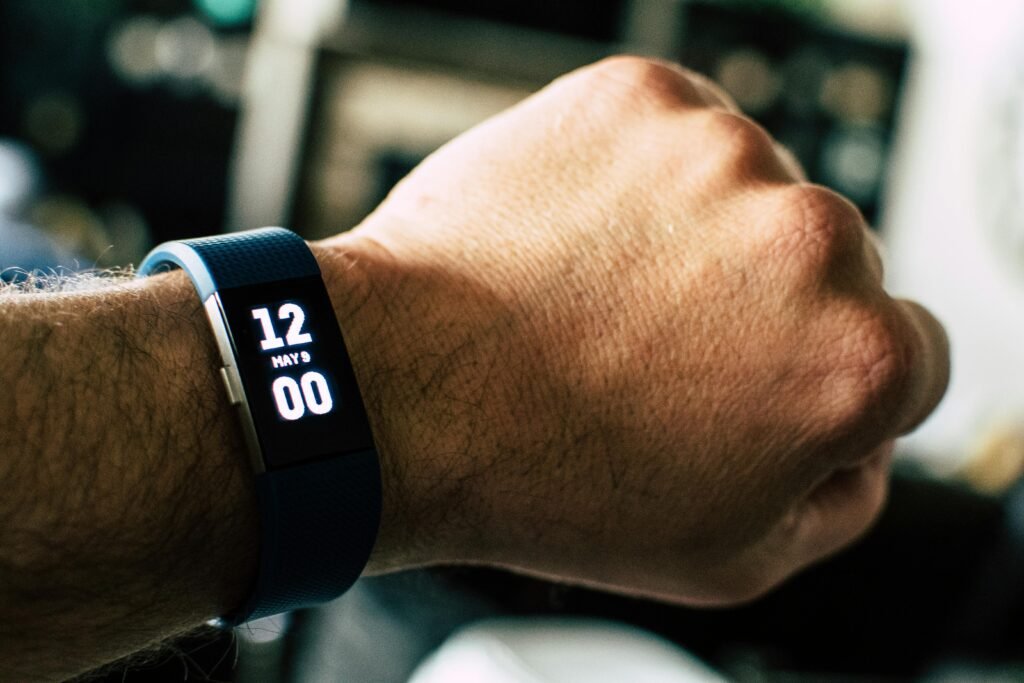
📈 Are Smartwatches a True Alternative Investment?
With the surge of interest in alternative assets—from sneakers to NFTs—smartwatches are entering the conversation. Yet, unlike gold or traditional art, they remain a hybrid: part functional gadget, part fashion statement. The challenge is measuring return, not just in dollars, but in lasting value and usage.
Alternative investments typically show low correlation with traditional markets and can hedge volatility. But smartwatches, being tech-centric and fast-evolving, carry unique risks. They often blend consumption with speculation—making clear strategy essential if you’re hoping for appreciation.
🔍 Traits That Strengthen Investment Potential
- Backed by strong, reputable luxury or tech brand
- Produced in low volume with limited re-releases
- Associated with cultural milestones or figures
- Maintained in pristine condition with full packaging
Meeting these traits doesn’t guarantee a future profit, but increases the odds of price retention or growth.
🏛️ The Role of Sentiment in Valuation
Markets are driven by logic—but also by sentiment. Collector value is heavily influenced by cultural nostalgia, rarity hype, and brand storytelling. A smartwatch tied to a historic sporting event, design trend, or tech innovation may generate interest far beyond its function.
But sentiment is fickle. What’s desirable this year might be forgotten the next. Unlike real estate or equities, smartwatches rarely produce income—so their value is entirely resale-based. Sentiment fuels demand, but can never replace fundamentals.
📦 Tracking Emotional vs. Financial ROI
Some watches may deliver joy every day, justifying cost even with depreciation. Others may sit in a box, waiting for value that never materializes. Audit both emotional and financial return to know which models truly “earned” their place in your collection.
🧘 Emotional Minimalism vs. Maximalist Collecting
Not every collector wants 20 watches. Some prefer one or two high-impact pieces that serve both identity and function. Emotional minimalism emphasizes meaning and clarity—owning less but loving more.
Others find joy in rotation, seasonal wear, or niche collections. Maximalism isn’t inherently wasteful—but it requires structure, discipline, and constant review to ensure the collection doesn’t become financial clutter.
🔁 Collection Rotation Rituals
- Reassess inventory every 6–12 months
- Sell or gift underused pieces
- Use proceeds to upgrade or diversify
- Track emotional satisfaction per watch
These rituals keep your collection meaningful and financially conscious—ensuring joy doesn’t turn into excess.
🏁 Redefining Luxury Through Intention
Luxury is no longer just about price or rarity—it’s about intention. A smartwatch that helps you sleep better, perform better, or feel connected might hold more real-world value than one that simply impresses strangers. Value lies in how it serves you, not just what it costs.
When collecting smartwatches, the wisest decision is often personal alignment. Are you buying to enhance your life—or to prove something externally? Are you building a portfolio—or accumulating for the sake of more? Clarity here transforms every purchase from expense to empowerment.
🌟 Appreciation Isn’t Just About Price
If a watch gives you confidence, helps you focus, or brings joy—it has already appreciated in value emotionally. That’s not an excuse to spend recklessly, but a reminder that value comes in many forms. Emotional ROI is still real, as long as it’s conscious and supported by financial structure.
❤️ Conclusion
Smartwatch collecting sits at the intersection of passion, technology, lifestyle, and finance. Whether it becomes an appreciating asset or a costly indulgence depends on your approach. The most valuable collections aren’t the largest—but the most intentional, disciplined, and meaningful.
Financial clarity transforms every purchase from potential regret into personal empowerment. And when function, style, and strategy align, even a smartwatch can evolve from expense into legacy. The smartest watch in your collection is the one that reflects your best values—not just your best taste.
❓ FAQ
Q: Do smartwatches really appreciate in value?
Only select models—often limited editions from luxury brands—have shown appreciation over time. Most smartwatches depreciate like other tech. Appreciation depends on rarity, condition, and demand.
Q: What makes a smartwatch collectible?
Limited production runs, brand prestige, original packaging, and cultural relevance increase a smartwatch’s collectibility. Function alone doesn’t make a watch collectible—its story does.
Q: How can I avoid overspending on my collection?
Set annual limits, track purchases, and review your collection quarterly. Only buy when a piece adds long-term value—either emotionally or financially. Avoid impulse purchases based on hype.
Q: Is it better to wear my smartwatches or preserve them?
If the goal is investment, preserving condition is critical. If the goal is lifestyle value, use them intentionally. The choice depends on whether your primary ROI is emotional satisfaction or future resale.
This content is for informational and educational purposes only. It does not constitute investment advice or a recommendation of any kind.
Learn to manage wealth with discipline while enjoying luxury by design here