
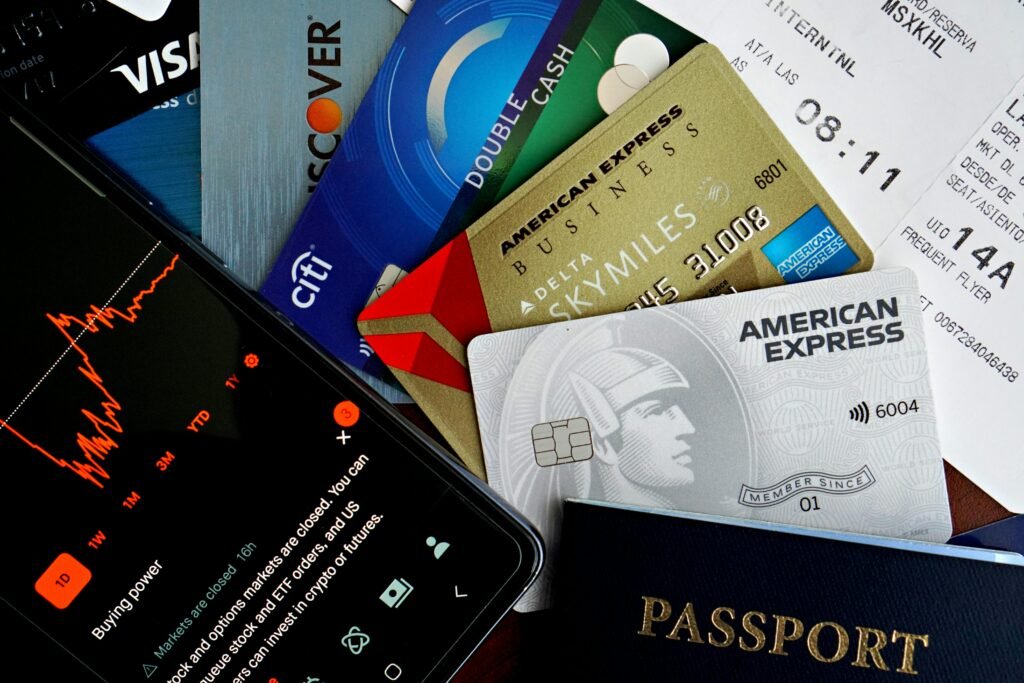
💼 Luxury Living and the Hidden Risks to Your Credit
Protecting your credit while maintaining a luxury lifestyle may seem like a balancing act—but it’s one that’s not only possible, but essential. Credit is the foundation of long-term financial access and freedom, whether you’re financing a dream property, leasing a high-end vehicle, or planning future investments. Without a strong credit profile, the luxury lifestyle can quickly become unsustainable, dependent on short-term spending rather than long-term security.
Luxury doesn’t just mean high-ticket purchases; it also means financial confidence. A perfect credit score isn’t about having unlimited spending power—it’s about managing that power wisely. The challenge lies in navigating high-limit credit cards, exclusive financing offers, and multiple accounts without falling into traps that weaken your credit standing.
🔍 Understanding the Key Components of a Strong Credit Profile
Before diving into how to protect your credit, it’s important to understand what actually makes up your credit score. The five core components are:
- Payment history (35%): Are you paying bills on time?
- Credit utilization (30%): How much of your available credit are you using?
- Length of credit history (15%): How long have your accounts been open?
- Credit mix (10%): Do you have a variety of credit types (cards, loans, etc.)?
- New credit inquiries (10%): Are you opening multiple new accounts in a short period?
For luxury consumers, credit utilization is often the most overlooked danger. Even if you pay your balance in full, carrying high balances throughout the month can lower your score significantly. This is why timing your payments and managing spending ceilings are key.
📉 High Limits, Higher Stakes: Managing Credit Utilization
Luxury credit cards often come with high spending limits and enticing rewards, which can make it easy to justify large purchases. But even with a $50,000 limit, using more than 30% can negatively impact your score—even if you never miss a payment.
As detailed in this guide to credit utilization, keeping your usage below 10% of your limit is ideal. This shows lenders that you can handle access to money without becoming dependent on it, preserving your credit score while maintaining your lifestyle.
📆 Pay Twice a Month to Stay Below Thresholds
One powerful tactic is making multiple payments per billing cycle. Instead of waiting for your statement to close, pay down large charges mid-month. This keeps reported balances low and utilization percentages healthy, even during months of higher spending.
🛍️ The Illusion of “Affordability” in Luxury Purchases
In a luxury context, it’s easy to mistake credit for cash. You may be able to charge a $7,000 handbag or $15,000 vacation to your card, but that doesn’t mean you should. The illusion of affordability creates a psychological detachment between spending and cost, which can snowball into overextension.
When indulgences become normalized, it’s tempting to push credit limits further. But relying too heavily on borrowed funds—even temporarily—puts your credit at risk. Discipline and timing are crucial to maintaining your status without eroding your financial future.
🧠 Create a “Luxury Buffer” in Your Budget
Designate a portion of your monthly cash flow specifically for luxury spending—separate from fixed expenses and emergency savings. This buffer ensures your indulgences are funded intentionally and don’t disrupt your credit usage or financial stability.
📲 Automate to Protect Your Score
Even the wealthiest individuals can suffer credit score drops due to forgotten payments. With multiple accounts, subscriptions, and billing dates, it’s easy to overlook a due date. One late payment can haunt your credit report for up to seven years.
Automation is your strongest defense. Set up auto-pay for the minimum payment on all credit cards. Then, schedule manual payments for full balances before your statement closes. This structure prevents errors, ensures consistency, and protects your reputation with lenders.
🛡️ Create a Payment Calendar Across Cards
Use a digital or physical calendar to track billing cycles and due dates. Include reminders to review statements for accuracy, dispute unauthorized charges, and monitor any creeping subscriptions or fees. Credit protection requires proactive attention—not just passive payments.
🏦 Diversify Your Credit, But With Strategy
A diversified credit profile—combining revolving accounts like credit cards with installment loans—can improve your score. However, don’t open new lines just for appearances. Every hard inquiry and new account shortens your average age of credit, potentially reducing your score in the short term.
Apply for new accounts when they support a long-term goal, not when a sales clerk dangles a 10% discount. Whether it’s a luxury vehicle lease, business line of credit, or elite travel card, make sure the new account fits a broader financial plan.
📈 Monitor Credit Mix Without Overcomplicating
If you already have multiple open accounts, focus on maintaining excellent payment history and low utilization. Adding more accounts for the sake of variety can backfire unless truly needed. Remember: quality over quantity builds better credit strength.
🔍 Monitor Credit Regularly With Premium Tools
Staying on top of your credit profile is essential to preventing fraud, tracking improvement, and understanding how your luxury lifestyle affects your score. Use premium monitoring services that provide real-time alerts, full reports, and identity theft protection.
Luxury living often comes with a larger digital footprint, increasing exposure to data breaches and phishing schemes. Monitoring is no longer optional—it’s a modern necessity for safeguarding your financial credibility.
🔒 Identity Protection as a Luxury Necessity
Invest in services that not only monitor credit reports, but also scan the dark web, secure passwords, and provide insurance coverage in case of theft. Peace of mind is a luxury in itself—and one worth paying for in a digital world.

🧠 Emotional Biases That Threaten Luxury Credit Health
Living in luxury often comes with emotional triggers: a reward mindset, affirmation through status, or the feeling of deserving indulgence. While these can feel empowering momentarily, they can damage your credit score when unchecked—especially if they encourage escalating card usage without proper control.
Emotional splurges often lead to higher balances carried into statement cycles, increasing credit utilization and risking missed payments. Combining luxury habits with emotional spending without safeguards can drive a wedge between your lifestyle and your financial control.
🎭 The “Deserve a Treat” Psychological Trap
The notion of “I worked hard, so I deserve this” often justifies oversized charges. One evening of emotional buying—like a designer item or a high-end experience—can push reported balances beyond ideal limits.
Instead of spending immediately after a stressful moment, build rituals around rewards. Reflect on long-term goals: Are you investing in joy or masking emotional fatigue? This shift maintains connection to your values while preserving your financial health.
📊 Track Credit Behavior With Simple Tools
Understanding how your spending impacts your credit profile requires consistent monitoring and categorization. Build an overview of monthly credit behavior trends—payment timing, balances, utilization peaks, and recurring charges—to make conscious decisions.
📋 Sample Credit Monitoring Table
| Item | Monthly Spend | Reported Balance | Utilization % |
|---|---|---|---|
| Luxury Goods | $2,000 | $1,500 | 15% |
| Travel | $3,500 | $3,000 | 30% |
| Dining & Events | $1,000 | $800 | 8% |
This simple table helps you visualize spikes and opportunities to shift payments or alter timing to protect your score.
🔁 Schedule Strategic Payment Timing
Multiple payments per billing cycle help reduce reported utilization rates, especially during high-spend months. Pay mid-cycle after major charges to prevent high balances during statement reporting.
📅 Mid-Month vs. Statement-Close Payment Strategy
Set reminders to pay half of your expected use before statement closing and the rest before the due date. This dual approach keeps your utilization in check while avoiding late fees.
🛡️ Link Usage to Budget Intentions
Connect each luxury purchase explicitly to a financial bucket—travel fund, rewards redemption, gifting, etc. When your spending is tethered to an established budget, it prevents runaway credit use and keeps emotional urges grounded.
📌 Use “Spend Buckets” for Clarity
Create physical or digital envelopes for different purposes. Funds allocated to luxury experiences should be separate from discretionary or essentials. If the category bucket is empty, delay the purchase.
🔍 Use Credit Utilization Guides as Reference
Reinforce your strategy with trusted resources that explain credit utilization in detail. For example, this guide on how utilization affects your credit score provides actionable steps and real-world examples:
How Credit Utilization Affects Your Credit Score
📘 Practice With Realistic Simulations
Before major purchases, simulate them on your spreadsheet or app. Does adding $5,000 in luxury charges push utilization above 30%? If so, delay or restructure payments. Visualizing outcomes helps you pause before overspending.
🧘 Build Resilient Financial Habits Around Luxury
The true luxury lifestyle isn’t reckless—it’s composed, intentional, and emotionally grounded. The way you protect your credit can become a source of pride rather than restriction. Every swipe you control reinforces your financial identity.
📖 Monthly Reflection Rituals
At every month’s end, review your credit statements—not just transaction lists. Note any emotional purchases, peak utilization days, or subscription creep. Reflect: where did indulgence serve joy, and where did it breach discipline?

📈 Leverage Credit for Long-Term Luxury Goals
True financial luxury isn’t about appearances—it’s about access, options, and stability. Protecting your credit allows you to leverage future opportunities: financing a second property, launching a business, or traveling with perks and upgrades. High credit scores reduce the cost of borrowing, unlock elite financial products, and provide unmatched peace of mind.
Using your credit to open doors—rather than accumulate clutter—requires conscious stewardship. Every card swipe, statement review, and redemption decision builds a pattern. The stronger and more intentional that pattern is, the more your lifestyle flourishes without risk.
🔓 When to Use Credit as a Strategic Tool
Use credit strategically when it adds value—not just when it’s convenient. A 0% intro APR offer might be useful for planned large purchases, but only if the payoff is guaranteed. A rewards card can fund an experience, but only if it aligns with your values and goals.
🧠 Mindful Upgrades: Avoid “Lifestyle Inflation” via Credit
As income grows, there’s a natural pull toward upgrading everything—home, wardrobe, vacations. This desire is normal, but when upgrades are funded through credit alone, it can create artificial financial elevation. You feel wealthier, but your liabilities grow faster than your assets.
Instead, use credit to complement what you’ve already earned. Let the card extend your experience—not define it. Cash-flowing luxury upgrades when possible allows you to enjoy rewards without dependence or pressure.
📊 Budget First, Swipe Second
Before putting a major expense on a luxury card, map out how it fits your budget. Will you need to carry a balance? Is this a planned splurge or an emotional response? Asking these questions upfront keeps your credit aligned with your values—not your impulses.
📱 Use Alerts and Apps to Reinforce Control
Digital tools now make it easier than ever to protect your credit in real time. Set up alerts for large purchases, balance thresholds, and approaching due dates. Use budgeting apps that track utilization across cards and provide credit score updates monthly.
Technology supports emotional clarity. The fewer surprises in your financial life, the more empowered your choices become.
📧 Alert Settings That Support Credit Wellness
- Balance exceeds 25% of limit
- New charges over $500
- Payment due within 5 days
- Unusual activity or foreign charges
These digital safeguards act like a financial nervous system—quietly protecting your lifestyle and reputation.
👫 Protecting Credit in Shared Finances
If you share expenses with a partner, spouse, or family member, credit becomes a joint responsibility. Misaligned habits, forgotten charges, or missed payments can harm both individuals’ scores—even if only one is listed on the account.
Discuss credit limits, payment responsibility, and boundaries upfront. Shared luxury experiences should feel expansive—not stressful. Transparency strengthens trust and helps you protect each other’s financial standing.
💬 Use Open Dialogue to Avoid Credit Conflicts
Have regular conversations around shared cards, goals, and spending limits. As discussed in this guide on money conversations, openness reduces misunderstandings and allows both parties to participate in protecting financial wellness.
🔐 Guard Against Identity Theft in High-Spend Profiles
Those who live in high-income, luxury-spending circles are often targeted for identity theft. High-limit cards and multiple accounts present more opportunity for fraud. That’s why proactive protection is vital.
Freeze unused credit files, monitor all three bureaus, and avoid logging into financial platforms on public Wi-Fi. Use strong passwords and enable two-factor authentication on every account. These steps defend your credit from invisible threats.
🔎 Red Flags to Watch For
- Unexpected credit inquiries
- Unfamiliar accounts or balances
- Missing statements or mail
- Changes in score without reason
Act quickly on any anomalies—fraud caught early is far easier to resolve than when it spirals.
❤️ Conclusion
Living a luxury lifestyle doesn’t have to come at the expense of your credit health. In fact, true luxury is defined by freedom—not by debt, dependency, or financial anxiety. Protecting your credit while enjoying what you’ve earned is not just possible—it’s powerful.
By staying mindful, building rituals, automating wisely, and communicating openly, you create a system that honors both your lifestyle and your long-term well-being. When your credit and your luxury life are in harmony, you gain the rarest luxury of all: peace of mind with purpose.
❓ FAQ
Q: How can I keep my credit utilization low if I spend a lot?
Pay your balances multiple times throughout the month, especially before your statement closing date. This ensures reported balances remain low even with high total spending.
Q: Does having many luxury cards hurt my score?
Not necessarily. If managed well, multiple cards can help by increasing total credit limit and lowering utilization. However, avoid opening too many in a short span, which can signal risk.
Q: What’s the safest way to use rewards without hurting my credit?
Use rewards cards only for budgeted expenses you can pay off in full. Avoid chasing points through unplanned purchases. Stick to intentional use and track redemption activity.
Q: How do I protect my credit in a relationship?
Communicate openly, agree on shared spending rules, and regularly check joint accounts. Discuss credit goals and monitor activity together to avoid surprises or conflicts.
This content is for informational and educational purposes only. It does not constitute investment advice or a recommendation of any kind.
Learn to manage wealth with discipline while enjoying luxury by design here: