
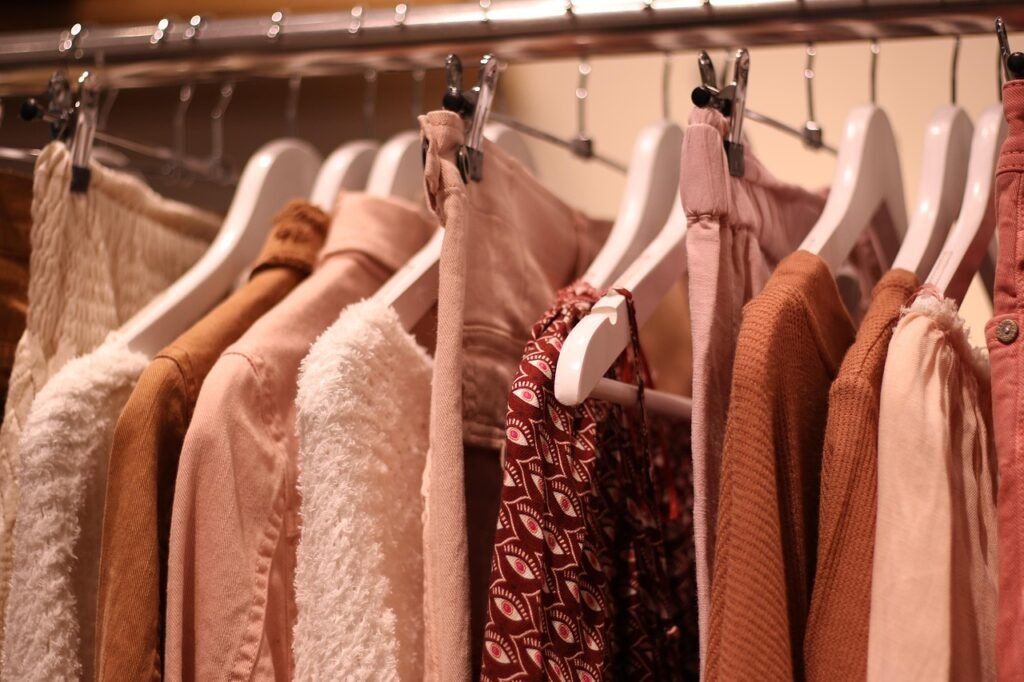
👕 The Rise of Secondhand Fashion Among College Students
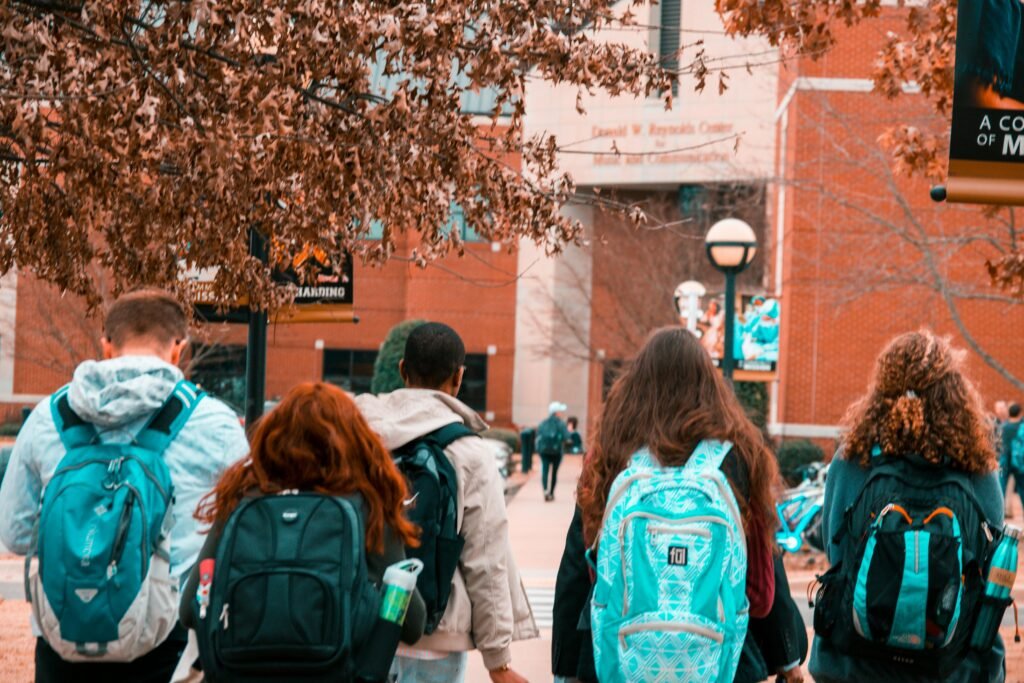
Secondhand fashion is no longer just about saving money—it’s a lifestyle movement. Among college students across the United States, thrifting and buying pre-loved clothes have become both financially smart and culturally relevant. It’s a shift driven by tight budgets, sustainability concerns, and the desire for unique self-expression. In a world dominated by fast fashion and rising costs, students are redefining style through the lens of practicality and creativity.
With the right secondhand sources, students can dress well, feel confident, and protect their wallets—without sacrificing quality or ethics. From local thrift shops to curated online platforms, the variety of affordable options has never been greater. But to get the most out of it, it helps to know where and how to shop strategically.
💸 Why Secondhand Makes Financial Sense for Students
College life comes with a long list of expenses—tuition, housing, food, supplies, transportation—and clothing often gets pushed down the list. Yet, students still want to feel good in what they wear. That’s where secondhand fashion offers a win-win. It’s stylish, sustainable, and significantly cheaper than retail.
Most thrifted items cost 50% to 90% less than new equivalents. You can build a full wardrobe for the price of one designer piece, without compromising on trend or quality. And since trends often cycle back, thrift shops become gold mines for vintage styles that are suddenly back in fashion.
🌱 Sustainability as a Driving Force
The environmental cost of fast fashion has pushed many students to rethink their shopping habits. Producing one new cotton T-shirt requires over 700 gallons of water, and many garments end up in landfills within a year. Secondhand shopping reduces waste, conserves resources, and supports a circular economy that aligns with values of many socially conscious students.
Unlike traditional retail, where overproduction leads to clearance racks and waste, secondhand fashion repurposes what already exists. Choosing pre-owned clothing is one of the simplest ways to lower your carbon footprint—without sacrificing personal style.
♻️ Ethical Expression Through Clothing
Buying secondhand allows students to express themselves while staying aligned with their values. Whether it’s reducing fashion waste or avoiding brands with questionable labor practices, thrifted clothes tell a story that’s unique and intentional. In this way, fashion becomes less about following trends and more about curating identity.
🏪 Local Thrift Shops and Campus-Based Options
Some of the best finds come from brick-and-mortar thrift shops and on-campus exchange programs. Goodwill, Salvation Army, and local nonprofits often have student discounts and hidden gems if you’re willing to dig. Campus closets or swap events—organized by student unions or sustainability clubs—let you trade clothes for free or buy gently used items at symbolic prices.
📍 How to Find the Best Local Spots
- Use Google Maps or Yelp with keywords like “thrift store,” “vintage clothing,” or “resale boutique”
- Check college bulletin boards or sustainability newsletters for campus-hosted swaps
- Ask older students where they shop—some know secret spots locals don’t advertise
Shopping locally also builds community and supports social impact organizations that reinvest profits into education, job training, or food security initiatives.
📲 Online Platforms That Cater to Students
Today’s secondhand marketplace isn’t just in physical stores—it thrives online. Apps and websites make it easier than ever to browse thousands of listings from your phone, sort by size and style, and have items shipped directly to your door.
📦 Top Digital Platforms for Pre-Loved Fashion
- Depop: Trendy, youth-oriented platform with streetwear and vintage finds
- Poshmark: Great for brand-name items at reduced prices
- ThredUp: Curated selections, eco-conscious branding, and massive inventory
- eBay: Ideal for rare pieces, global sellers, and auction-style deals
These platforms often have student discount codes or promo periods, and many sellers offer bundles or free shipping if you buy multiple items. Be sure to check seller ratings, product photos, and return policies before purchasing.
📐 Sizing, Fit, and the Trial-and-Error Factor
One challenge with secondhand shopping—especially online—is sizing. Vintage brands often use outdated sizing systems, and modern fits can vary wildly between labels. That’s why it helps to know your exact measurements and be open to tailoring when needed.
Use size charts, ask sellers for measurements, and read reviews carefully. Over time, you’ll become more intuitive about what works for your body and style. Consider learning basic sewing or visiting a tailor for adjustments—still cheaper than buying new.
🧵 DIY Alterations Can Add Personality
Hem jeans into trendy crops. Turn oversized shirts into dresses. Add patches or pins for flair. Customizing thrifted items gives your wardrobe personality—and helps pieces feel new even if they’re not.
🧠 Mindset Shifts: From Consumer to Curator
Secondhand fashion isn’t about settling. It’s about selecting. It’s about becoming a curator of your own look, choosing only what serves your identity, budget, and values. This shift in mindset helps break the habit of impulsive spending and encourages more thoughtful consumption.
Many students find that embracing frugality through fashion boosts confidence, not just savings. As described in these practical frugal living tips, aligning spending with purpose leads to greater satisfaction—and freedom from financial stress.
📆 Building a Capsule Wardrobe Through Thrifting
A capsule wardrobe—a limited collection of versatile clothing pieces—is especially well suited to secondhand fashion. The idea is to build a closet of timeless basics you love and wear often, rather than chasing every trend.
👚 Essentials for a Student Capsule Wardrobe
- 1–2 pairs of high-quality jeans or trousers
- 2–3 casual tops and 1–2 dressier shirts
- One versatile jacket or blazer
- Layering items: hoodies, cardigans, flannels
- Comfortable, stylish shoes that work for class and social settings
Each item should work with several others to create multiple outfits. Buying secondhand makes this affordable and exciting, turning every find into a meaningful addition rather than a throwaway trend.
🎨 Style Exploration Without the Guilt
Thrifting offers low-risk opportunities to experiment with bold colors, vintage cuts, or funky accessories you wouldn’t normally buy at full price. This encourages playfulness and growth in personal style—without fear of buyer’s remorse.
Because the stakes are lower, students often feel freer to try new looks, mix eras, or invent unexpected combinations. Fashion becomes a creative outlet rather than a source of pressure.
🛍️ Resell What Doesn’t Work
If a thrifted item no longer fits or suits your style, resell it! Platforms like Depop or local resale groups make it easy to pass clothes forward. This keeps your wardrobe fresh and your budget intact.
🧭 Thrift with a Plan, Not Just Impulse
Like any smart spending strategy, thrifting works best when you go in with a goal. Make a list of wardrobe gaps before shopping. Know your sizes. Set a spending cap. And give yourself time to browse—it’s not a race.
Secondhand shopping rewards patience, creativity, and intention. It’s about finding treasures, not filling space. And for students, it’s one of the most empowering ways to stay stylish, responsible, and true to who you are.
🛍️ Student Pop-Ups and Local Market Finds
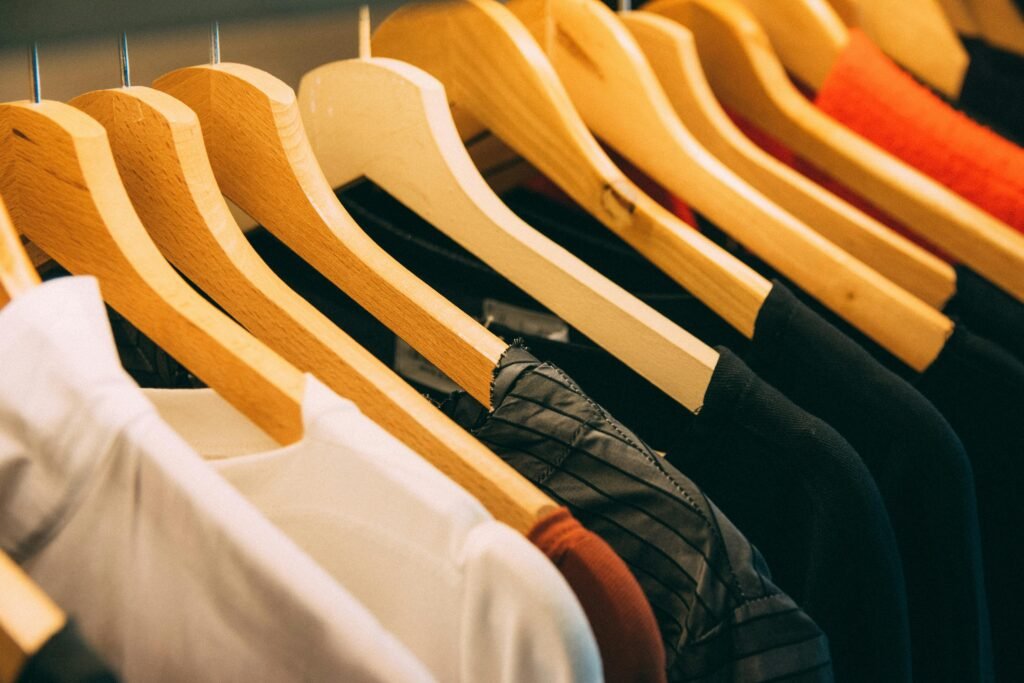
While major thrift stores and digital platforms dominate the conversation, some of the most unique and affordable secondhand finds come from temporary markets, student-led pop-ups, and rotating community events. These local spaces combine creativity, community, and budget-friendly access to fashion that reflects student style authentically.
Pop-up thrift events are often hosted by student organizations, sustainability clubs, or small vendors. They frequently happen at the start or end of a semester, allowing students to declutter and restock with purpose. Items at these events are typically donated by peers and priced low—sometimes even free.
📍 Where to Find These Events
- Check your campus event calendar and sustainability club socials
- Visit local artist markets or community center bulletin boards
- Follow local secondhand boutiques on Instagram—they often host pop-up racks
These events support local entrepreneurship while giving students access to stylish pieces at unbeatable prices. Plus, shopping at these markets builds relationships and contributes to a culture of mindful consumption.
🎓 Clothing Swaps: Community-Based Style Exchange
One of the most budget-friendly ways to refresh your wardrobe is through clothing swaps. These events allow participants to bring in items they no longer wear and trade them for new-to-you pieces, creating a cash-free cycle of fashion exchange. For students on tight budgets, it’s the perfect way to stay stylish without spending a dime.
🤝 Swap Event Tips for Maximum Value
- Bring clean, gently worn items that others would be excited to own
- Organize by size or category for better browsing
- Arrive early for the best selection—but stay open to unexpected treasures
- Volunteer as an organizer and get first dibs or bonus items
Swaps also reduce waste and foster community—a major plus for students trying to live more sustainably while stretching their budget.
🧼 Cleaning and Caring for Thrifted Clothes
Maintaining secondhand items properly extends their life and helps preserve your budget. Whether it’s hand-washing delicates, treating stains, or mending small tears, caring for your clothes saves money and deepens appreciation for what you wear.
🧽 Sanitize First, Then Style
After bringing home thrifted clothes, wash them immediately. Use a gentle detergent and air-dry when possible. For extra sanitation, add white vinegar to the wash or let clothes sun-dry outside. Items like shoes or jackets may benefit from fabric spray or steam cleaning.
🪡 Learn Basic Clothing Repair Skills
Knowing how to fix buttons, mend seams, or patch holes gives thrifted items new life. YouTube is full of beginner tutorials, and some campuses even offer sewing workshops or repair cafes. A simple needle and thread kit can save you from replacing otherwise perfect items.
📸 Thrifting Culture on Social Media
Secondhand fashion has become a powerful form of self-expression on platforms like Instagram, TikTok, and Pinterest. Hashtags like #ThriftHaul, #SecondhandStyle, and #CampusThrifter celebrate individuality and budget-smart living. For students, this visibility normalizes the idea that pre-owned doesn’t mean second-best—it means curated, creative, and conscious.
📱 Curate Your Feed for Inspiration
- Follow thrift influencers who focus on sustainability and body positivity
- Share your own finds and style combinations to contribute to the movement
- Use thrift-related tags to discover styling tips or resale opportunities
This community-driven content can also help you build confidence and discover styling tricks you hadn’t considered—turning your closet into a personalized expression of identity, not conformity.

📈 From Buyer to Seller: Reselling for Student Income
Many students are turning their passion for secondhand fashion into part-time income by reselling thrifted finds. With low startup costs and flexible schedules, flipping secondhand items on platforms like Poshmark or Depop is one of the most student-friendly side hustles around.
💡 How to Start Your Student Thrift Resale
- Start with what you already own but no longer wear
- Source unique or branded pieces with resale potential
- Use natural light and neutral backdrops for photos
- Write clear, honest product descriptions
- Package items neatly and ship promptly to build good ratings
Beyond income, reselling teaches marketing, communication, inventory management, and financial skills—all of which are resume-friendly.
🧠 Minimalism and the Secondhand Lifestyle
Thrifting naturally supports a minimalist mindset. When you shift from impulse shopping to curated selection, you begin to value each item more deeply. The thrill moves from buying often to buying better. You become a more conscious consumer—not just for your wallet, but for your well-being.
As explained in this guide on minimalism and financial peace, simplicity reduces stress, improves decision-making, and helps you avoid the clutter that often accompanies unchecked consumption.
🎯 Questions to Ask Before Every Purchase
- Do I truly need this item, or am I reacting emotionally?
- Will I wear this in three different ways or occasions?
- Does it align with my values, budget, and space?
- Is there a similar piece already in my closet?
These questions help separate desire from intention—turning your thrift habits into financial self-care rituals.
📅 Building a Seasonal Rotation with Secondhand Staples
Thrifting isn’t just for one-time finds—it’s a smart way to build seasonal capsules. From cozy fall layers to spring dresses, secondhand sources offer endless potential for curated, functional wardrobes year-round.
🍂 Essentials for Fall and Winter
- Corduroy pants, flannels, wool scarves
- Oversized sweaters and structured coats
- Layered textures in earth tones
- Boots with grip for campus walking
🌸 Essentials for Spring and Summer
- Linen shirts, cotton dresses, loose joggers
- Sandals, sneakers, and denim shorts
- Graphic tees or tanks for layering
- Light outerwear like denim jackets or windbreakers
When shopping with seasons in mind, you can buy off-season to save more and plan ahead. Keep a small seasonal bin under your bed or closet for organized rotation.
🧰 Storage and Organization on a Budget
Even with a minimalist wardrobe, organization matters. Use simple storage hacks to maximize small dorm or apartment spaces while keeping thrifted treasures in good condition.
📦 Smart Student Storage Hacks
- Rolling racks double as decor and closet extensions
- Over-the-door hangers save drawer space
- Vacuum-sealed bags preserve seasonal clothes
- Label bins and rotate every semester
Good organization ensures you actually wear what you own—preventing unnecessary repurchases and helping you enjoy your thrifted wardrobe to the fullest.
🎁 Thrifting for Gifts and Occasions
Secondhand shopping isn’t just about personal fashion—it’s also a savvy way to give gifts. Whether for birthdays, holidays, or themed events, thrift stores offer vintage finds, unique books, accessories, or home decor that show thoughtfulness and creativity.
Curating a “gift box” from secondhand treasures can be more meaningful than buying something generic. You save money, reduce waste, and give something with character. Wrap it in recycled materials or decorate with DIY flair to complete the look.
💡 Integrating Thrifting into Everyday Student Life
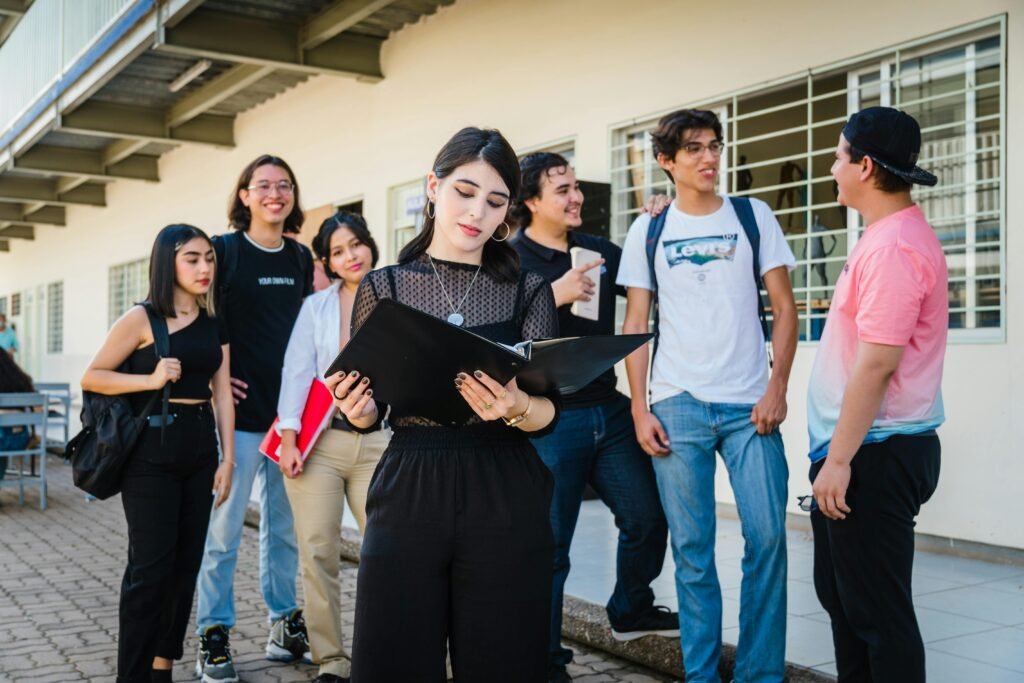
Making secondhand fashion part of your lifestyle doesn’t require dramatic change—it’s about consistent, mindful decisions. Whether you browse a thrift store once a month, check a resale app before shopping new, or join a local swap event, the key is building habits that support your budget, your values, and your self-expression.
When students approach clothing from this angle, style becomes personal, not pressured. Budgets feel more flexible. Closets feel more intentional. And most importantly, confidence grows from knowing your choices are both smart and sustainable.
🔄 Make It a Routine
- Set a recurring “closet edit” every semester
- Donate or resell what you no longer wear
- Keep a wishlist to avoid random purchases
- Choose one quality secondhand piece per month to build your wardrobe gradually
This rhythm creates balance—between needs and wants, newness and reuse, simplicity and individuality.
🧘 The Emotional Benefits of Mindful Fashion
Thrifting isn’t just a budget strategy—it’s emotional self-care. The act of curating your closet around pieces you love (not what marketing tells you to want) builds self-trust. It removes the anxiety of keeping up. And it reinforces the belief that your style is valid—no matter its price tag.
Many students report that switching to secondhand shopping reduces stress and impulsive spending. It also nurtures creativity, encourages gratitude, and fosters a healthier relationship with material things. You stop chasing and start creating.
🎯 Aligning Fashion With Personal Values
When your wardrobe reflects your ethics—whether that’s sustainability, frugality, or minimalism—it becomes a source of pride, not pressure. Every thrifted find becomes a small act of resistance against waste and overconsumption. Every dollar saved becomes fuel for your bigger goals.
📚 Secondhand Style and Academic Success
It may seem unrelated, but what you wear impacts how you show up in class, interviews, and internships. Looking put-together improves confidence, and feeling aligned in your outfit supports focus. When your clothes feel like “you,” there’s one less thing to worry about during an already stressful time.
Secondhand fashion gives students the chance to dress with intention—without adding financial strain. And that intention often spills into other areas: studying smarter, spending wiser, and managing time more effectively.
🎓 Clothing as a Soft Skill
Learning how to budget, shop wisely, present yourself professionally, and care for what you own are real-life skills that extend far beyond college. Employers notice when candidates have a clear sense of self and discipline—qualities often reflected in personal appearance and decision-making.
💬 Student Voices: Why They Thrift
Across campuses, students are vocal about why secondhand fashion works for them:
- “I thrift because I can’t afford $60 hoodies, but I still want to look good.”
- “It’s a creative outlet—I feel like I’m styling my own art.”
- “Thrifting makes me feel resourceful. It’s fun, cheap, and sustainable.”
- “I love that I’m not supporting fast fashion or wasteful practices.”
These reasons reflect the deeper emotional and ethical drivers behind this growing movement—reasons that go far beyond the price tag.
❤️ Conclusion
Secondhand clothing isn’t just a solution to a tight student budget—it’s a gateway to a more intentional life. Through thrifted fashion, students discover independence, sustainability, and self-expression. They learn to build wardrobes that reflect who they are and what they believe in, all while saving money and supporting a healthier planet.
Thrifting empowers students to take control of their finances without giving up their identity. It turns shopping into a form of creativity, problem-solving, and even community-building. And it proves that you don’t need a big budget to look and feel like your best self.
When your closet aligns with your values, every outfit becomes a form of confidence. Every saved dollar becomes a step toward freedom. And every intentional choice adds up to a lifestyle that’s stylish, sustainable, and smart.
❓ FAQ
Q: What’s the best place for college students to find affordable secondhand clothes?
Local thrift stores, campus clothing swaps, and platforms like Depop and Poshmark are top sources. Many students also find hidden gems at pop-up markets or by joining Facebook groups for local resale and exchange.
Q: How can I make sure thrifted clothes are clean and safe to wear?
Wash everything as soon as you bring it home using gentle detergent. Add white vinegar for disinfecting and air-dry when possible. Steamers and fabric sprays can also freshen items that can’t be machine-washed.
Q: Is it really possible to build a full wardrobe from secondhand sources?
Absolutely. With patience and consistency, students can build versatile, stylish wardrobes completely from thrifted items—often at a fraction of the cost of new clothing. Capsule wardrobe planning helps maximize every piece.
Q: How does secondhand shopping support sustainability?
Thrifting reduces textile waste, conserves water and energy, and minimizes demand for fast fashion production. It promotes a circular economy where clothes are reused and repurposed rather than discarded after a few wears.
This content is for informational and educational purposes only. It does not constitute investment advice or a recommendation of any kind.
Navigate student loans, budgeting, and money tips while in college here: https://wallstreetnest.com/category/college-student-finances