

⚖️ What Is Probate and Why It Matters
Probate is the legal process that takes place after someone dies, ensuring their assets are distributed according to their will—or by state law if no will exists. For many families, probate can be a confusing and emotionally charged experience. Yet understanding how it works is critical to protecting your loved ones, honoring final wishes, and avoiding legal complications during a time of grief.
This process is more than just paperwork—it’s about ensuring debts are paid, assets are accounted for, and the right people receive what’s legally theirs. Probate affects everything from bank accounts and real estate to digital property and personal belongings. Whether you’re preparing your own estate or managing a loved one’s, knowing what to expect helps reduce stress and delays.
🔍 Who Oversees the Probate Process?
The probate process is typically handled by the executor of the will—or, if no will exists, by a court-appointed administrator. This person is responsible for collecting assets, settling debts, filing taxes, and distributing what remains to the rightful heirs. Probate courts supervise every step to ensure transparency and fairness, but the process can still be complex and time-consuming.
Executors must follow local state laws and deadlines, file official documents, and often work with attorneys, accountants, and creditors. A strong understanding of each step prevents costly mistakes and keeps the estate moving forward efficiently.
📜 Step 1: Locating the Will and Filing It With the Court
The first step in probate begins with locating the deceased person’s will. Once found, it must be filed with the probate court in the county where the person lived. If no will exists, the court opens an “intestate” case, meaning the state’s laws of inheritance will determine who receives what.
Filing the will is a public process. It initiates the legal review and gives notice to interested parties—heirs, beneficiaries, and creditors—that probate has begun. Courts typically require a certified copy of the death certificate along with the will and a petition to open the probate case.
📁 What Happens If There Is No Will?
When someone dies without a will, state intestacy laws take over. These laws create a hierarchy of who inherits—usually starting with spouses and children, then moving to parents, siblings, and extended relatives. The court appoints an administrator to manage the estate. This can lead to unexpected results and disputes among family members.
Because of this, even young adults are encouraged to draft a simple will. Doing so gives clarity to your intentions and prevents confusion or conflict in a difficult time.
💼 Step 2: Appointing the Executor or Administrator
Once the probate case is opened, the court formally appoints an executor (if named in the will) or selects an administrator (if no will exists or the named executor is unavailable). This person has fiduciary responsibility—which means they’re legally obligated to act in the best interest of the estate and its beneficiaries.
The executor receives “letters testamentary” (or “letters of administration”)—official court documents granting authority to access bank accounts, sell property, pay debts, and handle legal tasks. This step sets the stage for all the work that follows.
📜 Qualifications and Disqualifications
Most states require that an executor be a legal adult with no felony convictions. Some restrict out-of-state executors unless they are family members. Courts can deny or remove an executor if they fail to perform their duties or act dishonestly.
Choosing the right executor is crucial. It’s not just about trust—it’s about organizational skill, availability, and emotional readiness.
📊 Step 3: Inventorying the Estate
One of the executor’s first tasks is to create a detailed inventory of the deceased person’s assets. This includes physical property (homes, cars, valuables), financial accounts (bank accounts, stocks, retirement funds), business interests, and any outstanding debts or liabilities.
Valuations may be required, particularly for real estate or collectibles. Some assets, like life insurance or retirement accounts with named beneficiaries, pass outside of probate. Others must be formally appraised and documented for court submission.
💡 Digital and Forgotten Assets
Modern estates often include digital assets: cryptocurrency, online business income, intellectual property, or social media accounts with monetary value. Executors should look for digital account access, passwords, or any legal designations made during life. Ignoring these assets can create legal confusion and financial loss.
💰 Step 4: Paying Debts and Taxes
Before anything can be distributed to heirs, the executor must pay off all valid debts and taxes owed by the estate. This may include:
- Outstanding credit cards or personal loans
- Mortgage or rent balances
- Medical bills and final expenses
- State and federal income taxes
- Estate taxes, if applicable
Creditors are given a set window (typically 4–6 months) to submit claims. The executor must evaluate each claim, settle accounts using estate funds, and keep detailed records. Failure to follow proper procedures can result in personal liability.
Understanding the differences between estate tax and inheritance tax can help clarify which debts apply. As explored in this breakdown of estate vs. inheritance taxes, not all heirs are taxed the same way, and thresholds vary by state.
📅 Final Tax Returns
The executor must file the deceased person’s final personal tax return as well as a tax return for the estate (if it earns income during probate). Tax obligations can delay the closing of probate, so early coordination with a tax professional is advised.
🏠 Managing and Maintaining Property
While probate is underway, physical assets—like homes or rental properties—still require attention. The executor is responsible for securing, maintaining, and insuring these properties. If the estate lacks cash to pay for upkeep, assets may need to be sold, with court approval, to cover costs.
Insurance policies may need to be updated or extended, and utilities should be maintained to protect the property. In some cases, the executor must manage tenants, evictions, or repairs—all while navigating family expectations and emotional tensions.
🪪 Titled Assets and Ownership Transfers
Cars, boats, and other titled property must be legally transferred through local DMV or county offices. The executor must present legal documents from probate court, proof of ownership, and sometimes appraisal certificates. These tasks are often overlooked but are critical to avoiding delays in estate closure.
🔐 Protecting Assets From Fraud and Misuse
Unfortunately, probate estates are sometimes targeted by fraudsters—or even family members acting in bad faith. The executor should monitor accounts for suspicious activity, change digital access where needed, and consult legal counsel if disputes arise. Clear communication with heirs can also prevent conflict and misunderstandings.
🔍 Monitoring Claims and Suspicious Activity
Any unexpected creditor claims, altered documents, or attempts to access the estate without permission should be flagged immediately. Courts take misconduct seriously, but swift action is required to preserve the estate’s integrity.

👨👩👧👦 Step 5: Distributing Assets to Heirs
Once debts and taxes are settled, the executor moves on to distributing the remaining assets to beneficiaries. If a will exists, distributions follow those directives. Otherwise, distribution aligns with state intestacy laws. Clear communication at this stage helps minimize misunderstandings and emotional conflict.
Real estate, investments, personal items, and financial accounts are transferred or disbursed according to legal procedures. Some assets—like those held in joint tenancy or designated beneficiaries—may pass outside probate entirely, speeding up their release.
🏛️ Understanding Joint and Beneficiary Assets
Assets with named beneficiaries—like life insurance, retirement accounts, and payable-on-death bank accounts—typically bypass probate. Joint tenancy property also transfers automatically. Knowing which assets require probate and which bypass it can greatly accelerate the process and reduce costs.
Avoiding probate with beneficiary designations requires careful planning—but it also provides heirs immediate access to valuable funds during a stressful time.
🔄 Step 6: Resolving Disputes and Claims
Not all probate cases go smoothly. Disputes may arise over contested wills, beneficiary claims, or executor actions. It’s the executor’s duty to resolve these by negotiating, mediating, or seeking court guidance. Legal clarity and documentation are crucial here.
Disputes may involve heirs who believe unfair distributions occurred, creditors who missed submission deadlines, or family members challenging the validity of the will. Proactive communication is often the best prevention.
📄 When Estate Litigation Becomes Necessary
If mediation fails, the dispute may escalate into formal litigation. Beneficiaries or creditors can petition the court to intervene—in which case costs and delays increase. Clear documentation of each step, distribution decision, and communication helps protect the executor and preserve fairness.
📂 Step 7: Final Accounting and Court Approval
After distributions are complete, the executor prepares a final accounting: detailing assets collected, expenses, debts paid, and distributions made. The court reviews this accounting to ensure compliance with legal standards. Beneficiaries may raise objections if they spot discrepancies.
Once approved, the court issues an order to close the probate estate. This step officially ends the executor’s legal responsibility—unless future claims or resolutions arise.
✅ Executor’s Final Responsibilities
The executor must ensure all estate records are retained and stored securely for a defined period—often several years—to protect against future disputes or audits. Copies of wills, court filings, tax documents, and distribution receipts should be retained.
🧾 Probate Costs and Timeline Explained
Probate timelines vary significantly depending on state laws, estate size, and complexity. Smaller estates or states with streamlined procedures may complete the process in 6–9 months. Complex estates, competitive claims, or contested wills can extend the timeline to 18+ months.
Costs include court filing fees, executor compensation, attorney or accountant fees, appraisals, and potential sale of assets. Typical probate costs range from 2%–7% of the estate’s value, but may be reduced with careful planning.
📊 Budgeting for Probate Costs
- Court filing and administration fees
- Legal representation (if needed)
- Appraisal costs for real estate or valuable assets
- Executor compensation or commissions
- Miscellaneous administrative costs
In some cases, the estate may request a waiver of certain fees if qualified. Executors should consult the probate court clerk or legal counsel for assistance navigating fee exemptions.
📜 Why Estate and Inheritance Taxes Matter
Understanding the difference between estate tax and inheritance tax applies during probate. Estate tax is imposed on the estate before distribution, while inheritance tax is paid by individual heirs. Some states impose one, both, or none. Thresholds and exemptions vary widely by state.
For deeper understanding of these critical tax issues, including state-specific rules and how probate interacts with taxation, explore this detailed comparison of estate versus inheritance taxes. Planning ahead can dramatically reduce tax exposure and simplify the distribution process.
📉 Tax Planning Strategies During Life
To minimize future probate tax liability, consider:
- Lifetime gifting strategies below exemption limits
- Transfer of assets into trusts
- Use of life insurance or beneficiary designations
- Joint property ownership structured appropriately
These proactive tools can reduce the size of the probate estate—and therefore limit the tax burden for heirs.
🔐 Avoiding Probate Altogether—Is It Possible?
Yes, with proper planning. Many estate plans redistribute assets to bypass probate entirely—such as through living trusts, payable-on-death accounts, or joint ownership. These alternatives can save time, money, and emotional complications.
While probate avoidance strategies are often recommended for larger or more complex estates, even younger or smaller estates can benefit from planning simple probate-free structures.
🧾 Common Probate Avoidance Tools
- Revocable living trusts
- Transfer-on-death (TOD) or payable-on-death (POD) bank accounts and securities
- Joint tenancy or tenancy by the entirety ownership structures
- Small estate affidavits in states that offer simplified procedures
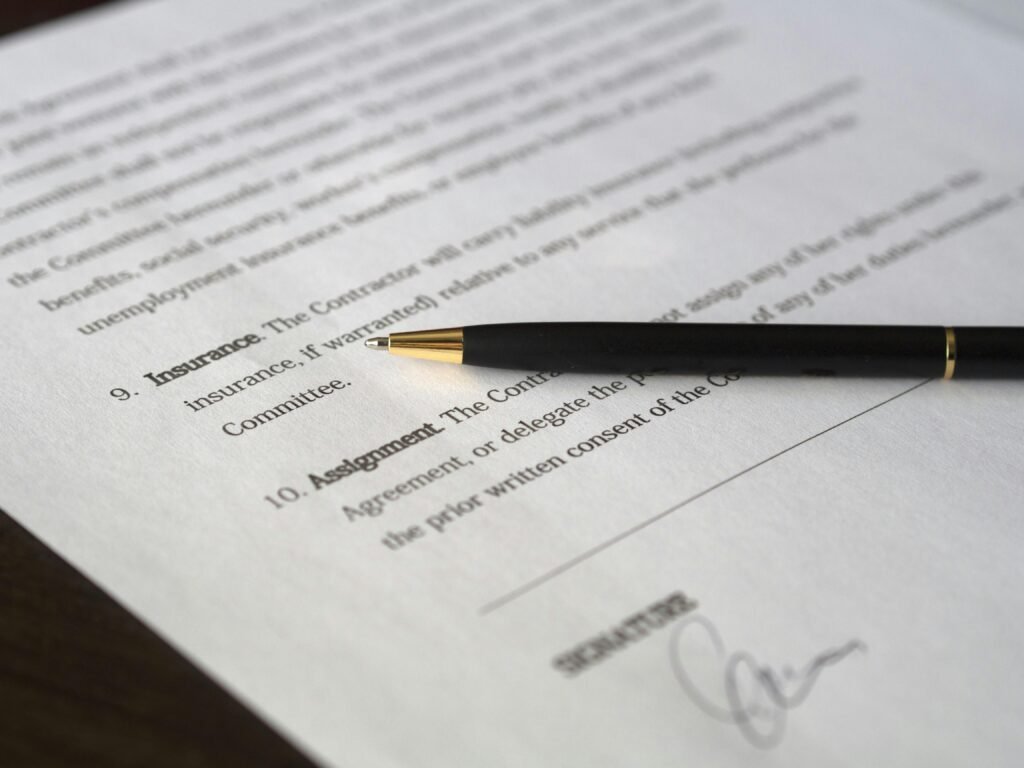
⚖️ Choosing the Right Executor for Your Estate
Selecting the right executor is a foundational step in estate planning. This person will be legally responsible for managing the probate process, including handling sensitive family dynamics, distributing assets, and interacting with courts and creditors. Many people choose a trusted family member, but in more complex estates, appointing a professional or attorney may be the wiser route.
The executor must be organized, communicative, impartial, and financially literate. It’s also important that they are physically available and emotionally prepared for a process that may last over a year. Making your choice clear in a valid will helps avoid disputes and confusion later on.
🧾 What Happens If No Executor Is Named?
If no executor is named or the named person declines, the court will appoint one—often a close relative or legal representative. However, this can delay probate and increase the chance of family tension. Naming a backup executor is a smart precaution in any will.
🛑 Common Probate Pitfalls to Avoid
Many probate delays and expenses arise from preventable mistakes. One of the most common is dying without a valid will, which leaves the estate subject to intestate laws. This can lead to outcomes the deceased never intended—such as estranged relatives receiving significant assets or minor children inheriting property without adequate guardianship.
Another error is failing to update beneficiaries on accounts like life insurance or retirement funds. These designations override wills and can lead to assets going to ex-spouses or disinherited relatives.
📌 Top 5 Probate Mistakes
- Leaving no will or an outdated one
- Failing to update account beneficiaries
- Underestimating estate taxes or debts
- Choosing the wrong executor
- Ignoring probate-avoidance opportunities like trusts or TOD/POD accounts
Staying ahead of these risks helps reduce family stress and preserve wealth during the transition of assets.
📈 Streamlining Probate With Professional Help
Hiring an experienced probate attorney can significantly reduce the burden on an executor, especially in estates with legal complexity, business assets, or out-of-state properties. Financial advisors and tax professionals also play a vital role in helping settle taxes and ensure proper valuations.
Even when not legally required, professional guidance often results in smoother probate administration, faster estate resolution, and minimized costs. For estates with property in multiple states or foreign assets, legal support is especially valuable.
💡 Legal and Financial Professionals to Consider
- Probate attorneys for legal filings and court representation
- CPAs for final tax returns and estate accounting
- Real estate agents for property sales
- Appraisers for estate valuation
- Trust officers or fiduciaries for larger estates
📚 Probate and Education: Why Learning Ahead Matters
Most people don’t think about probate until they’re in the middle of it. But learning how the process works ahead of time empowers better planning—and fewer surprises during emotionally charged times. Whether you’re managing someone else’s estate or preparing your own, education is a powerful financial tool.
This is especially important for families with aging parents. Open discussions now can prevent confusion later. And as shown in this article on end-of-life financial preparation, addressing these topics early can protect both assets and relationships.
🎓 How to Talk About Probate With Family
Conversations about death and money are difficult—but necessary. Schedule a calm time to discuss wills, account access, key contacts, and location of documents. Encourage loved ones to share their wishes and consider involving a neutral third party like a financial advisor if tensions arise.
❤️ Probate and Legacy: More Than Just Money
At its core, probate is about legacy—not just legal documents. It’s about honoring someone’s intentions, distributing their life’s work with dignity, and preserving the emotional ties to their belongings and values. When done thoughtfully, probate supports healing, closure, and continuation.
Executors and beneficiaries alike should approach the process with compassion and a long-term mindset. Financial details are important, but how we handle them says as much about the departed as it does about us.
🕊️ Final Message: Probate as a Transition, Not a Transaction
Probate can feel procedural, but it’s ultimately a human process. Beyond paperwork and court dates, it offers a chance to reflect, connect, and carry forward a loved one’s legacy. With proper planning, open communication, and professional support, this journey can be one of both financial clarity and emotional growth.
❓ Frequently Asked Questions About Probate
What assets are subject to probate?
Assets solely owned by the deceased without a named beneficiary typically go through probate. This includes real estate, bank accounts, personal property, and investments not held in trusts or joint ownership.
How long does the probate process usually take?
Probate typically takes between 6 months to 18 months, depending on estate complexity, court schedules, and whether disputes arise. Small estates or those with proper planning may resolve faster.
Can probate be avoided entirely?
Yes. With tools like revocable living trusts, joint ownership, and beneficiary designations, many assets can bypass probate. Planning ahead is essential to reduce the need for court involvement.
What happens if someone dies without a will?
If no will exists, state intestacy laws determine who inherits the estate. The court appoints an administrator, and asset distribution follows a fixed legal formula, often beginning with spouses and children.
This content is for informational and educational purposes only. It does not constitute investment advice or a recommendation of any kind.
🔗 Final Resource
Understand the legal aspects of debt, contracts, and money rights here:
https://wallstreetnest.com/category/legal-financial-issues/