
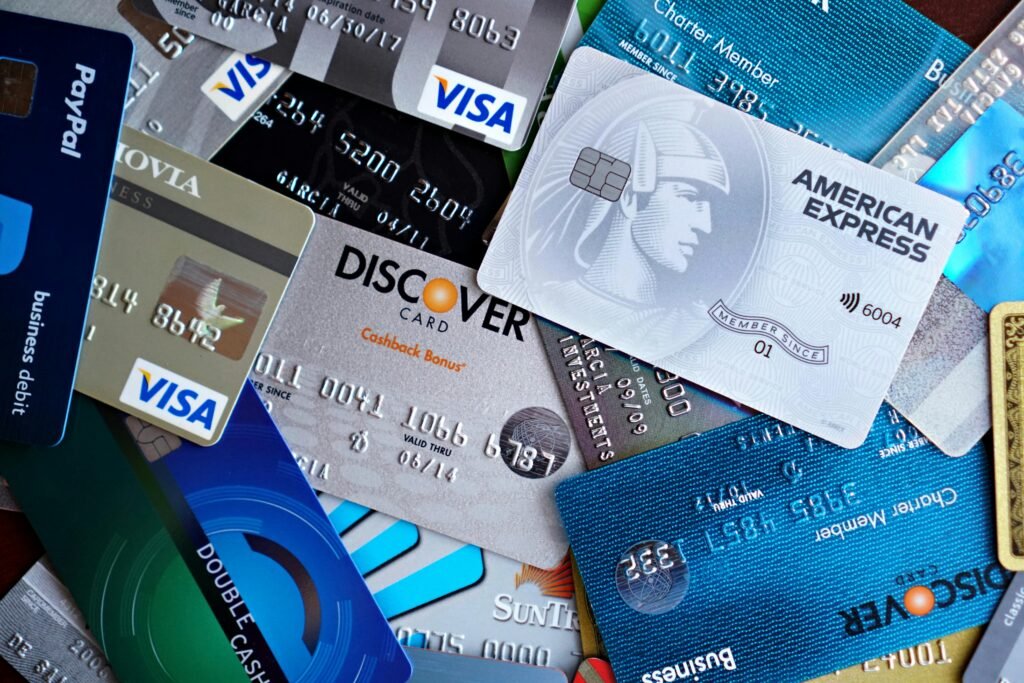
🎓 Why Building Credit Early Matters for College Students
Building good credit habits before graduation is one of the most powerful ways to set the foundation for financial independence. Your credit score will play a key role in future opportunities—from renting an apartment and qualifying for student loan refinancing, to securing low-interest car loans or even job applications in certain industries. Developing these habits now, while still in school, gives you a head start on long-term financial success.
Many students wait until after college to start thinking about credit, but by then, they’ve missed years of potential credit history. Credit scores are not built overnight—they rely on consistent, responsible behavior over time. Starting early allows you to establish a record of reliability and trust with lenders, which can translate into better financial options later.
📈 The Role of Credit in Your Financial Future
Your credit score influences more than just credit cards. It affects housing applications, utility deposits, insurance premiums, and even your ability to qualify for certain jobs. A strong credit history reflects responsibility and stability—qualities that lenders and employers value. By taking proactive steps now, you position yourself to navigate post-grad life with greater financial confidence and access.
College is the ideal time to build healthy credit habits because your expenses are often more limited, and you may have fewer financial obligations compared to post-graduation adulthood. This window allows you to experiment with credit in a lower-risk environment, which is ideal for learning and growth.
💳 Getting Started with Your First Credit Card
One of the simplest ways to start building credit is through a student credit card. These cards are designed for individuals with little to no credit history, offering manageable credit limits and basic rewards. While it can be tempting to view a credit card as “extra money,” the key is to treat it like a debit card—only spending what you can afford to pay off in full each month.
🧾 Choosing the Right Credit Card
Look for cards with no annual fee, low interest rates, and financial education tools. Many student cards offer features like credit score monitoring, alerts for large purchases, and spending summaries. These resources can help you stay on track and learn how your habits affect your credit profile.
Remember that approval odds increase when applying for a card designed specifically for students. If you’re denied, consider applying with a co-signer or exploring secured credit card options that require a refundable deposit.
📅 Paying On Time: The Cornerstone of Credit Health
Payment history accounts for 35% of your credit score—the single largest factor. Even one late payment can significantly damage your score, especially when you’re just starting out. That’s why creating a habit of paying your bills on time is non-negotiable. Set calendar reminders, enable auto-pay features, or use budgeting apps that send notifications when payments are due.
🔄 Building Reliability Through Consistency
Consistency is what builds lender trust. Whether it’s a phone bill, student loan, or credit card, making timely payments over and over again tells creditors that you’re dependable. This habit becomes even more valuable when you start borrowing larger amounts, such as for a car or home.
It’s also important to understand that partial payments do not count as “on time” unless the minimum amount is met. Paying the full balance each month is ideal, but never pay less than the minimum due.
📊 Understanding Credit Utilization
Another critical factor in your credit score is credit utilization—the ratio of your credit card balances to your credit limits. Experts recommend keeping this ratio under 30%, but staying under 10% is even better. For example, if your credit limit is $1,000, try not to carry a balance higher than $100 to $300 at any given time.
Utilization shows lenders how responsibly you manage available credit. Maxing out cards or carrying high balances—even if paid on time—can signal financial stress or overdependence on credit. Monitoring this ratio regularly will help you maintain a healthy score.
💡 How Utilization Affects Your Score
Even if you pay off your balance every month, your utilization ratio is calculated based on the balance shown at the time your statement closes. That means it’s possible to appear as overutilizing credit if you spend heavily before the closing date. One tip is to make an early payment before the statement cycle ends, lowering your reported balance and improving your score. For a deeper dive into this topic, the guide on how credit utilization affects your credit score explains how this metric can make or break your credit-building efforts.
🛠️ Building Credit Without Going Into Debt
There’s a misconception that you need to carry debt to build credit. In reality, using your credit card responsibly—making small purchases and paying them off in full—is enough to create a positive credit history. You don’t need to carry a balance or pay interest to demonstrate responsible behavior.
Other credit-building tools include student loans (as long as they’re managed well), authorized user status on a parent’s card, or credit builder loans offered by some credit unions. Each of these can contribute to your credit profile without putting you at risk of unmanageable debt.
📌 Monitoring Your Credit Regularly
Free credit monitoring services allow you to keep track of your score and receive alerts for unusual activity. This not only protects you from fraud but also helps you understand how your actions affect your score over time. If your school offers access to a financial education center or personal finance course, consider enrolling—it’s a valuable resource for strengthening these habits early.
🏛️ Financial Literacy: Your Strongest Credit Asset
Credit knowledge is financial power. The earlier students learn about interest rates, compound debt, repayment terms, and credit reports, the more prepared they’ll be to thrive after graduation. Incorporating personal finance lessons into your college experience—whether through workshops, podcasts, or university resources—can provide a critical advantage.
As outlined in the resource on managing personal finances while in college, budgeting, saving, and strategic credit use go hand-in-hand. Treat credit building as part of your overall financial toolkit—not a separate or secondary effort. This mindset reinforces smart decision-making across every area of life.
📚 Build Habits Now, Benefit Later
Credit habits take time to show results, but they also reward you for consistency and patience. Small steps—like paying on time, staying under your limit, and avoiding impulse purchases—compound into long-term financial flexibility. The sooner you begin, the greater the payoff by the time graduation arrives.
Establishing these practices now doesn’t just build your credit score—it shapes your mindset, improves your confidence, and lays a foundation for smarter financial moves long after your college years are over.
🧾 How Student Loans Can Impact Your Credit Journey
Student loans often represent the first serious credit obligation for many graduates-in-waiting. While responsibly managing federal or private student loans can actually boost your credit history, mismanagement—late payments, forbearance, or default—can significantly harm your score. It’s critical to understand repayment terms before accepting loan offers, and to stay engaged with servicers throughout your academic journey.
Federal student loans usually offer flexible repayment plans and forgiveness options, while private student loans may rely heavily on your creditworthiness or that of a cosigner. Since most private student loan lenders require a creditworthy applicant or co-signer, maintaining good credit habits during college can make a difference when seeking better terms.
🔄 Avoiding Default and Its Consequences
Defaulting on student loans not only triggers debt collection efforts but also lands serious credit damage. It can prevent you from qualifying for future loans, delay job applications that involve financial checks, and even increase insurance premiums. If you’re struggling with payments, explore alternatives like income-driven repayment plans or deferments before missing a due date.
📊 Using Financial Tools to Track and Grow Your Credit
One proven strategy is using educational resources and apps designed to build financial literacy. Tools that monitor your credit score, send payment reminders, and categorize spending build awareness and prevent mistakes. Many student cards now include these features, and you’ll find guidance in resources like “Get Your First Credit Card Approved With These Easy Steps” which explain how credit behavior shapes your credit profile over time.
📱 Apps and Platforms That Support Smart Credit Habits
- Credit score dashboards and alerts.
- Spending trackers that categorize by month or merchant.
- Goal-setting features for saving and credit utilization.
Pairing these tools with established financial habits helps reinforce responsibility and awareness, making credit building automatic.
🧠 Learning the ABCs of Credit Scoring
Understanding credit mechanics strengthens your ability to make smart decisions. Key scoring factors include payment history, credit utilization, length of credit history, mix of accounts, and recent inquiries. Education on these fundamentals gives you control, rather than letting credit bureaus or lenders define your score without context.
📚 Enrolling in Financial Education at School
Your university may offer finance workshops, webinars, or student support tailored to money habits. Participating in these opportunities provides clarity on loans, repayments, and credit basics—often earlier than other students realize. Such knowledge not only prevents costly mistakes, but also aligns credit building with broader financial wellness.
🔄 Recovering from Missteps Without Derailing Your Credit
If you miss a payment or veer off track, all is not lost—especially early on. Immediately contact the lender, ask about alternative plans, and work to correct the record. Many student loan servicers and credit card issuers offer options tailored for students. The focus is on repair—not punishment—when handled proactively.
💡 Strategies for Credit Recovery
- Dispute errors on your credit report and correct inaccuracies.
- Negotiate with creditors to remove late mark in exchange for timely payment.
- Focus on rebuilding with consistent on-time payments and low utilization.
Over time, positive behaviors can outweigh early missteps—especially when you stay committed to rebuilding.
⚖️ Balancing Credit Usage With Saving Goals
While building credit matters, saving should not be ignored. Strong financial habits include allocating funds to an emergency cushion and savings goals—even as you use credit strategically. Automating savings ensures you can pay off credit balances in full, avoid interest, and reduce reliance on student loans over time.
📈 The Dual-Track Approach to Security and Credit
Divide your money to support both credit health and financial stability. For example:
- Make minimum payments on time to build credit.
- Pay the remaining balance early to reduce utilization.
- Maintain a savings buffer for unexpected expenses.
This balanced method reduces stress and supports consistent progress.
🔗 Connecting Money Habits Across Financial Dimensions
A holistic approach combines credit building with overall personal finance. Strategies that support credit growth—like budgeting, automatic payments, and thoughtful spending—also enhance saving, loan management, and financial empowerment. In fact, guidance from how to manage personal finances while in college reinforces that building credit and managing cash flow go hand in hand to prepare you for post-graduation life.
🛡️ The Confidence That Comes From Clarity
When you track your credit score, understand your loan terms, and manage spending consciously, you gain emotional and financial clarity. This clarity builds confidence—knowing you can navigate future credit decisions, from auto loans to apartment rentals, with ease. That peace of mind is as valuable as a high credit score.
🎯 Setting Credit Goals Before Entering the Workforce
As graduation approaches, setting intentional credit goals helps transform abstract habits into measurable progress. Whether your aim is to qualify for an apartment without a cosigner, secure a low-interest auto loan, or simply reach a credit score above 700, clarity creates motivation. Credit, like any financial tool, becomes most powerful when tied to purpose.
Use this time to review your credit report, verify accuracy, and address any unresolved accounts. Establish a six- to twelve-month plan that includes monthly milestones: on-time payments, utilization targets, and monitoring alerts. Small consistent wins will carry your momentum into post-college financial life.
📆 Pre-Graduation Credit Checklist
- Ensure all credit cards and student loans are in good standing
- Keep credit utilization under 30%, ideally below 10%
- Confirm payment history is accurate and unblemished
- Set up free credit monitoring for alerts and updates
- Establish a plan to build credit while managing student loan repayment
This checklist allows you to take ownership of your credit trajectory before it starts influencing major adult decisions.
🏠 Credit and Life Milestones: Housing, Jobs, and More
Your credit report may become part of your reality even before your first full-time paycheck. Landlords often check credit during rental applications, and many employers—especially in finance or government—review credit history as part of background checks. If your credit is weak or nonexistent, it can limit your options and increase your costs.
Having a positive credit history can open doors and reduce financial friction. A good score could mean smaller deposits on utilities, more favorable loan terms, and faster approval times. The choices you make in college, therefore, impact more than your academic transcript—they influence how easily you transition into adulthood.
📊 Establishing Credit Without Taking on Risk
Credit-building doesn’t mean debt accumulation. Through responsible student loan management, thoughtful credit card use, and free monitoring tools, you can build a solid credit foundation without borrowing more than necessary. As emphasized in this guide to starting a money journal, awareness and intention are your strongest financial allies during transitional moments like graduation.
🧘 Emotional and Mental Benefits of Financial Preparedness
Good credit isn’t just about numbers—it’s about peace of mind. When you know your credit is strong, you feel empowered to make bold life choices, pursue ambitious goals, and face challenges with resilience. Financial stress often comes from uncertainty. Building credit habits now reduces that uncertainty later.
Preparing for financial independence in college creates mental clarity and emotional stability. Instead of reacting to crises, you’ll respond with preparedness. That confidence builds trust in yourself—and over time, it becomes part of your identity.
💬 Integrating Credit Habits Into a Holistic Lifestyle
Building credit shouldn’t feel like a chore or a separate “adult task.” Instead, embed it into your daily routines. Just as you manage coursework, social life, and personal growth, credit can become another channel for self-respect and structure. Review your spending monthly. Check your score periodically. Celebrate your progress.
When credit becomes part of who you are—not just what you do—it transforms from a system you have to work around into a resource that works for you.
❤️ Conclusion
Good credit isn’t about perfection—it’s about consistency, self-awareness, and intention. The best time to start building that foundation is before graduation, when you still have time to practice, learn, and grow. By establishing responsible habits now, you give yourself more freedom, more confidence, and more control over your post-college life.
Your credit score will follow you into every chapter of adulthood—from your first apartment to your dream home, from your first job to your own business. Treat it with the care and respect it deserves, and it will reward you for years to come.
College isn’t just a place to earn a degree—it’s where you can start building the life you want, one smart credit habit at a time.
❓ FAQ
Q: What’s the best first step to build credit as a student?
The easiest starting point is applying for a student credit card or becoming an authorized user on a parent’s account. Use the card for small purchases and pay the balance in full each month to establish positive payment history.
Q: How long does it take to build a good credit score?
With consistent habits—on-time payments, low utilization, and regular monitoring—you can build a strong score (700+) within 12 to 24 months. The key is consistency over time, not quick fixes.
Q: Will student loans help or hurt my credit?
Student loans can help build credit if managed responsibly. Making on-time payments and avoiding default improves your score. However, missed payments or high balances can negatively impact it, so proactive management is essential.
Q: What credit score should I aim for by graduation?
Aiming for a score of 680 or higher gives you access to better financial products and rental agreements. However, even scores in the mid-600s can be workable with a strong payment history and low debt levels.
This content is for informational and educational purposes only. It does not constitute investment advice or a recommendation of any kind.
Navigate student loans, budgeting, and money tips while in college here: