

💎 Redefining Luxury: Beyond the Price Tag
Evaluating luxury purchases with a financial lens begins with redefining what luxury truly means. In today’s consumer-driven culture, luxury is often associated with exclusivity, status, and high price tags. But from a financial perspective, the most meaningful definition of luxury is something that enhances your life without compromising your long-term goals or peace of mind.
True luxury doesn’t necessarily have to be expensive—it must be intentional. A carefully chosen $1,000 watch that brings joy, utility, and status may offer more long-term value than five $200 impulse purchases that quickly lose their shine. The key is aligning your luxury purchases with your financial values, not societal expectations.
🎯 Personal Value vs. Social Validation
Many luxury purchases are driven by a desire for social proof. A designer bag or luxury car may feel essential for networking or fitting into a certain circle, but if the purchase doesn’t resonate with your own priorities, it’s unlikely to bring lasting satisfaction.
Start by asking: “Does this item reflect my identity or just the image I want others to see?” Evaluating purchases through this lens allows you to avoid buyer’s remorse and focus your resources where they’ll matter most.
📊 Financial Filters for Luxury Spending
Before making a high-end purchase, run it through a set of intentional financial filters. These questions help determine whether the spending supports your goals—or quietly undermines them.
- Can I afford this without touching my emergency fund or dipping into savings?
- Will this purchase delay any other important financial goals?
- Does this enhance my lifestyle or just my image?
- Will this still hold value—emotional, functional, or financial—in a year?
This checklist doesn’t strip away pleasure—it simply ensures that pleasure is rooted in confidence, not guilt or regret.
💡 Cost Per Use: A Practical Metric
One useful way to evaluate luxury purchases is through cost per use. A $1,500 handbag used daily for three years costs just $1.37 per day. Compare that to a $400 outfit worn once—$400 per use. This metric shifts your thinking from price to value, which is the core of financially sound luxury living.
💼 Understanding Opportunity Cost
Every dollar you spend has an alternative use. That’s the principle of opportunity cost. Spending $3,000 on a luxury item means not using that money for investing, debt reduction, or other financial goals that could yield long-term returns. This doesn’t mean you should never indulge—it means your indulgences should be weighed against what they displace.
Opportunity cost becomes even more critical when luxury purchases are financed or made using high-interest credit. What seems like a small monthly payment can quickly balloon into a much larger cost once interest and missed investment growth are factored in.
📈 Visualizing the Long-Term Tradeoff
If that $3,000 were invested instead of spent on a luxury item, and it earned an average 7% annual return, it could grow to over $6,000 in ten years. That’s the real cost of impulsive luxury—double the price, paid with your future freedom.
🧠 Emotional Triggers Behind Luxury Spending
Luxury spending is often emotional. Stress, envy, burnout, and even celebration can trigger splurges that feel justified in the moment but misaligned with your actual goals. Becoming aware of these patterns allows you to build healthier responses and reclaim control over your finances.
High-ticket purchases can create a temporary dopamine rush—a chemical high that fades fast. But the credit card balance, savings drain, or lingering regret stays much longer. Emotional spending is most dangerous when it becomes habitual, turning occasional indulgences into financial sabotage.
📚 Build Awareness Through Reflection
Instead of reacting impulsively, take 24 hours before making a luxury purchase. Ask: “What emotion am I trying to soothe or celebrate?” If the item still feels right after that pause, it’s more likely to be aligned with your true values.
📌 Aligning Luxury With Financial Intentions
The healthiest luxury spending happens when it’s planned and aligned with broader financial intentions. That means budgeting for indulgence, rather than letting indulgence disrupt your budget. Whether it’s a quarterly shopping allowance or saving over time for a dream trip, luxury becomes sustainable when it’s integrated into your financial plan.
As explored in this guide to building a financial life with clear intention, values-based spending empowers you to enjoy what you love without guilt. Instead of chasing luxury, you choose it—with clarity and confidence.
💰 Create a Dedicated “Indulgence Fund”
Set aside a percentage of your income into a fun fund—5% or 10%, depending on your goals. This fund becomes your permission slip to enjoy without disrupting essentials. You don’t have to justify the purchase—it’s already been accounted for.
🚪 Avoiding Guilt-Driven Purchases
Ironically, many luxury purchases are made not out of joy, but guilt. After working long hours or achieving a milestone, we tell ourselves we “deserve it.” While celebration is important, spending from a place of emotional exhaustion often leads to regret.
Reward yourself in ways that don’t derail your long-term peace. That could be a spa day instead of designer shoes, or a meaningful experience over material goods. Choosing rewards that align with your values makes them more fulfilling and financially sustainable.
🔄 Shift From Impulse to Intention
Luxury becomes powerful when it feels like a reward, not a reaction. When you choose indulgence intentionally—and not to escape discomfort—you gain emotional clarity and preserve your financial momentum.
📱 Influence of Social Media on Luxury Expectations
Instagram and TikTok often present luxury as a lifestyle of daily designer coffee, unboxing hauls, and first-class travel. While aspirational, these snapshots distort reality. Many influencers receive items for free, fund their lifestyle with debt, or share only highlight reels.
Comparing your life to these curated feeds can pressure you into spending beyond your means. But luxury that isn’t aligned with your budget or values is never truly satisfying—it becomes a performance rather than a personal joy.
🧘 Curate Digital Inputs
Follow creators who share intentional, values-aligned lifestyles. Unfollow those who trigger comparison, envy, or spending urges. Your digital environment shapes your financial decisions more than you think.
📉 The Danger of Lifestyle Inflation on Big-Ticket Luxury
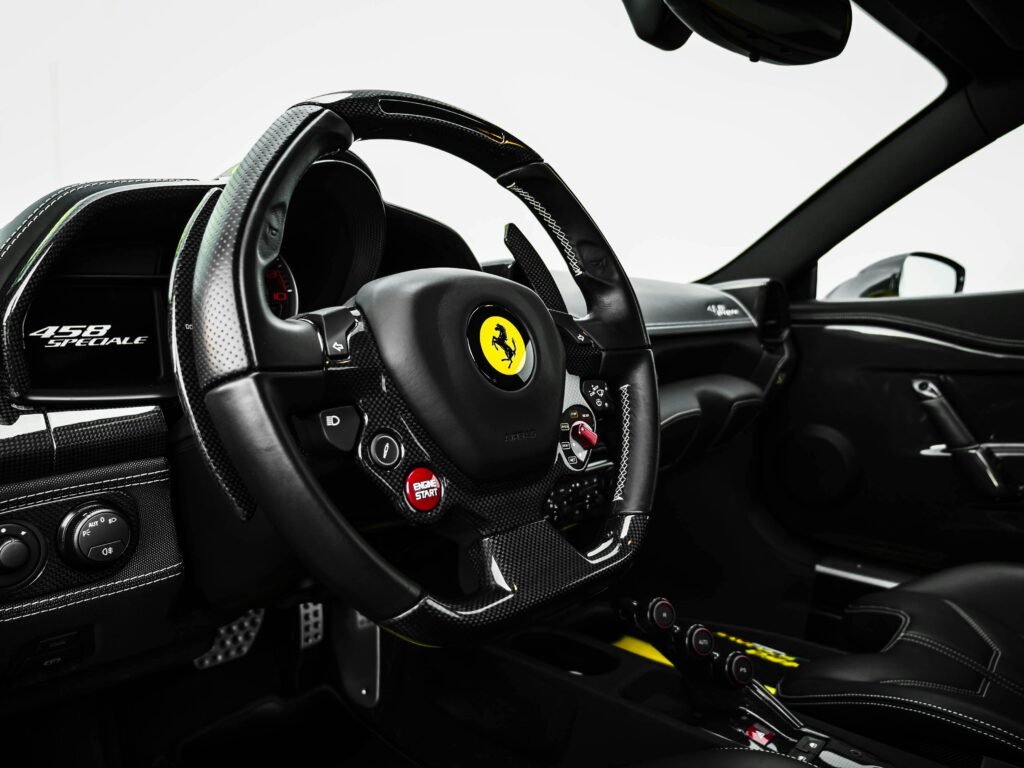
One of the most subtle threats to thoughtful luxury spending is lifestyle inflation—also known as lifestyle creep—where higher earnings naturally lead to higher spending. Without awareness, lifestyle inflation can transform meaningful luxury into mindless excess.
When salary bumps or bonuses arrive, it’s tempting to upgrade your car, move to a more expensive neighborhood, or splurge on designer goods. But these upgrades often lead to increased recurring costs—maintenance, insurance, property taxes—that quietly erode financial freedom.
Understanding lifestyle inflation helps you differentiate between intentional upgrades and societal pressure. As detailed in How Lifestyle Inflation Keeps You Broke Without Noticing, many people end up trapped by new spending habits that feel necessary, even though they undermine long-term goals.
💸 Core Signs of Lifestyle Creep
- You celebrate a raise by increasing discretionary spending rather than saving or investing.
- Small luxuries become expected norms—weekly fine dining, frequent shipping subscriptions, or premium memberships.
- Despite rising income, savings rate stays the same or falls.
- A flat or decreasing net worth, even as income increases.
Recognizing these signals is the first step toward anchoring luxury purchases in purpose, not momentum.
🛍️ Intentional vs Impulsive Luxury Buying
Not all luxury purchases are impulsive. Intentional buying reflects reflection—knowing what you want, why you want it, and how it fits your broader plan. Impulsive buying is reactionary—often emotional, inspired by trends, FOMO, or guilt.
Before purchasing, mentally frame the decision: “Is this aligned with my values and financial trajectory?” If the answer isn’t clear, it’s worth waiting, saving up, or reconsidering altogether.
🧠 The 24‑Hour Pause Rule
This mental buffer helps stall impulse. If after 24 hours the desire to purchase is still strong and aligned with your values, it’s likely a meaningful luxury—not a fleeting urge.
📊 Budgeting for Sustainable Luxury
Budgeting doesn’t diminish luxury—it enables it. When you designate funds for indulgence in advance, you empower yourself to enjoy premium items without guilt or financial disruption.
Create an indulgence line item in your budget—say, 5–10% of net income—specifically for luxury purchases, travel, or personal treats. This fund represents permission and clarity, not impulsivity.
🧾 Sample Indulgence Budget Breakdown
- 5% – Premium wardrobe upgrades
- 3% – Specialty dining or events
- 2% – Travel experiences or cultural splurges
- optional + – Larger purchases saved over time
By saving toward bigger purchases, luxury items become planned rewards rather than momentum-driven missteps.
🧰 Evaluate Depreciation and Resale Value
Luxury purchases are sometimes financial assets—watches, handbags, art, vintage cars—that hold or even grow in value. But many high-end goods depreciate quickly. It’s crucial to research resale or rental potential if you expect lasting value.
🔍 Calculate Resale Scenarios
- Limited-edition watches often retain 70%+ resale value.
- Fashion pieces lose value fast unless they’re vintage or collectible.
- Art and collectibles may appreciate—but only if demand remains consistent.
If resale potential is low, weigh emotional and functional benefits heavily before purchasing.
🌟 Emotional ROI: Luxury That Feels Worth It
Financial value is not purely monetary—it also lives in emotional ROI. A high-quality item that brings joy, confidence, or practical utility may enrich your life way beyond its cost. This is emotional value translated into sustainable luxury.
Consider how the item makes you feel, how long it will serve you, and whether it enhances your mental clarity or lifestyle alignment over time.
💬 Ask Yourself These Questions
- Will this item still bring me joy in a year or five?
- Does it enhance my daily life, or is it mostly symbolic?
- Does it support my identity—or mask it for others?
- Could the funds be better used for growth, experiences, or connection?
Answering honestly transforms emotional triggers into intentional purchases.
💡 Combine Luxury Intentionality With Financial Empowerment Tools
Intentional luxury works hand-in-hand with financial empowerment—knowing your values, budget, and goals allows you to enjoy high-end purchases thoughtfully. Building such awareness is at the heart of long-term financial strength.
As articulated in this guide to financial clarity and intentional living, preserving alignment between luxury and intention ensures that splurging enhances rather than diminishes your prosperity.
🔒 Map Goals, Values, and Purchase Plans
Create a simple vision board or digital document: list your luxury goals (e.g., art collection, designer items, travel) and map them to corresponding budgets and timelines. This keeps luxury visible but controlled.

🧭 Reassessing Luxury Over Time
What feels luxurious today may not hold the same weight tomorrow. As life evolves—careers change, families grow, values shift—so too does your definition of meaningful spending. Periodically reassessing your relationship with luxury ensures that your purchases continue to serve your current priorities, not outdated aspirations.
Instead of clinging to prestige for its own sake, give yourself permission to outgrow certain brands, habits, or luxuries. This evolution is a sign of maturity, not loss. It means your identity is anchored in purpose—not performance.
🔄 Quarterly Reflection Ritual
- What luxury purchases felt meaningful this season?
- Which ones felt impulsive or unnecessary in hindsight?
- Has my definition of luxury shifted?
- Are my indulgences aligned with my values or ego?
This simple reflection builds self-trust and fine-tunes your emotional-financial alignment.
🎯 Setting Boundaries Without Scarcity
Evaluating luxury through a financial lens doesn’t mean deprivation. It means discipline. And discipline doesn’t kill joy—it protects it. By setting spending boundaries, you create space to fully enjoy luxury without guilt or chaos.
Discipline allows for rich experiences without emotional baggage. You can buy the designer suit, drive the luxury car, or book the private resort—because you know it’s not disrupting your deeper goals. That’s not scarcity. That’s sovereignty.
🧘 Luxury With Peace, Not Pressure
Boundaries transform “Can I afford this?” into “Does this support who I’m becoming?” That question reshapes luxury into a tool for growth, not just gratification.
🛑 Spotting Red Flags in Luxury Behavior
Sometimes, what looks like luxury is actually avoidance. Overspending can signal emotional voids, low self-worth, or anxiety masked in elegance. These patterns are not always obvious—but when luxury becomes compulsive, isolating, or shame-driven, it deserves attention.
Financial health includes mental and emotional wellness. Monitoring your patterns helps ensure luxury remains empowering—not destabilizing.
⚠️ Watch for These Signals
- Hiding purchases or avoiding bank statements
- Buying to relieve stress or assert control
- Feeling empty or anxious after a luxury purchase
- Using luxury as a substitute for rest, therapy, or connection
These signs don’t mean you’re broken—they mean it’s time to re-anchor and reset.
💡 Redefining the Purpose of Wealth
True wealth isn’t about owning the most expensive items—it’s about freedom, peace, and choice. Evaluating luxury purchases through a financial lens invites you to explore what wealth actually means for your life.
Is it flexibility to work fewer hours? The ability to support family? Travel that deepens your worldview? Or simply peace of mind every time you check your bank account?
🏆 Luxury That Honors Your Legacy
Use luxury not just to elevate your lifestyle—but to anchor your legacy. What you spend on, talk about, and model teaches those around you what wealth looks like. Choosing aligned luxury inspires others to pursue both ambition and awareness.
❤️ Conclusion
Luxury is not the enemy of financial discipline—it can be its reward. When your purchases are intentional, emotionally grounded, and aligned with your goals, luxury becomes an expression of freedom, not a detour from it.
Evaluating luxury through a financial lens doesn’t dull its shine—it sharpens your clarity. It allows you to indulge without anxiety, succeed without comparison, and live richly on your own terms. In the end, the most powerful luxury is a life that reflects your deepest values—curated by choice, not chased by pressure.
❓ FAQ
Q: How do I know if a luxury purchase aligns with my financial goals?
Ask if the purchase supports your current budget, doesn’t delay key goals, and enhances your daily life. If it checks all three, it’s likely aligned. If it causes stress, delay, or regret—it’s not the right time.
Q: Should I ever finance luxury items?
Only if it’s interest-free, fits within your budget, and doesn’t displace essential savings or debt payments. Financing luxury should enhance flexibility—not create dependency or emotional strain.
Q: How can I enjoy luxury without overspending?
Set an indulgence budget, use cost-per-use calculations, and plan purchases in advance. Focus on items or experiences that bring long-term joy and reflect your identity—not trends or status.
Q: What’s a sign that I need to reassess my luxury habits?
If you’re consistently spending out of boredom, stress, or envy—or hiding purchases from others—it’s time to reflect. Look for emotional triggers and realign with your values and financial vision.
This content is for informational and educational purposes only. It does not constitute investment advice or a recommendation of any kind.
Learn to manage wealth with discipline while enjoying luxury by design here: