
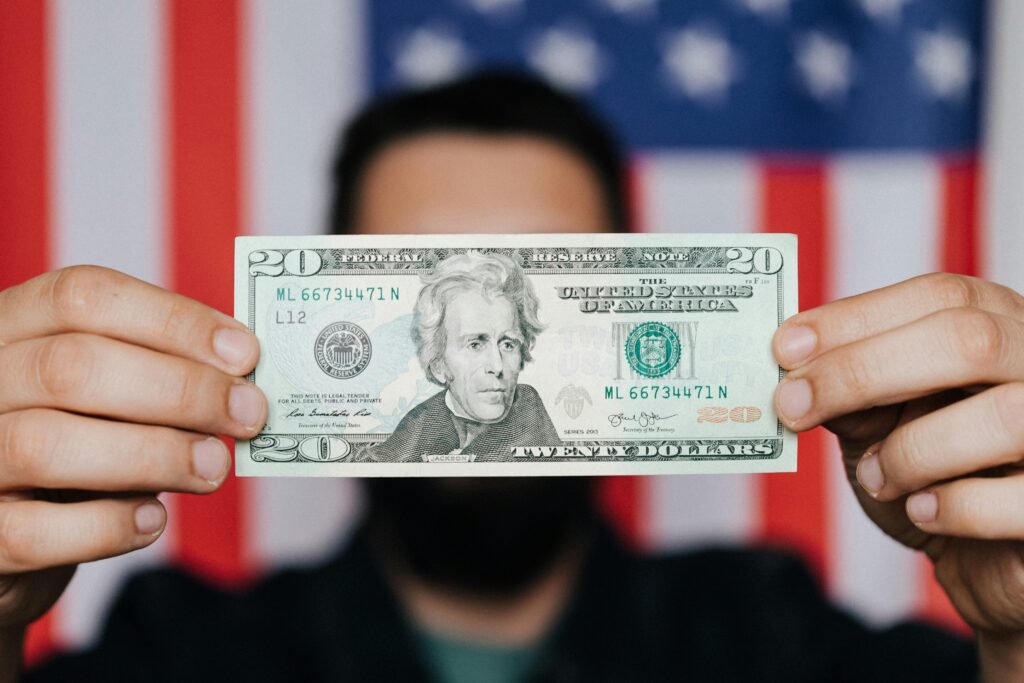
📊 Inflation’s Deepening Impact on Consumer Behavior in 2025
As inflation continues to reshape the American economic landscape in 2025, its ripple effects on consumer behavior are more evident than ever. Far beyond simply paying more at the checkout line, inflation has altered how people think, plan, save, spend, and engage with the marketplace. These shifts are not short-term reactions but foundational changes that could influence the economy for years to come.
🧠 Psychological Adaptation to Persistent Price Increases
In the past, consumers viewed inflation as a temporary inconvenience—a bump in the road. But in 2025, the perception has changed. Persistent inflation has rewired expectations. Individuals no longer assume that prices will eventually “normalize.” Instead, many have accepted a new price baseline, which affects not only spending patterns but also emotional decision-making.
This is closely related to the concept of inflation expectations. When people anticipate higher prices in the future, they change their current behavior—often accelerating purchases to avoid future costs. This can be seen clearly in durable goods markets like appliances, electronics, and even cars, where demand remains robust despite price hikes. As explored in this article on inflation expectations, consumer psychology is now a critical component of inflation’s ongoing economic influence.
💳 Credit Dependency Is on the Rise
With wages struggling to keep pace with price increases, more Americans are relying on credit to sustain their lifestyles. Credit card usage has hit historic highs, and personal debt is rising across all income brackets. This is particularly alarming for middle-income households, who are being squeezed hardest by rising prices in non-discretionary categories like groceries, utilities, and healthcare.
The Federal Reserve’s ongoing interest rate policies have made this even more painful. Higher interest rates mean more expensive borrowing, causing monthly credit card payments to balloon. Consumers are trapped in a cycle: they borrow to survive inflation but end up facing higher repayment burdens.
🏠 Shifts in Housing Behavior and Long-Term Planning
🏘️ The Housing Market Is No Longer About Ownership
Traditionally, buying a home was considered a cornerstone of financial security and upward mobility. In 2025, that ideal is fading for many. Sky-high mortgage rates and continued appreciation in housing prices have made homeownership unattainable for a growing segment of the population. As a result, renting is becoming the default—not just for young adults, but for families and even retirees.
Rental demand has surged, leading to rising rents in urban and suburban areas alike. Many Americans are now prioritizing flexibility over ownership, and the stigma around long-term renting is dissipating. This shift in attitude could lead to a redefinition of what financial stability looks like for future generations.
💰 Saving for a Home? Not Anymore
Inflation has also upended the concept of saving for long-term goals like homeownership. With everyday expenses taking up more of the monthly budget, the ability to set aside funds for a down payment has eroded. In fact, surveys indicate that many Millennials and Gen Z adults have paused or abandoned plans to buy property in the foreseeable future.
Even those who can afford to save are now questioning whether tying up capital in real estate is wise. The opportunity cost of not investing elsewhere—or keeping cash accessible during volatile times—is leading to more diversified, flexible approaches to wealth-building.
🛒 Redefining Everyday Spending and Consumption
🔄 Switching Brands and Buying Behavior
One of the clearest indicators of inflation’s influence is the rise of brand switching. Once-loyal consumers are abandoning preferred brands in favor of private labels or discount alternatives. This behavior is especially visible in grocery and household goods, where shoppers are aggressively seeking out sales, coupons, and loyalty rewards.
Even premium brands are feeling the heat, adjusting package sizes, offering subscription discounts, or launching “budget-friendly” versions of flagship products. In a high-inflation environment, loyalty is fragile, and price sensitivity dominates.
📦 Bulk Buying and Subscription Models
To combat rising prices, many households are adopting new consumption strategies. Bulk buying is becoming more popular, particularly for non-perishable goods like paper products, cleaning supplies, and dry food. Club memberships like Costco and Sam’s Club have seen record renewals, reflecting a desire to lock in value where possible.
Subscription models are also thriving—ranging from household essentials to streaming platforms. While consumers are still spending, they are doing so in a more calculated, value-driven way. The goal is predictability, convenience, and cost control.
🛠️ DIY, Repairs, and a New Frugality
🧰 Repair Over Replace
Rising replacement costs have made “make do and mend” a new mantra for American households. Whether it’s patching up clothes, repairing electronics, or servicing an aging vehicle, consumers are trying to stretch the life of their belongings as far as possible. Repair culture—once considered niche—is gaining mainstream traction.
This is having downstream effects on related industries. Repair shops, home maintenance services, and secondhand markets (like Facebook Marketplace and eBay) are seeing increased activity. The preference for sustainability has aligned neatly with financial necessity.
🌱 The Rise of DIY Everything
From meal preparation to home improvement and personal grooming, the do-it-yourself ethos is booming. Many Americans are cutting back on takeout, salon visits, and handyman services in favor of self-sufficiency. Online tutorials and influencer-led content are supporting this shift, offering guidance on everything from gardening to plumbing repairs.
Inflation hasn’t just changed what people buy—it has changed what they’re willing to do for themselves. This cultural shift is as much about control and empowerment as it is about saving money.
📱 Digital Behavior and E-Commerce Evolution
🛒 Smarter E-Shopping and Aggregator Tools
As consumers face higher prices across the board, their online shopping behavior is evolving. Price-comparison websites and browser extensions like Honey and Rakuten are more widely used than ever. Consumers are also increasingly relying on user reviews, price alerts, and mobile apps to ensure they get the best deal before purchasing.
This behavior suggests a maturing digital consumer—one who is less impulsive, more informed, and more strategic. Brands that fail to cater to this audience with transparent pricing, real-time promotions, and seamless experiences risk losing traction.
📲 Evolving Role of Social Media in Spending
Social platforms like TikTok and Instagram are not just influencing purchases—they’re becoming primary channels for discovering and validating products. However, inflation is changing the tone of these platforms. There’s a growing emphasis on budgeting tips, affordable alternatives, and minimalist lifestyles.
Creators are adjusting their content accordingly. The era of “haul” videos is giving way to “budget finds” and “no-spend challenges.” Influencers who promote mindful consumption over excess are gaining followings, indicating a broader cultural shift.

💡 How Inflation Is Altering Financial Priorities
🎯 Zero-Sum Budgeting Amid Sticky Prices
As inflation persists, many households are effectively moving to a zero-sum financial framework—any increase in one expense (like groceries or utilities) must be offset by sacrifices in other categories (entertainment, discretionary purchases, or savings). The flexibility to save or invest is shrinking, and budgets are increasingly tight.
This dynamic is especially clear when examining shelter and energy costs, which are less responsive to promotional pricing or seasonal drops. Consumers are recalibrating their financial priorities daily.
📦 Subscription Services Under Scrutiny
From streaming platforms to monthly delivery boxes, subscription services became normalized during the pandemic era—but in 2025, consumers are scrutinizing recurring charges more than ever. Many are canceling lesser-used services or consolidating to bundled plans to manage steady price increases.
This trend reflects a larger pattern: rather than curbing usage completely, consumers aim for leaner, more cost-efficient models of consumption.
🍼 Family and Food Spending Is Reshaping Households
🍽️ Trading Down Without Compromise
Grocery inflation remains stubbornly high, driving shoppers to trade down from branded products to private labels or discount options. But this doesn’t necessarily mean compromising on quality. Retailers are responding with “premium affordable” lines that bridge the gap.
Meal planning and bulk shopping at warehouse clubs remain essential strategies to manage food budgets without sacrificing nutritional goals.
👶 Impact on Family Dynamics and Childcare Choices
Rising costs of childcare, education, and healthcare are reshaping family decisions—particularly among younger parents. Many are opting for remote work, delaying childbirth or education plans, and seeking community-based childcare cooperatives to share costs.
This shift in family dynamics also affects longevity in the workforce, retirement planning, and savings behavior across generations.
🚗 Transportation and Mobility Choices in a Cost-Conscious Era
🚍 Alternatives to Driving: Public and Shared Mobility
When fuel and vehicle maintenance costs rise, many Americans switch to public transit, cycling, or ride-sharing services. Urban residents are reverting to transit habits, and suburban areas are seeing higher use of shared rides or car-sharing platforms.
This change in mobility behavior is reshaping vehicle ownership expectations and broadening the market for micro-mobility solutions.
🔋 Rising Demand for Fuel-Efficient and Electric Options
Electric vehicle (EV) adoption continues its upward trajectory as long-term costs become more important than upfront prices. Consumers are increasingly factoring in energy efficiency, maintenance savings, and sustainability in their purchase decisions.
This evolution extends beyond cars: hybrid commuter options, e-bikes, and solar energy solutions are growing in popularity.
💳 Digital Payments and Financial Tools That Save
📱 Rise of Smart Payment Apps and Round‑Up Savings
To stretch every dollar, users are turning to fintech apps that automate savings, provide cashback on essential purchases, or round up payments to the nearest dollar to build micro-savings. Consumers prefer tools that offer real-time insights into spending and potential pool of discounts.
These digital behaviors reflect a shift toward intent-based consumption—where every transaction serves a strategic long-term purpose.
🏦 Use of Installment Payments for Everyday Expenses
Buy-now-pay-later (BNPL) services have moved beyond large purchases and are now common for groceries, utilities, and even health expenses. While convenient, this trend raises concerns about overspending, debt accumulation, and increasing reliance on credit to manage essential expenses.
Households are balancing immediate access to goods with growing repayment obligations—a tension that defines 2025 consumption dynamics.
🛒 Retailers Respond With Strategic Adjustments
🛒 Personalized Promotions and Loyalty Models
Retailers are responding to inflation-strained consumers with smarter targeting: personalized discounts, tiered loyalty programs, and app-based pricing. Shoppers are more likely to use store apps and accept personalized offers as standard behavior.
Retailers that fail to adapt risk losing customers to competitors who provide clearer value signals.
🌍 Sustainability Meets Affordability
Consumers increasingly expect brands to combine affordability with sustainability. Items like reusable household products, zero-waste packaging, and plant-based food alternatives are gaining traction—even in price-sensitive segments.
This interaction of values and budgeting is shaping both product development and brand strategy.
🔗 Inflation, Expectations, and Invisible Cost Signals
📉 The Power of Expectations in Spending Decisions
Expectations about future inflation—not just present prices—are now guiding consumer strategies. Many households accelerate purchases before price hikes, build crisis-inspired emergency funds, or lock into fixed-rate subscriptions to hedge uncertain cost increases.
These behaviors echo deeper economic dynamics, as explored in this article on inflation’s impact on housing and market behavior, highlighting how price signals shape decisions.
📊 Behavior as a Leading Economic Indicator
Consumer behavior itself has emerged as a quasi-economic indicator. Metrics like credit card usage, search trends for discount items, and retail foot traffic now offer real-time insight into the health of household finances—often predicting broader macro shifts before official data is released.
As a result, financial institutions and economic policymakers increasingly monitor these patterns when interpreting inflation’s real impact.
📉 Long-Term Lifestyle Adjustments Triggered by Inflation
🧳 Travel and Leisure: The Rise of Micro-Getaways
Rising transportation and accommodation costs have shifted how Americans travel. Traditional week-long vacations are being replaced by shorter, more frequent “micro-getaways” that are closer to home. Road trips, staycations, and off-season travel are more popular as consumers seek value without sacrificing rest and recreation.
Consumers are also increasingly relying on travel deal aggregators and flexible travel rewards credit cards to stretch leisure budgets.
🎭 Entertainment and Culture on a Budget
Spending on concerts, events, and streaming platforms continues—but with sharper selectivity. Families now carefully choose between entertainment subscriptions, rotating them month to month rather than maintaining multiple concurrently. Theaters and live venues are offering more tiered ticketing options to retain audiences amidst tighter wallets.
As digital media replaces physical outings, inflation is not reducing entertainment but rather reshaping how, when, and where it’s consumed.
🏥 Health, Wellness, and Financial Tradeoffs
💊 Choosing Between Wellness and Necessity
Health costs are rising faster than inflation in other sectors, forcing consumers into difficult choices. Some are skipping non-essential appointments or delaying elective procedures to save money. Others are switching to generic medications, telemedicine services, or discount prescription programs to manage chronic conditions affordably.
This shift highlights the increasing tension between preventive care and cost savings, especially for uninsured or underinsured households.
🧘 Prioritizing Mental Health as a Spending Category
Mental wellness has emerged as a protected budget category for many. Spending on therapy apps, mindfulness courses, and supportive communities remains steady—even when other expenses are being cut. Consumers view mental health not as a luxury but as a foundational need to cope with financial uncertainty.
This trend suggests a maturing public understanding of holistic well-being, regardless of inflationary pressure.
🏘️ Community Behavior and Mutual Support
🧺 Rise of Local Bartering and Sharing Economies
High prices have reinvigorated community-based economies. Neighborhood swap groups, local bartering systems, tool libraries, and co-op food buying networks are growing in popularity. These grassroots systems offer access without ownership and foster resilience in inflation-strained communities.
Technology plays a role here too, with digital platforms facilitating local exchanges and peer-to-peer support for goods and services.
📚 Financial Literacy and Peer Learning
More individuals are turning to online communities, social media finance influencers, and free educational resources to sharpen their financial skills. Whether it’s budgeting apps, debt payoff strategies, or couponing techniques, peer-driven knowledge is proving powerful for coping with economic pressure.
This trend aligns with the broader push for long-term money habits, as discussed in this guide to building a wealth mindset, where mindset shifts influence real-world behaviors.
📦 Retailer Innovation in an Inflationary Market
📦 Dynamic Pricing and Behavioral Incentives
Retailers are increasingly using data to implement dynamic pricing, adjusting costs based on demand, timing, and shopper behavior. This personalization helps stretch consumer dollars, but also introduces complexity and transparency challenges. Shoppers now expect real-time discounts, flash sales, and loyalty-based pricing as the norm.
Behavioral nudges, like free shipping thresholds or limited-time bundles, are proving highly effective in driving inflation-conscious decisions.
💳 Buy More, Save More Models
Volume pricing, subscription replenishment services, and warehouse club models are becoming more mainstream. These models incentivize consumers to stock up and build efficiency into their shopping, but only work for those with enough disposable income to buy in bulk.
Retailers who balance perceived savings with true value are earning stronger customer loyalty amid financial pressure.
🚀 Inflation and the Future of Consumption
🔮 Emerging Consumer Archetypes
As inflation reshapes spending, three dominant consumer archetypes have emerged: the “Resilient Minimalist,” who trims excess and embraces intentional living; the “Strategic Spender,” who maximizes value through tech, timing, and rewards; and the “Value Activist,” who demands affordability alongside ethics and sustainability.
Each archetype reflects deeper cultural and economic shifts that marketers, policymakers, and investors must understand to remain relevant.
🏁 A New Financial Culture Is Taking Root
Inflation in 2025 is not merely about prices rising—it’s about adaptation. The result is a new culture of frugality, creativity, and control. Consumers are demonstrating that even under pressure, agency is possible. Spending is becoming a reflection of identity, resilience, and values—not just means.
This redefinition of economic behavior sets the stage for future policymaking, business models, and investment trends aligned with real human experience.
💬 FAQ: How Inflation Is Changing Consumer Behavior in 2025
What spending categories are most affected by inflation in 2025?
Food, housing, healthcare, and transportation remain the most affected categories. Consumers are adapting by shifting to value brands, reducing discretionary spending, and adopting cost-efficient solutions like shared mobility and telemedicine.
How are consumers changing their savings habits due to inflation?
Many households are saving less due to income pressures but are becoming more strategic—using automated tools, emergency funds, and intentional saving methods to stay afloat during inflationary cycles.
What role does technology play in helping consumers manage inflation?
Fintech apps, budgeting tools, and dynamic retail pricing platforms empower consumers to stretch budgets, find deals, and make more informed financial decisions in real time.
Is inflation creating long-term shifts in consumer culture?
Yes. Beyond just short-term coping strategies, inflation is shaping a new consumer ethos—focused on purpose, flexibility, and resilience. These changes are likely to last beyond the current economic cycle.
This content is for informational and educational purposes only. It does not constitute investment advice or a recommendation of any kind.
Transform your financial mindset and build essential money skills here: https://wallstreetnest.com/category/financial-education-mindset/