

📌 Understanding the Middle Class Squeeze
The American middle class is under serious strain. Inflation has surged over the past few years, while wages have barely budged. As costs of housing, healthcare, and education rise, many middle-income families find themselves working harder just to maintain their standard of living—yet still falling behind.
Despite record-low unemployment and economic recovery following the pandemic, middle-class real incomes have stagnated or declined. This creates a situation where nominal wages rise, but purchasing power erodes—resulting in what economists call the “middle-class squeeze.”:contentReference[oaicite:1]{index=1}
📉 The Anatomy of a Squeeze: Inflation vs Wages
For decades, real wages—adjusted for inflation—have stagnated. Productivity has grown steadily, yet compensation has not kept up. Between 1973 and 2013, productivity rose roughly 74%, while compensation increased only about 9% according to the Economic Policy Institute.:contentReference[oaicite:2]{index=2}
This gap is critical: when inflation outpaces wage growth, even professionals in stable jobs feel the pinch. Middle-income households often face long commutes, student debt, and high childcare costs—with little upward mobility.
🏠 Housing Costs Devouring Middle Class Budgets
🏡 Homeownership Becomes a Distant Dream
Home prices and mortgage rates have risen significantly, pushing ownership out of reach for many middle-income families. In key metro areas, families find themselves priced out of starter homes that would have been affordable a decade ago. This forces many to rent—often spending 30% or more of income on housing, a rate that undermines stability and savings.:contentReference[oaicite:3]{index=3}
📈 Rent Inflation Strains Monthly Budgets
Even for renters, costs are increasingly burdensome. Annual rent growth has outpaced wage increases, leaving less disposable income. For many middle-class tenants, essential bills consume too much of their monthly earnings, leaving little room for savings, education, or emergencies.
🛒 Essential Expenses: Food, Energy, and Healthcare
🌾 Food Prices Surge While Incomes Stall
Grocery costs have climbed sharply due to supply chain constraints, energy prices, and packaging inefficiencies. Middle-income families must stretch limited budgets, often cutting back on nutritious options or buying in bulk to save. When food counts for a bigger share of monthly spending, families sacrifice elsewhere—from entertainment to health care.
⚡ Energy and Healthcare Costs Hit Hardest
Utility bills and medical expenses have risen faster than inflation. Middle-class families face co-pays, insurance premiums, and utility bills that swell year after year. These increases often exceed wage growth, leaving families unable to catch up or save.
🏫 Education and Childcare: Costs That Break Budgets
🎓 Student Debt and Limited Returns
Even middle-income families aren’t immune to student loan burdens. While a college degree was once seen as a reliable ladder to a higher standard of living, rising tuition and stagnant wages have undermined that expectation. Loan payments delay career decisions and weaken household finances.
👶 Childcare Costs Create Financial Trap
Daycare and early education expenses often rival mortgage or rent costs—particularly for working-class two-income households. For many middle-class families, childcare absorbs a disproportionate portion of income, erasing progress toward long-term goals.
💼 Worsening Wealth Inequality and Reduced Upward Mobility
📊 Income Stagnation Across the Middle
The middle-class squeeze isn’t just about low-income households—it affects those earning in the middle percentiles. From 1980 to 2019, income share of the middle 20% fell while the top 5% gained ground.:contentReference[oaicite:4]{index=4}
That shift means fewer families can build net worth through savings, home equity, or upward career energy—reducing opportunities for future generations.
📲 The Rise of “Greedflation” and Corporate Markup Pressure
Some economists point to “greedflation”—the idea that large firms with pricing power are pushing prices beyond cost increases to expand profit margins. While debate continues, evidence suggests grocery margins and auto pricing inflated even as input costs eased.:contentReference[oaicite:5]{index=5}
For those earning typical middle-class incomes, this mark-up surge means paying more without seeing higher income.
🔍 How Long-Term Trends Intensify the Pressure
🕰️ Decline of Labor Unions and Protections
Union membership and collective bargaining have waned over decades, weakening wage negotiation power for middle-class professions like teaching, manufacturing, and skilled trades. That decline has limited wage growth across sectors.
📈 Baumol’s Cost Disease and Service Sector Inflation
Jobs in sectors like healthcare, education, and leisure see wage increases despite stagnant productivity—a phenomenon known as Baumol’s cost disease. As wages rise, those costs are passed onto consumers—again squeezing households.:contentReference[oaicite:6]{index=6}
🌐 Supply Shocks and Geopolitical Volatility
Global disruptions—pandemic-era logistics breakdowns, energy shortages, and commodity volatility—have accelerated inflation in basic goods. Middle-class families feel that volatility most because their budgets offer less flexibility to absorb unexpected price hikes.
📈 Wage Growth vs. Inflation: The Real Economic Battle
📊 When Rising Prices Outpace Income
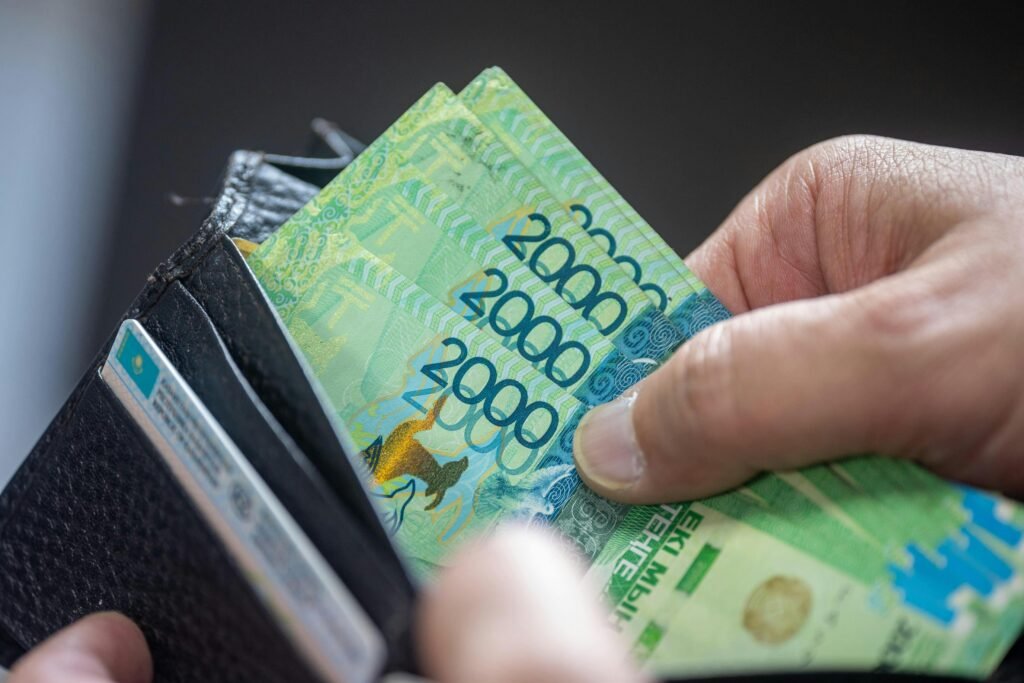
One of the most significant challenges squeezing the middle class is the persistent gap between wage growth and inflation. While wages have increased modestly over recent years, they have not kept pace with the rapid rise in consumer prices. This divergence means that even as individuals earn more on paper, their actual purchasing power diminishes, forcing families to tighten budgets and postpone financial goals.
Data shows that inflation-adjusted wages for many middle-income earners have remained stagnant or declined, even as nominal wages increase. This means that the cost of essentials—housing, food, healthcare, and transportation—consumes a larger share of household income, leaving less for savings or discretionary spending.
🔎 Examining the Impact on American Families
The widening gap between earnings and expenses disproportionately affects middle-class households, who lack the financial buffers enjoyed by wealthier families. Many are forced to rely on credit cards or loans to bridge monthly shortfalls, increasing debt and long-term financial vulnerability.
Moreover, this financial pressure often forces tough trade-offs: delaying home purchases, scaling back retirement contributions, or foregoing healthcare services. These decisions can have ripple effects, affecting long-term economic security and quality of life.
🏦 The Role of Debt and Credit in the Middle-Class Squeeze
💳 Increasing Reliance on Credit Cards
As inflation erodes purchasing power, many middle-class families turn to credit cards to meet everyday expenses. While convenient, this reliance often comes with high-interest rates, leading to growing debt balances that compound financial stress.
Carrying debt limits financial flexibility and increases monthly obligations. The burden of paying interest reduces funds available for other priorities like education, healthcare, or emergencies.
🏠 Mortgage Debt and Housing Costs
Housing debt is a significant factor in the middle-class squeeze. Rising mortgage rates and home prices have pushed monthly payments higher, straining budgets. Many families now allocate a substantial portion of their income to housing, leaving less for other essentials.
The difficulty of managing mortgage payments also means that some families delay refinancing or moving, even when it would be financially advantageous. This can trap them in costly situations that are hard to escape.
🛒 Inflation’s Impact on Everyday Spending
🍎 Food Prices: The Hidden Inflation
Food inflation is a particularly insidious pressure on the middle class. Staples like meat, dairy, and produce have seen price increases that far exceed average wage growth. For families on tight budgets, this forces difficult decisions about nutrition and quantity.
Many turn to bulk buying, discount stores, or less expensive alternatives to stretch dollars. However, these strategies often involve compromises that affect health and quality of life.
⚡ Energy and Transportation Costs
Energy expenses, including electricity, heating, and fuel, have surged due to global supply disruptions and geopolitical tensions. These costs are unavoidable for most families, creating direct pressure on monthly budgets.
Transportation costs also impact the middle class significantly. Rising fuel prices and maintenance costs, coupled with long commutes, mean more money spent on getting to work and managing daily life.
💡 Coping Strategies and Economic Adaptations
📉 Budget Adjustments and Lifestyle Changes
Faced with mounting costs, many middle-class households are making adjustments to their spending habits. This includes cutting discretionary expenses, postponing vacations, and seeking more affordable housing options.
While these measures help manage immediate financial pressures, they can reduce overall quality of life and economic mobility.
🛠️ Financial Tools and Planning
Many families are turning to budgeting apps, debt consolidation strategies, and financial advisors to navigate the squeeze. Learning to manage finances proactively can mitigate some of the stress caused by inflation and wage stagnation.
However, access to financial education and professional guidance is uneven, leaving some families more vulnerable than others.
🔗 How Policy and Structural Changes Could Help
🏛️ Government Role in Protecting the Middle Class
Policymakers have a critical role in addressing the root causes of the middle-class squeeze. This includes initiatives to control inflation, improve wage growth, expand affordable housing, and reform healthcare costs.
Programs like tax relief, increased minimum wages, and stronger labor protections can help boost household incomes and reduce economic vulnerability.
⚖️ The Importance of Addressing Wealth Inequality
Addressing wealth concentration and ensuring fair economic opportunity are essential for reversing the middle-class squeeze. Equitable policies that promote education access, job training, and small business growth can empower families to build long-term financial stability.
Recognizing the interconnected nature of these challenges is key to creating sustainable solutions.
For further insights on how wage growth compares with inflation and its impact on Americans, see this detailed analysis.

🌍 The Broader Economic Forces Affecting the Middle Class
⚠️ Global Supply Chain Disruptions
The recent waves of global supply chain disruptions have sent shockwaves through consumer markets, driving up costs for everything from electronics to groceries. For the middle class, these disruptions mean longer wait times, reduced product availability, and higher prices. Shipping delays and increased transportation costs are passed down to consumers, exacerbating inflationary pressures that squeeze household budgets.
🛢️ Energy Market Volatility
Energy prices have become increasingly volatile due to geopolitical conflicts, changes in production policies, and shifts toward renewable resources. Sudden spikes in oil and gas prices translate directly into higher utility bills and transportation costs. For middle-class families, whose budgets may already be stretched thin, these fluctuations add an unwelcome layer of unpredictability and financial strain.
🏘️ Housing Market Pressures and Long-Term Effects
🔑 Limited Housing Supply and Affordability
The shortage of affordable housing continues to be a critical issue for the middle class. High demand coupled with limited construction of new affordable homes drives prices upward. This scarcity keeps rents and home prices elevated, locking many families into high-cost living situations with little chance of relief.
📉 Impact on Wealth Building
Homeownership has historically been a primary means for middle-class families to build wealth. However, as housing affordability declines, fewer are able to enter the market, and those who do often take on larger mortgages. This delay or denial of homeownership limits wealth accumulation and perpetuates economic disparities.
💼 Employment Trends and Wage Growth Challenges
👔 Shifts in Job Quality and Security
The quality and security of middle-class jobs have shifted in recent decades. Many industries have seen a rise in contract, part-time, or gig work, often lacking benefits and stability. These changes can undermine consistent income streams and complicate financial planning.
📈 The Stagnation of Real Wages
Despite increases in productivity and corporate profits, real wage growth has stagnated for much of the middle class. This stagnation means that income growth fails to keep up with inflation, eroding purchasing power and making it harder to cover everyday expenses.
🧩 Social and Psychological Impacts of the Squeeze
😟 Financial Stress and Mental Health
The ongoing financial pressures contribute significantly to stress, anxiety, and mental health challenges among middle-class families. The struggle to make ends meet while planning for the future creates an environment of uncertainty and worry that can affect overall well-being.
👨👩👧👦 Effects on Family Dynamics
Financial strain often affects family relationships, influencing decisions about child-rearing, education, and social activities. Economic insecurity can lead to postponed life milestones, including marriage and homeownership, altering the traditional middle-class experience.
🌟 Paths Forward: Strategies and Solutions
💡 Individual Financial Planning and Resilience
Building financial resilience through budgeting, saving, and investing is more critical than ever. Many middle-class families are seeking financial education and tools to better manage debt, optimize spending, and plan for long-term goals. While individual actions are vital, systemic changes are also necessary to address structural challenges.
🏛️ Policy Reforms and Economic Initiatives
Government policies targeting affordable housing, healthcare costs, and education funding can help alleviate the middle-class squeeze. Strengthening labor protections and encouraging wage growth are also essential components of a broader solution.
Collaborative efforts among businesses, policymakers, and communities are required to create a sustainable middle-class future. By addressing both immediate financial burdens and long-term economic structures, it’s possible to restore upward mobility and economic security.
For additional insights on inflation’s impact on American households, you can explore this detailed article.
❓ Frequently Asked Questions (FAQs)
Why is the middle class feeling more financial pressure today?
The middle class faces rising costs in housing, healthcare, education, and everyday essentials, while wage growth has stagnated. Inflation further erodes purchasing power, making it harder to maintain living standards.
How does inflation specifically impact middle-class families?
Inflation increases the prices of goods and services, which means middle-class families spend more on basics like food, energy, and rent. When incomes don’t keep pace, families must cut back or take on debt.
Can government policy help relieve the middle-class squeeze?
Yes, policies that improve affordable housing access, control healthcare costs, increase wages, and support education can provide significant relief and promote economic stability.
What can individuals do to protect themselves from inflation?
Individuals can focus on budgeting, saving, investing wisely, and reducing high-interest debt. Financial education and planning for the long term are key strategies to navigate economic challenges.
This content is for informational and educational purposes only. It does not constitute investment advice or a recommendation of any kind.
Stay informed about economic shifts and inflation trends that impact your money: https://wallstreetnest.com/category/economic-trends-inflation/