
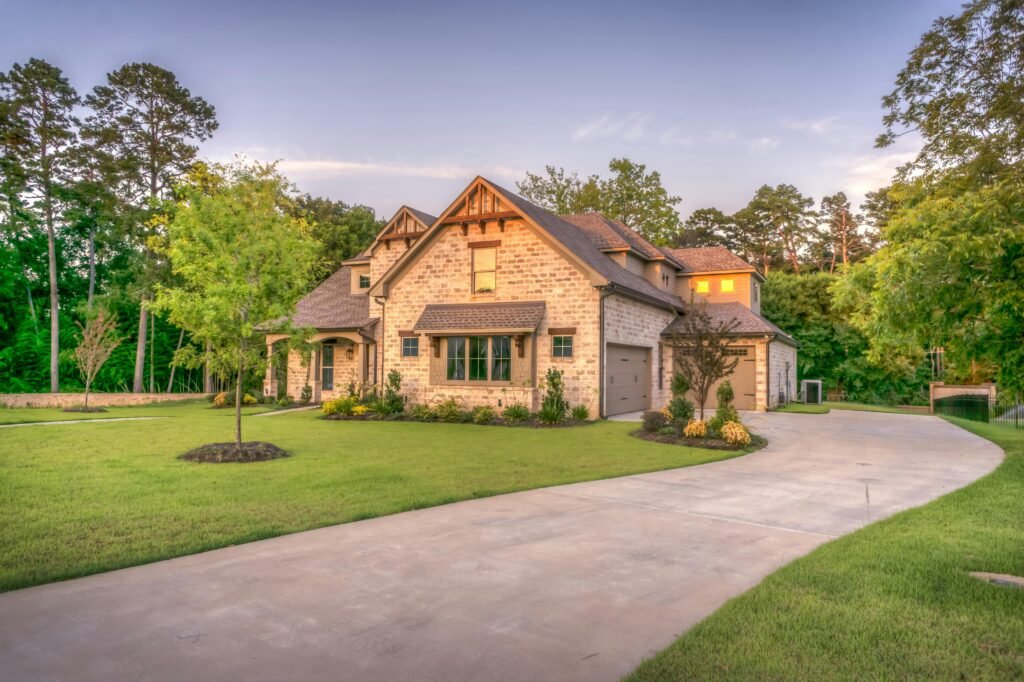
How to Price Your Home to Sell Fast 🏠
Pricing your home to sell fast is one of the most critical steps in the selling process. The right price can attract serious buyers, generate multiple offers, and reduce the time your property spends on the market. Set it too high, and you risk scaring off potential buyers. Set it too low, and you could leave thousands of dollars on the table. In this guide, we’ll walk through the strategies, tools, and mindset needed to price your home competitively while maximizing value.
Understand the Psychology of Home Buyers 🧠
Before diving into spreadsheets or comparable sales, it’s crucial to understand the mindset of buyers. Most buyers don’t just purchase a home—they purchase a lifestyle, a sense of security, and a financial future. Pricing directly influences their perception of value and urgency.
Buyers are typically comparing multiple homes at once, often through online listings. If your price doesn’t align with what they expect based on square footage, location, and features, your home may not even make the shortlist. A well-priced home immediately communicates fairness and can spark bidding wars in the right market.
Use a Comparative Market Analysis (CMA) 📊
One of the foundational tools in home pricing is a Comparative Market Analysis (CMA). This is a report that compares your property to similar homes in the area that have recently sold, are currently on the market, or were listed but failed to sell.
Key elements a CMA evaluates:
- Location: Same neighborhood or school district
- Property size: Square footage and lot size
- Condition: Renovations, upgrades, and maintenance
- Number of bedrooms and bathrooms
- Age of the property
- Special features (e.g., pool, finished basement)
A CMA is typically prepared by a real estate agent, though you can also find similar data through online platforms. For a more personalized and strategic approach, working with a local agent is highly recommended. They not only interpret the numbers but understand buyer behavior in your zip code.
Set a Price Based on Data, Not Emotion 💡
Many homeowners fall into the trap of pricing their homes based on personal attachment or how much they “need” from the sale. Buyers, however, don’t care how much you paid for your kitchen renovation or what you owe on your mortgage. They care about how your home compares to others and whether the asking price reflects reality.
Always ask yourself:
- What would a buyer see if they toured five homes like mine?
- Is my price justified by the current market, or by my own expectations?
By basing your pricing strategy on objective market data, you increase the likelihood of attracting interest quickly and receiving serious offers.
Evaluate Market Conditions 📈
Local real estate markets can shift dramatically in just a few months. It’s important to assess whether you’re in a:
- Seller’s market: High demand, low inventory, rising prices
- Buyer’s market: More supply than demand, price reductions common
- Balanced market: Supply and demand are relatively even
In a seller’s market, you may be able to price slightly above comps. In a buyer’s market, pricing competitively—sometimes slightly below the average—can help you stand out and sell faster. Monitor interest rates, local employment trends, and recent home sale reports from your county or city for context.
The Power of Strategic Pricing Psychology 💵
Certain price points can drastically affect how your listing performs online. Pricing your home at $299,000 instead of $301,000, for example, makes it visible to buyers who set their filters at $300,000 or less.
Common pricing strategies include:
- Round numbers: $250,000, $300,000
- Tactical underpricing: $299,900 instead of $300,000
- Bracket pricing: Listing at the top or bottom of a buyer’s search range
Online listing platforms (like Zillow or Redfin) often display homes within preset price ranges. If you cross a threshold—say, pricing at $505,000 instead of $499,000—you may miss an entire pool of potential buyers.
Don’t Overprice to “Leave Room for Negotiation” 🚫
It’s a common misconception that starting high gives you flexibility to negotiate down. In reality, homes priced too high often sit on the market longer, leading to price drops that make buyers suspicious. Over time, your listing may be perceived as stale—even if it’s a great home.
Instead of starting high and hoping for offers, aim for a price that aligns with the current market and feels competitive from day one. In fast-moving markets, well-priced homes can receive multiple offers, sometimes even above asking.
Consider Pricing Slightly Below Market for Faster Offers ⚡
This strategy may sound counterintuitive, but pricing your home just slightly below market value can drive significant interest. When buyers perceive a deal—or fear missing out—they act quickly. This often results in a bidding war that drives the price back up or even above your original target.
It works especially well in:
- Hot markets with low inventory
- Areas where homes are selling in under 30 days
- Neighborhoods with high demand from young professionals or families
While you should consult your agent before deploying this approach, it’s a powerful tactic for generating momentum early in your listing.
Factor in Time of Year 🗓️
Real estate is a seasonal business. Spring and early summer are typically the hottest months for home sales, while late fall and winter tend to be slower. Pricing your home to sell fast means being mindful of how the season impacts buyer behavior.
Tips by season:
- Spring (March–May): Most active buyers, strong pricing potential
- Summer (June–August): Still active but more competition
- Fall (September–November): Slower pace, buyers more serious
- Winter (December–February): Fewer showings, need for sharper pricing
If you’re listing outside the spring-summer window, pricing slightly more competitively can make up for reduced foot traffic.
Get a Professional Appraisal 🧾
While not always required, hiring an independent appraiser before listing your home can offer valuable peace of mind. An appraisal provides an unbiased estimate of your home’s market value, considering local comps, property features, and broader economic trends.
The benefits:
- Avoid overpricing and underpricing
- Strengthen negotiations with buyers
- Reduce surprises during the buyer’s appraisal
An appraisal typically costs between $300 and $600 but can save you far more in avoided price reductions or lost time.
Work With a Knowledgeable Real Estate Agent 🤝
Choosing the right agent can make or break your pricing strategy. A strong agent understands not only your local market but also how to position and market your home for optimal results. They will run CMAs, help stage the home for perceived value, and negotiate effectively on your behalf.
You can learn more about how to evaluate and choose the right expert through this helpful guide:
https://wallstreetnest.com/how-to-choose-the-best-real-estate-agent-near-you
A quality agent won’t just agree with your preferred price—they’ll challenge assumptions, support their pricing with data, and ultimately guide you to a number that reflects both market potential and your goals.
Include Incentives for Buyers 🎁
Sometimes pricing alone isn’t enough. If you’re slightly above the median price point, consider offering incentives that sweeten the deal. These might include:
- Covering a portion of closing costs
- Offering a home warranty
- Including appliances or furniture
- Flexible move-in dates
Small perks can make a big difference in buyer perception, especially in competitive markets. They show flexibility and goodwill without necessarily lowering your list price.
Track Days on Market (DOM) Closely ⏱️
One of the most critical metrics when pricing a home is Days on Market (DOM). The longer a home sits unsold, the more leverage shifts to the buyer. Many buyers assume a long DOM means something is wrong—whether that’s the price, condition, or location.
If your home hasn’t received serious offers after 2–3 weeks, it’s time to re-evaluate your price or presentation. Don’t let pride delay necessary adjustments. Speed matters when trying to sell quickly and at top value.

🔍 Analyze Comparable Listings and Adjustments
Next, refine your pricing approach by diving deeper into comparable active and pending listings. While a CMA covers recent sales, active listings reveal current competition. Compare homes similar to yours in size, location, age, and condition.
👉 Create a comparative table to visualize this:
| Comparable Property | Size (sq ft) | Beds/Baths | List Price | Days on Market | Price per sq ft |
|---|---|---|---|---|---|
| 123 Maple St | 1,800 | 3/2 | $310,000 | 45 | $172 |
| 456 Oak Ave | 1,900 | 3/2.5 | $325,000 | 30 | $171 |
| 789 Pine Dr | 1,850 | 3/2 | $300,000 | 60 | $162 |
With this data, calculate your property’s price per sq ft and determine whether you should position slightly above, below, or in line with the competition. Consider renovating features or staging to push your value higher if local comps show strong buyer interest.
🏡 Optimize Home Presentation to Justify Price
When buyers tour your home—virtually or in person—they’ll try to assign value based on what they see. Small improvements before listing can help justify a stronger asking price:
- Fresh paint in neutral tones
- Updated lighting fixtures and hardware
- Decluttered and well-staged rooms
- Clean and maintained outdoor areas
- Professional-quality listing photos and virtual tours
These upgrades don’t always require a heavy budget but can influence perceived value significantly. Buyers often equate pristine, move-in-ready homes with fewer hidden costs and fewer headaches post-sale.
💸 Determine Your Pricing Band
Now that you have CMA data, active listings, and staging improvements, decide on your pricing strategy:
- Above market (if demand is high and comps aren’t overpriced)
- At market for balanced exposure
- Slightly below market to attract competition
If your adjustments and staging push your presentation above average, listing slightly higher may be viable. Otherwise, modestly undercutting the average can attract more traffic and offers.
📝 Structure the Listing Price with Psychological Pricing
Continue using tactical pricing psychology in your listing:
- Use endpoints like “.9” or “.99”
- Place your price at the bottom of popular search ranges
- Avoid awkward thresholds like $400,000+ when that excludes price-sensitive buyers
A price like $314,900 can look more accessible than $315,000, and it also appears in more search results.
📣 Market Exposure and Open Houses
Broad exposure helps validate your price. Consider scheduling professional open houses, broker tours, and virtual showings early in the listing phase. Coordinate with your agent to:
- Host the listing on multiple major platforms
- Share through social media and real estate groups
- Offer well-timed showings (weekends and pre-dusk viewings)
Early exposure helps winnow out casual shoppers and attract serious buyers familiar with the current price environment.
🔄 Adjust Strategically Based on Feedback
As showings proceed, collect feedback from agents and potential buyers regarding price perception. Be open to adjusting quickly:
- If many think it’s overpriced, consider a small immediate adjustment.
- If buyers are pleasantly surprised and submitting offers, maintain your price or evaluate minor upward adjustments.
Respond to feedback within 7–10 days to maintain listing momentum. Prompt action signals to the market that you’re serious about selling rather than holding out.
💰 Factor Investor and Cash Offers
Some buyers—especially investors or cash buyers—expect discounted pricing due to quick closings or property condition. If you’re aiming to sell fast and with certainty, pricing with slight flexibility for such offers can help:
- Accept a cash offer at a small discount (~2%)
- Consider investor interest if the property needs rehab or is suitable for rental
Still, stay realistic: too much discount may attract investors but scare away retail buyers.
📄 Leverage Buyer Pre‑Approval as Leverage
Requests to show the home without proof of funds or pre‑approval? Politely request that prospective buyers submit financial documentation. A metric like multiple pre‑approved buyers signaling strong demand allows you to justify the price. It shifts the focus from negotiation over price to negotiation over terms.
📅 Timeline Pricing Strategy ⏳
If your goal is to sell within a specific timeline (e.g., 30 days), consider:
- Price slightly below market to stimulate immediate offers
- Adjust downwards by 1–2% every 7–10 days if no activity
- Reassess strategy at week three: staging, agent tactics, or small incentives
Timing and pricing must be aligned: there’s no benefit in holding out for perfect terms and leaving your home lingering on the market.
🏬 Monitor Local Economic and Mortgage Trends
Real estate is impacted by broader factors:
- Mortgage rates: Rising rates limit buyer purchasing power
- Local economic growth or decline: Job growth, new employers, new schools
- Inventory shifts: New subdivisions or rental construction nearby
Regularly review economic reports for your area and local real estate news to understand pricing implications.
📉 Avoid Common Overpricing Pitfalls
Common mistakes that lead to overpricing:
- Pricing based on what you owe or what you paid
- Ignoring buyer psychology and price filters
- Discounting feedback or leaving price unchanged for too long
- Underestimating the impact of DOM on perception
By maintaining data-driven analysis and responsiveness, you can avoid these traps and keep your listing competitive.
🤝 Partner with a Strategic Agent and Align on Price
Working with a seasoned agent is not just about listing exposure—it’s about strategic pricing timing. Many modern agents invest in marketing analytics and buyer behavior tools. If you’re uncertain about the right price strategy or adjustments, they offer the expertise to pivot quickly and accurately.
They also help with negotiation to ensure you don’t settle too low once offers arrive. For help evaluating agent strategies and alignment, see this guide:
https://wallstreetnest.com/first-time-buyers-roadmap-how-to-purchase-a-home-in-the-us
✅➡️ A trusted agent provides insight into how offers relate to your pricing strategy and ensures your expectation matches the market’s pulse.
🏅 Use Incentives Tactically Near Closing
As closing approaches, there’s room for subtle incentives without changing list price:
- Home warranty coverage for the first year
- Flexible closing date or rent-back options
- Selling inclusions, such as appliances or custom features
These non-price perks can close deals faster while maintaining your price integrity.
🌱 Evaluate Buyer Offers with Timing and Terms
Finally, when offers arrive, don’t simply focus on highest price. Evaluate:
- Offer timeline: Preferred closing date vs yours
- Contingencies: Appraisal, inspection, financing
- Deposit size and strength of buyer: Pre-approved, cash, investor
- Overall terms balance
Sometimes a slightly lower offer with fewer contingencies can lead to a faster, smoother closing—minimizing days on market and avoiding price reductions.

📲 Digital Tools to Track Your Home’s Value
To stay on top of market shifts and price strategy, leverage digital valuation tools. While they shouldn’t be the sole basis of your pricing, they can give you insight into trends and buyer interest.
Useful platforms include:
- Online home estimators from major real estate websites
- Market reports provided by your real estate agent
- Buyer engagement data from your listing’s analytics
- Mortgage calculators for buyers’ affordability ranges
If you’re listing your home yourself or want to check the agent’s suggested price, these tools can help verify the numbers. However, don’t rely solely on algorithms—real-world local expertise is still essential.
📉 When and How to Reduce Price Without Losing Momentum
Sometimes, even with solid research, your original list price doesn’t attract the interest you hoped for. If you’re not getting showings or offers in the first 10–14 days, it may be time to act.
How to reduce price strategically:
- Lower it once, meaningfully, rather than through multiple small drops.
- Time the reduction to coincide with a new marketing push.
- Pair the price change with “New Price!” banners on your listing and social media.
- Update photography or headline to refresh the listing’s impact.
Avoid repeated micro-adjustments, which can make buyers wonder what’s wrong with the home. A single reduction of 2–5% is often more effective than three 1% cuts over a month.
📦 The Role of Staging and Presentation in Justifying Price
In addition to the listing price, the visual and emotional appeal of your home heavily influences perceived value. Professional staging helps buyers envision themselves living there—leading them to justify the price emotionally, not just rationally.
Staging benefits include:
- Creating emotional resonance in online photos
- Making rooms feel larger, brighter, and more functional
- Highlighting your home’s best features and minimizing flaws
Even partial staging (e.g., the living room, primary bedroom, and kitchen) can go a long way. If staging isn’t possible, virtual staging through AI tools or editing software is a viable alternative to add appeal to your listing.
🧮 Review Offer Scenarios With Net Sheets
Before you accept any offer, work with your real estate agent or attorney to create a seller’s net sheet. This breakdown shows exactly how much you’ll walk away with after accounting for:
- Mortgage payoff
- Property taxes and prorations
- Agent commissions
- Transfer taxes or title fees
- Repairs or credits
- Moving costs
Two offers at the same price may result in vastly different outcomes depending on contingencies, concessions, and terms. Reviewing net sheets helps you select not just the best price—but the best deal.
📢 Communicate Price Adjustments Clearly With Your Agent
If you do decide to change the price, make sure the adjustment is communicated widely. Your agent should update the MLS, relist it to syndication platforms (like Zillow and Redfin), and announce it on email lists and social channels.
Additional tactics to amplify your price update:
- Host another open house the weekend after the drop
- Retarget prior buyers or agents who showed interest
- Use email alerts to notify subscribers of the update
This surge in visibility ensures that your adjustment doesn’t go unnoticed—and helps you recapture momentum with buyers who may have passed on your listing initially.
🗣️ Consider Buyer Feedback Even if It’s Indirect
Buyers don’t always provide formal feedback, but their actions speak volumes:
- Canceling showings without explanation
- Asking if you’re open to price drops before touring
- Submitting lowball offers without context
Even passive signals like extended DOM without contact or consistent drop-offs after showings can be interpreted as resistance to price or condition. It’s essential to remain open-minded and analytical, rather than defensive or emotional.
🧭 Price Anchoring and the Power of Comparables in Negotiation
Buyers often compare your price to others they’ve seen—even ones they didn’t like. If their favorite comparable was $295,000 and yours is $310,000, you may struggle unless you show clearly why your home is worth more.
Use anchored pricing to frame your home’s value:
- Point out upgrades or better finishes than other listings
- Highlight lot size, school district, or energy efficiency
- Reinforce lower utility or maintenance costs
This can justify your asking price even in direct price comparisons, making buyers feel more comfortable offering near or at list price.
💬 Final Negotiations: Be Firm, But Open
Once a buyer submits an offer, don’t just jump at the price or dig in on your number. Evaluate their terms and maintain open dialogue. If you priced your home correctly from the beginning, you should receive a fair offer. Now, it’s about closing the gap.
- Consider splitting the difference on minor discrepancies
- Offer to cover specific closing costs in lieu of a price reduction
- Be open to quick counteroffers, especially when multiple offers are in play
At this point, time is of the essence. The longer negotiations drag on, the more uncertain both parties become. A firm yet flexible approach often yields better outcomes.
Selling Your Home Isn’t Just About Numbers—It’s About Strategy and Confidence 🧭
Pricing your home to sell fast isn’t about undercutting your neighbors or racing to the bottom. It’s about understanding your market, presenting your property in the best possible light, and using data to make confident decisions.
The goal is to find the sweet spot: a price that reflects your home’s real value, attracts motivated buyers, and gives you the return you deserve—without wasting time, money, or opportunity.
By approaching your pricing strategy with knowledge, flexibility, and intention, you’ll set the stage for a fast, successful, and rewarding sale.
🧠FAQ: How to Price Your Home to Sell Fast
What is the best way to determine the right price for my home?
The best method is a Comparative Market Analysis (CMA) provided by a qualified real estate agent. It compares your home to recent sales, active listings, and expired properties to determine a competitive price based on size, location, features, and condition.
How quickly should I adjust the price if I’m not getting offers?
Most experts recommend waiting 10–14 days. If you’re getting no showings or offers, a timely price adjustment (2–5%) can renew interest. Don’t wait too long—homes that linger on the market often develop a “stale” reputation.
Should I price my home under market value to sell faster?
In a hot market, slightly underpricing can create urgency and trigger multiple offers, which may drive the final price higher. However, in a slow market, this could backfire. Always consult with your agent and understand local demand before using this tactic.
Does staging really help justify a higher price?
Yes, staging creates emotional appeal and helps buyers envision themselves in the space. Professionally staged homes often sell faster and for higher prices because they appear more valuable, well-maintained, and move-in ready.
This content is for informational and educational purposes only. It does not constitute investment advice or a recommendation of any kind.
Explore the world of real estate investing and smart home decisions here:
https://wallstreetnest.com/category/housing-real-estate