
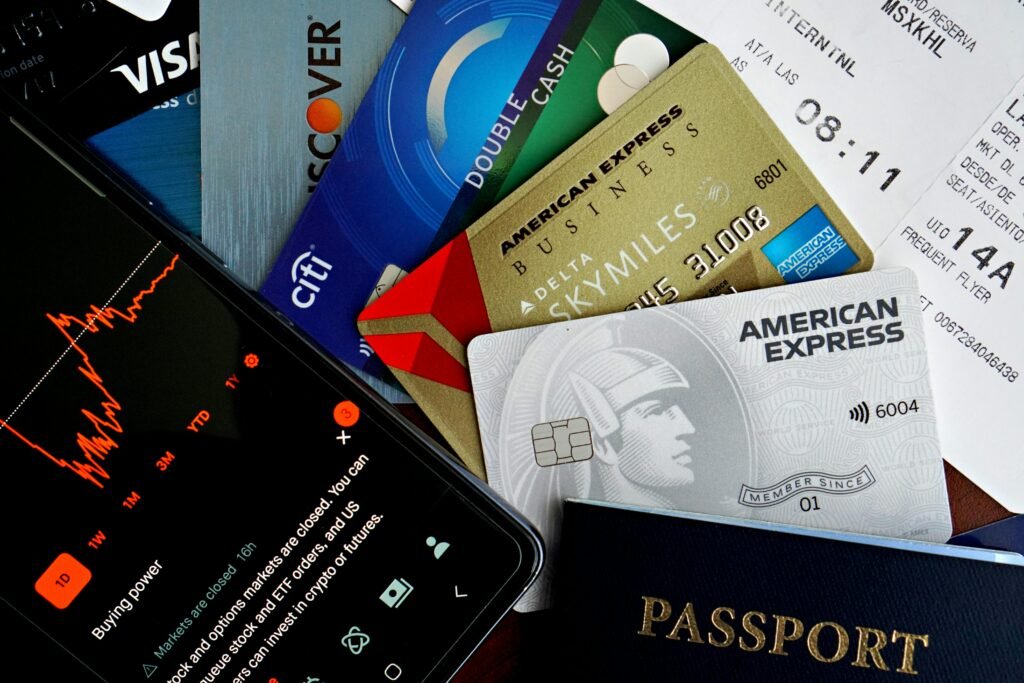
🛫 Airport Lounge Access: A Luxury Worth Mastering
Airport lounges have long been seen as the epitome of travel luxury. With private seating areas, complimentary food and drinks, high-speed Wi-Fi, and quiet spaces to recharge, they promise an elevated travel experience. But while access can feel like a VIP upgrade, it’s easy to fall into the trap of paying more for convenience than you truly need to. Using lounge access wisely means balancing comfort with cost—and knowing when it actually adds value to your journey.
In today’s market, lounge access comes bundled with credit cards, elite travel programs, and paid memberships. Yet many travelers don’t stop to ask: Am I using this benefit intentionally? Or am I overpaying for something that looks luxurious but rarely fits into my routine?
💳 Understanding How Lounge Access Is Offered
There are four main ways travelers typically gain entry to airport lounges:
- Premium credit cards (e.g., Amex Platinum, Chase Sapphire Reserve)
- Airline elite status or business/first-class tickets
- Paid lounge memberships (e.g., Priority Pass, airline clubs)
- One-time passes or pay-per-visit options
Each comes with different costs and limitations. Some offer unlimited visits; others cap usage or restrict guest access. Before committing to a lounge program, it’s essential to understand your own travel habits and whether the perks align with your lifestyle.
📅 Audit Your Travel Patterns First
Before enrolling in any lounge program or signing up for a premium card, conduct a personal travel audit. How often do you fly? Are your flights mostly domestic or international? Do you experience long layovers, early morning departures, or frequent delays?
If you’re only flying a few times a year—and typically for short trips—then paying $500 or more annually for lounge access may not provide enough value. On the other hand, frequent flyers with long itineraries can extract significant benefits from the comfort, food, and productivity time lounges offer.
📊 Sample Travel Audit Table
| Month | Flight Count | Average Layover | Lounges Visited |
|---|---|---|---|
| January | 2 | 1.5 hrs | 0 |
| March | 1 | 3 hrs | 1 |
| June | 3 | 2 hrs | 2 |
This table helps clarify if lounge access is a lifestyle fit or an aspirational luxury that rarely justifies the cost.
💡 Know the True Value of Lounge Benefits
Many lounges offer value beyond just relaxation. Free meals can offset overpriced airport food. Showers help refresh between long flights. Quiet spaces let you work or recharge. Yet all these benefits only matter if you actually use them.
If your typical lounge visit involves grabbing one soda and a granola bar before boarding, the value may be minimal. However, if you routinely have 3-hour layovers where you eat a full meal, catch up on emails, or nap before a red-eye, the financial return improves significantly.
🧮 Estimating Lounge Value Per Visit
Try calculating your average value per visit:
- Food & beverages consumed: $20–$30
- Wi-Fi and workspace: $10
- Comfort & convenience: subjective but real
If your lounge pass costs $500/year and you visit 10 times, that’s $50 per visit. Is each experience truly worth that?
🔁 Use Credit Cards Strategically to Offset Lounge Costs
Premium credit cards often bundle lounge access as part of a broader rewards package. If chosen wisely, these cards can provide exceptional value—especially when travel perks, insurance, and rewards points are also considered. However, they often come with high annual fees, and the key is to ensure you’re fully maximizing what’s offered.
As discussed in this guide on maximizing credit card rewards, a strategic approach can turn premium fees into high-value returns when you match card perks with real-life usage patterns.
⚖️ Annual Fee vs. Annual Benefit Evaluation
When selecting a travel card with lounge access, compare the annual fee to your expected usage:
- Amex Platinum: $695 fee, includes Centurion Lounges, Priority Pass, and more
- Chase Sapphire Reserve: $550 fee, includes Priority Pass + other perks
- Capital One Venture X: $395 fee, includes Capital One Lounges + credits
If you don’t use enough of the benefits, even the best card becomes a net loss. But if you fly monthly or make use of travel insurance, lounge access, and points earning, it can easily pay for itself.
🧭 Avoid the Trap of Overvaluing Prestige
Lounge access has become a status symbol for many travelers. But status doesn’t pay the bills. Spending thousands just to feel elite—when you rarely fly—can quietly sabotage your broader financial goals. Comfort is worthwhile. But only when it complements, not compromises, your long-term stability.
🎯 Ask Yourself These Questions
- Am I signing up for access because I’ll use it—or because I want to feel important?
- Do I value quiet productivity or just the aesthetic?
- Can this money be better spent on an upgrade, experience, or investment?
Honest reflection helps prevent emotional or status-driven decisions masked as smart financial moves.
🏷️ Understand Guest Policies and Hidden Charges
Even with a premium card or lounge membership, bringing guests may incur extra fees. Many cards allow 1–2 guests per visit, but some charge $32–$50 per additional person. Families or group travelers may find the cost adds up quickly.
Additionally, some Priority Pass lounges exclude certain amenities like restaurant credits in the U.S., and not all lounges are created equal in terms of food, space, or cleanliness. Always review the fine print of your membership to avoid surprises.
🧾 Evaluate Lounge Access Like Any Subscription
Would you keep paying for Netflix if you only watched one movie every three months? Apply the same logic to lounge memberships. The fewer times you use it, the higher the effective cost per visit. And that math matters.

📉 Minimizing Unnecessary Costs Around Lounge Access
While lounge access feels luxurious, many travelers overlook the incidental expenses that come with it—parking fees, transportation to the airport early enough to use the lounge, food outside the lounge, or even pre-trip hotel stays just to catch an early flight. These add-ons often offset the value of the lounge completely.
Think critically: is the lounge access itself creating efficiency and convenience, or is it prompting preemptive costs that undercut financial discipline?
🚗 Factor in Travel Logistics Too
If gaining access implies arriving hours earlier, paying car storage, or compromising sleep—then the tangible benefits may melt away. Savings aren’t just about reward redemption value; they’re about time, opportunity, and minimizing friction in your travel routine.
🔍 Compare Alternatives to Paid Lounge Access
Not all relaxing airport environments cost hundreds per year. Many airports now offer free or low-cost options such as business centers, plazas with free workspaces, or even pay-per-use lounges that may better suit infrequent flyers.
🪑 Choose Pay‑Per‑Use When It Matches Your Usage
If you only fly twice a year or have short layovers, it may be smarter to buy a lounge pass on the fly rather than pay for an annual membership. That way, you only incur the expense when the timing justifies it.
💡 Use Complimentary Access via Elite Status or Airline Tickets
If you frequently fly with the same airline or alliance—and especially if you fly business or first class—you may already have lounge access without mobile cards or memberships. In this case, paying extra is redundant.
✈️ Let Loyalty Work for You
Stick with flights and alliances that reward frequent flyers with lounge access. That loyalty often brings frequent access plus other perks like upgrades or priority boarding—without additional cost.
🧠 Think of Lounge Access As Behavior, Not Just Benefit
Having lounge privileges can nudge you toward longer layovers or earlier flights—just to justify the benefit. While this may offer comfort, it can erode productivity or even reduce time with family, friends, or work. Make sure the lounge access doesn’t change your behavior in ways that cost more than it saves.
🗣️ Align Access With Your Travel Purpose
If your goal is to be efficient, opt for shorter layovers and move quickly through terminals—even at the cost of skipping lounge time. Reserve use only when downtime aligns with productive, restful, or wellness-driven intentions.
🍽️ Maximize Lounge Dining—but Don’t Let It Dictate Your Meals
Some travelers rely on lounge food to bypass airport restaurants entirely, but this can backfire if lounges only offer snacks or light options. If you end up eating again—or choosing subpar snacks—you lose potential value.
🧾 Check Menu Options Before You Go
Browse lounge reviews and menus ahead of time. Some provide full meals, while others offer minimal fare. Choose the lounge that aligns with your dietary needs or treat the access as a supplement—not a meal plan.
💼 Combine Lounge Access With a Broader Financial Strategy
Lounge entry is only one piece of a larger puzzle. Pairing lounge benefits with strong financial habits amplifies value. As explained in this guide on maximizing credit card rewards, aligning card perks with lifestyle patterns avoids financial waste and ensures true returns.
🔑 Use Lounge Credits Where Available
Many cards offer annual lounge credits—sometimes as travel statement credits, airline fee reimbursements, or food allowances within lounges. Track and redeem these credits proactively or risk letting them expire unused.
🚪 Avoid Overcommitment to Multiple Lounge Programs
Stacking memberships—like airline-specific clubs plus Priority Pass plus paid cards—can create overlap, redundancy, and confusion. You’ll pay multiple fees but only use one set of lounges, increasing your cost without added benefits.
📎 Keep It Simple, Keep It Effective
Choose one primary lounge access path: whether a best-fit card, airline status, or occasional pay-per-use. This minimizes fees while preventing decision fatigue and wasted perks.
🔄 Track Visits, Use Stats to Optimize
Keep a simple log: date, airport, lounge used, cost (if any), and perceived benefit. After a few trips, assess whether the cost per visit aligns with the experience you hoped for—and whether your pattern supports continuing the service.
📊 Sample Visit Log Table
| Date | Airport | Usage | Benefit Score |
|---|---|---|---|
| 2025‑02‑15 | JFK | Business Lounge | 8/10 ($45 meal, quiet workspace) |
| 2025‑05‑07 | MIA | Priority Pass | 6/10 (snacks & Wi‑Fi) |
| 2025‑07‑20 | LAX | Paid Pass | 7/10 (showers + coffee included) |
This data gives clarity on which membership or card is delivering real value—and which is draining budget unnecessarily.
🧭 Lounge Access as a Symbol of Financial Empowerment
When used intentionally, lounge access can reflect more than just comfort—it can represent control, discernment, and a mature relationship with money. The decision to enjoy luxury perks without falling into emotional spending or social comparison is a true mark of financial empowerment.
That empowerment isn’t measured by how many lounges you visit, but by whether each visit aligns with your goals. It’s the awareness that abundance doesn’t always mean more—it often means enough. That’s the foundation of a lifestyle rooted in peace, rather than performance.
🔐 Reclaiming Financial Agency in a Luxurious World
As explored in this article on building financial empowerment, making confident decisions about what to pay for—and what to pass on—is one of the most powerful financial skills you can develop. Lounge access becomes one more opportunity to practice discernment, not indulgence.
🛠️ Practical Tips to Use Lounge Benefits Without Overspending
Whether you’re already enjoying complimentary access or considering upgrading your travel experience, small habits can make a big difference in maximizing the benefit while avoiding unnecessary costs.
📝 5 Rules for Lounge Use Without Financial Waste
- Match benefit to need: Use lounges when you have long layovers or red-eyes—not just because you can.
- Calculate per-visit value: Track meals, services, and time saved to ensure return on investment.
- Avoid stacking memberships: Choose one source of access (credit card, ticket class, or paid pass) and use it fully.
- Don’t let perks shape behavior: Let trip purpose dictate your schedule—not the lounge availability.
- Be flexible, not loyal: Not all lounges are equal—choose the one that best fits each airport and trip.
🧘 Emotional Wellness Over Aesthetic Luxury
The most powerful form of luxury is feeling calm, rested, and respected in how you travel. If lounge access brings joy, productivity, and self-care, it’s a worthwhile investment. If it adds pressure, obligation, or guilt, it’s time to reassess.
Not every trip needs a five-star experience. Sometimes, true luxury is sitting by the gate, sipping water you brought from home, feeling confident that you’re in control of your financial choices.
🌿 Less Guilt, More Clarity
When financial decisions are made from alignment—not anxiety—they naturally support your wellbeing. Whether you skip the lounge or enjoy it fully, let the choice come from confidence, not comparison. That’s the most sustainable way to integrate luxury into a disciplined financial life.
🏁 Conclusion
Lounge access isn’t inherently wasteful—but it’s not inherently valuable either. The difference lies in how you use it. When aligned with your lifestyle, habits, and financial goals, it becomes a supportive benefit—not a hidden drain.
Mastering lounge access is about mastering yourself. It’s about choosing experiences that serve your peace, not your ego. And it’s about remembering that luxury should amplify freedom—not undermine it. In a world where we’re constantly sold upgrades, sometimes the most powerful thing you can do is pause—and choose with intention.
❓ FAQ
Q: Is lounge access really worth the annual credit card fee?
It depends on your travel frequency and lifestyle. If you travel often with long layovers, lounge access can easily offset the fee. But if you fly infrequently, the cost may outweigh the benefits unless paired with other card perks you regularly use.
Q: How can I avoid overspending just to justify my lounge membership?
Stick to your normal travel schedule. Don’t book longer layovers or premium flights just to use the lounge. Evaluate the value based on real need—not perceived loss. Use tracking tools to keep lounge usage intentional, not habitual.
Q: Are all lounge experiences the same across airports?
No. Lounge quality varies significantly by location and provider. Some offer hot meals, spa services, and showers, while others provide only snacks and coffee. Read reviews or check menus before planning your trip around a specific lounge.
Q: What’s the best lounge strategy for someone who travels 3–5 times per year?
Consider cards with lower annual fees that include lounge access, or use pay-per-visit lounges. This gives you the option without committing to high-cost memberships. Focus on maximizing value during each visit instead of maintaining status.
This content is for informational and educational purposes only. It does not constitute investment advice or a recommendation of any kind.
Learn to manage wealth with discipline while enjoying luxury by design here: