

🪑 Why Luxury Furniture Can Be a Smart Investment
Luxury furniture is more than just aesthetic—it can be an asset. In a world where fashion and tech depreciate fast, high-end furniture holds surprising power to retain and even increase its value over time. This makes it an attractive option for those looking to combine personal enjoyment with long-term financial sensibility.
Unlike mass-produced items, luxury pieces are often crafted from superior materials, designed with timeless appeal, and built with durability in mind. These characteristics not only enhance the immediate experience of ownership but also boost resale value. In the right conditions, a well-kept designer piece can sell for close to its original price—or more—decades later.
📐 What Defines “Resale Value” in Furniture?
Resale value refers to the price a piece of furniture can fetch in the secondary market. It depends on several factors: brand recognition, design relevance, condition, material quality, and market demand. While some buyers focus solely on emotional appeal or design preference, savvy collectors look for pieces that serve both lifestyle and wealth-building purposes.
For furniture to qualify as “investment-grade,” it must strike a balance between beauty, functionality, and historical or cultural value. A sofa from a revered designer or a table crafted from rare wood can appreciate in value if preserved well and presented to the right buyer.
🌟 Iconic Brands That Retain or Grow in Value
Certain names in the luxury furniture industry consistently outperform others in the resale market. These brands are known for craftsmanship, exclusivity, and status appeal. Some of the top names include:
- Herman Miller – Known for ergonomic and innovative office furniture, particularly the iconic Eames Lounge Chair.
- Knoll – A favorite in modern design, especially for minimalist office and living room pieces.
- Roche Bobois – A global leader in high-end contemporary furniture with a strong resale presence in urban luxury markets.
- Baker Furniture – Associated with timeless craftsmanship and often sought after by vintage collectors.
- Fendi Casa and Bentley Home – Merging fashion and furniture, these brands appeal to luxury lifestyle connoisseurs.
Buyers are willing to pay a premium for brands that represent more than just furniture—they represent heritage, design integrity, and exclusivity. This emotional and symbolic value adds to the actual market worth of each piece.
🛠️ Construction Quality and Materials Matter
One of the primary drivers of resale value is quality. Solid hardwood frames, high-end fabrics, full-grain leathers, and hand-applied finishes make a huge difference in durability and perception. Softwoods, veneers, or mass-produced pieces often suffer both physically and financially over time.
Joinery methods such as mortise and tenon, dovetail, and dowel joinery indicate expert craftsmanship and long-term structural integrity. These features make a piece more desirable on resale platforms or through interior designers who source for high-net-worth clients.
🖼️ Style vs. Trend: Timeless Design Sells
Styles come and go, but timeless pieces hold their value. Mid-century modern, Art Deco, Scandinavian, and minimalist designs tend to perform well in the resale market. Their clean lines and adaptable forms blend easily into many aesthetics, widening the buyer pool.
Trend-based furniture, like bold colors or gimmicky shapes, may capture attention short-term but are harder to resell once the fad fades. A neutral-toned leather sectional or a streamlined walnut credenza is more likely to attract offers years later.
📦 Original Packaging and Provenance Add Value
If you want to maximize resale potential, keep documentation and packaging when possible. A certificate of authenticity, original invoice, or even the brand’s care manual can strengthen buyer confidence. Provenance (the history of the item’s ownership) adds an extra layer of trust and sometimes rarity, especially for limited-edition or vintage pieces.
Collectors and investors often seek furniture that comes with a story. If the piece was part of a designer’s first collection or owned by a notable individual, it may fetch a significantly higher resale price.
📍 Where and How You Buy Affects Future Resale
Purchasing luxury furniture through the right channels can influence resale success. Authorized dealers and flagship brand stores often provide more detailed documentation, better customer service, and access to limited or exclusive pieces. These factors build resale confidence and increase authenticity verification later on.
On the flip side, buying from auctions or secondhand markets can offer lower entry prices—but only if the buyer is well-informed. It’s critical to inspect the condition, research the item’s resale history, and compare market rates. Like with real estate, buying furniture at the right price is the key to profit later.
📈 High-Traffic Pieces vs. Decorative Investments
Some furniture holds value better than others based on usage. Accent chairs, credenzas, sideboards, and coffee tables tend to stay in better condition and preserve their resale appeal. In contrast, heavily used items like beds, mattresses, and sofas are more prone to wear and less attractive in the secondhand market—unless they’re iconic pieces or recently refurbished.
Consider investing in pieces that serve both form and function while avoiding furniture that deteriorates quickly from everyday use. Decorative pieces with minimal physical stress tend to perform better as investments.
💰 Tax Implications When Selling Investment Furniture
Although often overlooked, selling high-value furniture may come with tax considerations. Depending on your state and local laws, resale could trigger capital gains taxes or require sales tax collection. It’s important to track purchase prices, resale dates, and keep documentation in case of audits or reporting requirements.
For a deeper understanding of how taxes interact with high-end sales, this resource offers useful guidance: What You Need to Know About Sales Tax in the U.S.
🧾 Organizing Records for Resale Profit
To avoid confusion and improve your negotiating power later, store invoices, appraisals, and certificates in one place. Taking professional photos of your furniture in clean, well-lit settings also increases perceived value when listing the item online or presenting to a buyer.
Platforms like 1stDibs, Sotheby’s Home, and Chairish cater to high-end buyers and provide global reach. These marketplaces favor items with clear documentation, excellent condition, and consistent brand credibility.
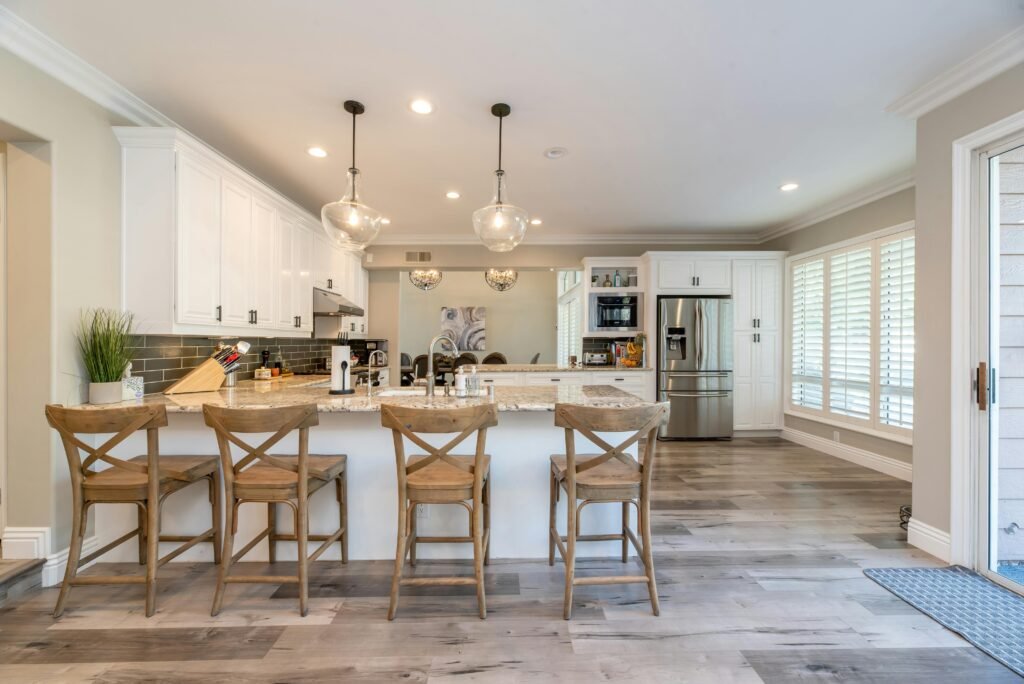
🏡 The Role of Luxury Furniture in Real Estate Value
Luxury furniture isn’t just about aesthetics—it plays a strategic role in real estate value appreciation. In premium properties, the presence of thoughtfully selected, high-end furniture can elevate the entire experience and drive up both rental rates and resale prices. For homeowners, landlords, and real estate investors, this turns furnishings into more than décor—it makes them part of the asset strategy.
When selling or leasing a high-value home, potential buyers and renters don’t just see a space—they experience a lifestyle. The right furniture can help buyers imagine themselves living in the space, reinforce quality perceptions, and justify higher asking prices. That’s why staging professionals often work with designer pieces: they anchor perceived value in visual and emotional appeal.
🛋️ Furnished Listings Attract Wealthier Buyers
Many buyers, especially in competitive urban or international markets, seek move-in-ready properties. Listings that include luxury furnishings often stand out. A well-furnished penthouse, modern villa, or coastal retreat has instant appeal for buyers who prioritize time, convenience, and status.
This is especially relevant when targeting high-net-worth individuals who may view furnishings as part of the total investment. A curated environment signals taste and affluence—and often makes the difference between interest and inaction.
📐 Matching Furniture to Architectural Styles
To retain value, luxury furniture must harmonize with the property’s architecture. For example, a sleek modernist table enhances a contemporary loft, while ornate antiques pair better with historic estates. When furniture reflects and enhances the built environment, it becomes inseparable from the perceived value of the property.
Consistency in design, materials, and tone creates a narrative that buyers or renters connect with emotionally. This seamless aesthetic experience is what often drives offers above asking price in luxury real estate markets.
🌍 Global Buyers Expect Premium Presentation
International buyers—especially in destinations like New York, Dubai, or London—expect luxury across all dimensions, including furnishings. Incorporating globally recognized furniture brands into your property’s design strengthens appeal across cultures. Brands like B&B Italia, Ligne Roset, and Minotti carry global prestige and demonstrate world-class taste.
In premium vacation markets, fully furnished properties with high-end interiors are especially attractive. They allow buyers to avoid logistical hassle and enjoy immediate occupancy or rental readiness.
🧩 Modular and Custom Pieces for Investment Properties
In rental or income-producing properties, flexibility and durability are key. Modular furniture systems allow easy reconfiguration and maintenance without sacrificing style. Custom-built-in units, like cabinetry or wall systems, can add functionality while boosting resale appeal.
These additions are especially relevant for vacation properties, where furniture must be both stunning and functional. Many investors strategically furnish short-term rentals with upscale, durable pieces that enhance both guest experience and occupancy rates.
For those considering real estate as a passive income stream, the choice of furniture becomes a crucial differentiator. As covered in this helpful resource—How to Invest in a Vacation Home for Rental Income—design quality directly affects rental pricing, reviews, and return on investment.
📏 Measuring ROI on Furnishing Investments
Calculate ROI not only by appreciation, but also by enhanced rental income, reduced vacancy, and faster sales cycles. Designer furnishings often shorten the time a property sits on the market, which can be just as valuable as appreciation in a high-cost market.
Track increases in nightly rental rates, buyer interest, or appraised value post-staging to see how furniture choices affect profitability. Premium presentation is rarely just about ego—it’s a tool for higher efficiency and return.
🖼️ Limited-Edition and Artist-Collaborative Pieces
Some of the most valuable luxury furniture pieces are not just well-made—they’re rare. Limited-edition runs or collaborative projects between furniture brands and visual artists often appreciate in value. These pieces become part of collectible culture, similar to artwork or designer fashion.
Examples include Cassina’s collaborations with Le Corbusier or the Louis Vuitton Objets Nomades collection. These furniture lines transcend utility and become prestige assets. Their uniqueness and scarcity make them attractive to both design lovers and investors alike.
🧬 Furniture as Functional Art
When furniture crosses into the realm of art, resale value often increases exponentially. A collectible bookshelf or sculptural lounge chair may fetch high auction prices years after purchase. In this context, it’s crucial to document origin, retain authenticity certificates, and protect the condition.
Art-furniture hybrids are increasingly being featured in modern galleries and even museums. This cultural relevance adds layers of perceived value that conventional mass-market furniture simply cannot achieve.
🏷️ Marketplaces That Specialize in High-End Resale
To resell luxury furniture at a profit, the right platform matters. General marketplaces may not offer the reach or audience that specialized platforms do. Instead, consider high-end resale sites like:
- 1stDibs: A go-to for vintage and modern luxury design pieces.
- Chairish: A curated platform with a loyal design-savvy audience.
- Sotheby’s Home: Tied to the world-renowned auction house, ideal for collectible and historically valuable pieces.
These platforms provide authentication, global buyer access, and presentation support—all of which protect value and justify higher price points.
🧾 Pricing Strategies for the Secondary Market
Pricing furniture for resale requires a blend of market data, brand awareness, and condition analysis. Research comparable listings. Note how condition, documentation, and styling affect final prices. High-quality photography and detailed descriptions also increase buyer trust.
If in doubt, consult a design appraiser or professional stager to price appropriately. Underpricing may result in lost profit, while overpricing may result in extended holding times.
📉 Avoiding Depreciation Traps in Luxury Furniture
While many pieces hold or grow in value, some are prone to rapid depreciation. Avoid these pitfalls:
- Fads or seasonal trends that fade quickly
- Delicate finishes that scratch or fade easily
- Furniture from “luxury-looking” but low-quality brands
- Oversized items that don’t suit modern living spaces
Think of furniture as an investment in both space and capital. Every decision should be weighed by form, function, and future utility. Balance emotion with logic to avoid costly missteps.
🧼 Preservation and Maintenance Tips
Proper care extends furniture lifespan and resale potential. For leather, use high-quality conditioners. For wood, avoid direct sunlight and use protective waxes. Upholstery should be professionally cleaned annually. Simple preventative steps often translate into thousands in retained value.
Use pads, coasters, and protectors without compromising aesthetics. This shows care to future buyers and keeps pieces listing-ready at all times.
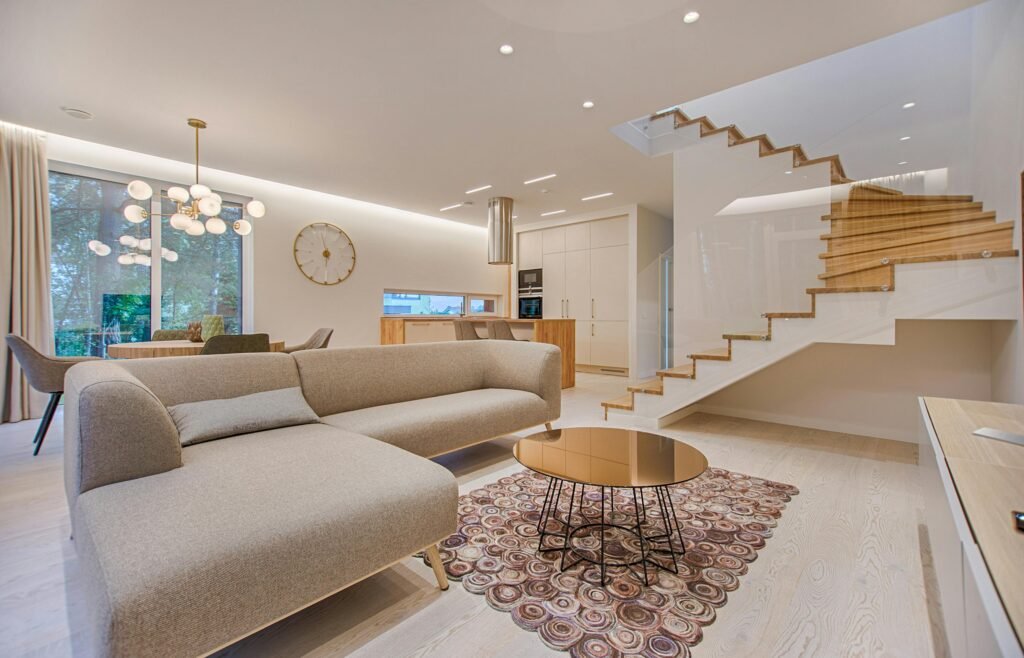
🔁 How to Time Your Resale for Maximum Profit
When it comes to reselling luxury furniture, timing can significantly impact profitability. Some pieces appreciate over time due to rarity or design legacy, while others retain value better when sold shortly after purchase—before visible wear sets in. Understanding market cycles and seasonal trends can help sellers maximize returns.
Designers often release limited editions during certain months, creating buzz in the industry. Selling during these high-interest periods—especially around interior design trade shows or seasonal staging windows—can attract more serious buyers and premium offers. On the flip side, avoid selling during off-peak times when demand is lower and competition is high.
📊 Using Data and Appraisals to Set the Right Moment
Consult resale platforms or professional appraisers to monitor current values of comparable pieces. If a similar item has spiked in popularity—due to a designer’s recent exhibition or social media exposure—it might be the perfect time to list your piece.
Additionally, pay attention to real estate trends. High-end furniture often sells better when the housing market is active, as more buyers are furnishing new homes and luxury rentals.
🧠 Emotional vs. Strategic Attachment
Many owners hesitate to part with high-end pieces due to sentimental value or status attachment. While understandable, this emotional bond can interfere with objective financial decisions. If a piece no longer serves your lifestyle or space but has strong resale value, it may be time to let it go.
Practice intentional detachment by reframing the item as part of a financial ecosystem. Selling a piece at its peak value can fund upgrades, new investments, or experiences that align better with your current goals. In that sense, parting ways can be both strategic and liberating.
🧘 Minimalism and Portfolio Rotation
Adopting a minimalist mindset allows you to treat furniture as part of a living portfolio. Just as investors rotate assets to manage risk and returns, design-conscious individuals can rotate their furnishings based on evolving aesthetics, market demand, and personal growth.
This intentional flow of acquisition and release not only preserves resale value but also keeps your space fresh, aligned, and inspiring.
📦 Shipping, Storage, and Selling Logistics
Successful resale also depends on presentation and delivery logistics. High-value buyers expect white-glove service and secure packaging. Use professional movers and consider climate-controlled storage if you’re holding pieces temporarily.
Platforms like Chairish or Sotheby’s Home often offer concierge services to assist with pickup and shipping. While they may take a commission, these services increase buyer trust and reduce friction—often resulting in faster, higher-value sales.
🚛 Protecting the Value Through Transition
Ensure all parts, cushions, and accessories are intact. Retain original tags, hardware, and manuals when applicable. Take new high-resolution photos prior to packaging to showcase current condition. These small steps reflect professionalism and preserve trust with potential buyers.
📈 Long-Term Strategy: Furniture as a Wealth-Management Tool
Luxury furniture can become part of a diversified wealth-building strategy when approached with intention. While it’s not a traditional asset class, its value retention, resale potential, and utility make it a compelling addition to a holistic financial plan—especially for those who value aesthetics as much as assets.
This approach aligns with broader lifestyle investing strategies where design, real estate, and wellbeing intersect. Rather than treating furniture as a sunk cost, consider it a living, functional investment—capable of generating returns, impact, and personal fulfillment simultaneously.
🧩 Building a Resilient Aesthetic Portfolio
Curate your home like a gallery or investment portfolio. Focus on timeless design, known brands, and functional elegance. Document every piece, assess periodically, and remain open to rotating or upgrading as your life evolves. In this way, your space becomes both a sanctuary and a financial asset.
❤️ Conclusion
Luxury furniture offers a unique opportunity to blend personal style with strategic financial value. When selected thoughtfully, maintained properly, and resold with intention, these pieces can deliver both enjoyment and economic return. In a culture of fast consumption, this mindful approach stands out—and it supports wealth-building without sacrificing beauty or comfort.
Whether you’re furnishing a dream home, staging a premium rental, or curating a collection, each piece becomes part of your financial narrative. By investing in furniture that retains or grows in value, you’re not just decorating a space—you’re designing a future that reflects both purpose and prosperity.
❓ FAQ
Q: What types of luxury furniture retain the most resale value?
Furniture from iconic brands with timeless design, superior materials, and documented provenance retains value best. Pieces like the Eames Lounge Chair or B&B Italia sofas have consistent resale demand across markets.
Q: How can I tell if a furniture piece will appreciate in value?
Look for limited editions, artist collaborations, or designs that have cultural significance. Research past resale performance on high-end platforms and consult appraisers or design experts for guidance before purchase.
Q: Is it better to keep furniture in use or in storage to preserve resale value?
If used carefully and maintained properly, furniture can be lived in without major depreciation. For rare or highly valuable pieces, climate-controlled storage may be better to prevent damage and maximize long-term returns.
Q: Are there tax implications when reselling high-end furniture?
Yes. Depending on your location and profit, resale can trigger capital gains or require sales tax reporting. Keep all receipts and consult a tax advisor to ensure compliance and optimize your financial outcome.
This content is for informational and educational purposes only. It does not constitute investment advice or a recommendation of any kind.
Learn to manage wealth with discipline while enjoying luxury by design here: