
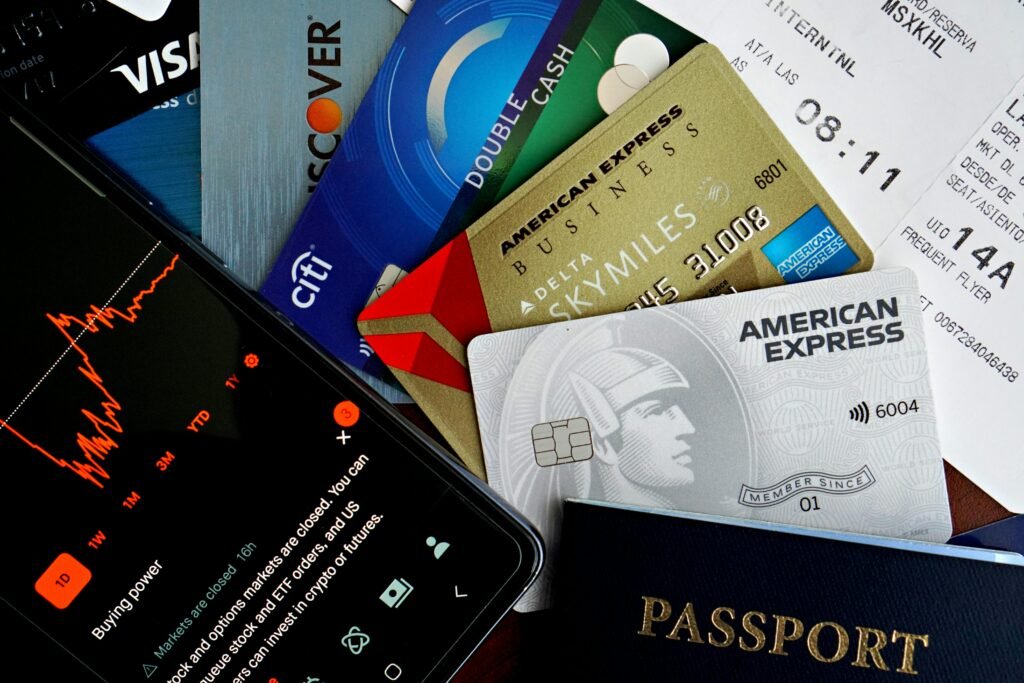
💼 Managing Multiple Cards: Benefits Without the Burden
Using multiple credit cards can be a powerful financial strategy when managed with discipline. With the right structure in place, multiple cards allow users to take advantage of rewards categories, cash-back options, insurance perks, and promotional rates. But without a plan, it’s easy to fall into overspending, missed payments, or mounting debt.
The secret isn’t to avoid having multiple cards—it’s to use them strategically. Understanding how to align each card with a specific purpose, organize billing cycles, and automate accountability ensures that every benefit works for you, not against you. This method turns complexity into clarity.
📊 Know Why You Have Each Card
Every card in your wallet should serve a function. Whether it’s 5% back on groceries, 3x points on travel, or extended warranties on electronics, categorize your cards by their highest value benefit. This lets you use them with intention and maximize each feature without confusion.
- Card A: Groceries and gas (high cash back)
- Card B: Dining and travel (premium points)
- Card C: Big purchases (extended warranty + 0% APR intro)
- Card D: Business expenses (category tracking + statement credits)
This framework prevents overlap, reduces mental fatigue, and helps you focus spending where it yields the most value.
📆 Master the Billing Cycle for Each Card
Every card has its own billing cycle and due date. When juggling multiple cards, overlooking payment dates can lead to missed payments, interest charges, or credit score damage. Consolidating due dates—if your issuers allow it—can simplify management.
Request all your due dates to fall within the same 5-day period. This keeps your financial calendar organized. If that’s not possible, create calendar alerts or use financial apps that notify you of upcoming deadlines across all cards.
📅 Organize Your Card Calendar
- 1st–5th: Review and pay Card A & B
- 10th: Schedule Card C automatic payment
- 15th: Review statement summary for all spending
- 20th: Reflect on budget and rewards earned
Automating reminders helps avoid costly mistakes and turns card management into a habit.
🔍 Match Cards to Categories, Not Impulses
Most people swipe whichever card is top-of-wallet or has the biggest available credit—without considering if it’s the optimal card for that purchase. Doing so leaves rewards and benefits on the table. Instead, match each spending category to its assigned card in advance.
Before making any purchase, especially online, pause and ask: “Which card is best for this category?” This micro-habit only takes a few seconds but compounds into thousands in benefits over time.
🛍️ Create a Digital Card Map
Keep a note on your phone or wallet with a simple chart:
| Spending Category | Card to Use |
|---|---|
| Groceries | Card A |
| Dining | Card B |
| Electronics | Card C |
| Subscriptions | Card D |
This visual cue reinforces spending discipline and ensures no opportunity is wasted.
💳 Avoid the “Rewards Justify Everything” Mindset
When managing multiple cards, it’s easy to justify purchases by thinking, “Well, I’m earning 5% back.” But spending $1,000 on things you didn’t plan for just to earn $50 in rewards isn’t a win—it’s a net loss.
Rewards should be a bonus, not a justification. Focus on using your cards for things you’d buy anyway. That’s when the perks become truly valuable.
🚫 Trap Alert: Overvaluing Points
Many people overestimate the real value of credit card points. Before chasing a bonus or rotating category, calculate if the benefit is worth the shift in spending. Earning 1,000 extra points worth $10 isn’t worth blowing your budget.
📐 Use Tools to Track Benefits, Not Just Balances
Apps like CardPointers, AwardWallet, or even custom spreadsheets can help you track more than just due dates and balances. They help you remember which card offers which perks—price protection, travel insurance, lounge access, cell phone coverage, or car rental insurance.
This way, if your phone breaks or your trip is delayed, you’ll know exactly which card’s benefits to file a claim through.
🧾 Create a Card Benefits Cheat Sheet
Build a quick reference guide listing:
- Card nickname
- Main reward category
- Key perks (insurance, protection)
- Redemption method
Keep it accessible so you always know which card to reach for in specific scenarios.
🔒 Use Credit Limits to Your Advantage
High credit limits can be dangerous if you view them as available cash. But they also offer a strategic opportunity. By keeping utilization low across multiple cards, your credit score can actually improve—especially your utilization ratio and payment history.
Aim to keep each card’s balance below 30% of its limit at all times. Even if you pay in full each month, a mid-cycle high balance can impact your credit if reported before payment posts.
📊 Spread Purchases Strategically
Divide larger planned expenses across multiple cards to avoid high utilization on a single account. This tactic protects your credit profile while still letting you access multiple rewards.
💡 Link Benefits to Your Broader Financial Plan
The best use of multiple card benefits is when they support your bigger financial strategy—building wealth, avoiding interest, and enjoying perks along the way. In this article on maximizing rewards, the importance of aligning card perks with your lifestyle and spending habits is clearly emphasized. The same rule applies when managing more than one card.
When every card has a role and every perk has a purpose, the entire system becomes smoother, simpler, and smarter.

🧠 Behavioral Pitfalls That Undermine Benefits Strategy
Having multiple cards increases the risk of falling for behavioral traps like impulse buying triggered by emotional cues or peer pressure. These subtle triggers can make you charge purchases you wouldn’t make otherwise—just to collect a few extra points or perks.
Recognition is the first step: notice the urge, pause for reflection, and then decide if the purchase genuinely aligns with your priorities.
⏳ Implement the 24‑Hour Pause Rule
Giving yourself a full day before making larger purchases reduces emotional spending. Often, the urge fades—letting you decide more consciously. This simple habit prevents regret and unnecessary debt.
📊 Monitor Spending Across Cards With Clarity
Tracking overall spending is critical when managing multiple cards. Without oversight, it’s easy to overspend across cards, even if each card individually seems manageable.
🧾 Craft a Monthly Spend vs. Benefits Table
| Card | Monthly Spend | Points/Cashback | Primary Benefit |
|---|---|---|---|
| Card A | $600 | $30 | Fixed 5% back groceries |
| Card B | $500 | 1,500 pts | Travel & dining bonus |
| Card C | $400 | $20 | Extended warranty |
This helps you compare value across cards and see if your spending distribution still makes sense.
🔄 Strategically Align Intro Offers with Capabilities
Sign‑up bonuses for multiple cards can be tempting—but only useful if they fit your spending capacity. Opening cards just for bonuses can lead to juggling high minimum spends across accounts, and increase risk of missed payments.
Choose only those intro offers you can naturally fulfill. Focus on cards whose ongoing rewards align with your habits, not just one‑time perks.
⚖️ Weigh Ongoing Value vs. Bonus Offers
If a card requires $6,000 in purchases for a bonus but offers low ongoing rewards, the long-term value may be poor—even if the bonus seems generous. Prioritize cards where sustained benefits outweigh the one‑time sign‑up gain.
💳 Manage Credit Utilization Across Multiple Accounts
Low utilization helps your credit score—but with many cards, keeping close tabs on utilization becomes complex. High balances on one or more cards, even if temporary, can appear on credit reports before you pay them off.
📉 Spread Large Expenses Across Cards
Distribute planned large expenses—like travel bookings or electronics purchases—across cards to avoid any single one reporting a high utilization. This preserves your credit health while still accessing perks.
🧰 Automate Payments—Don’t Rely on Memory
Manual tracking becomes less reliable with more cards. Automate payments for full balances each month to avoid interest and missed due dates. Relying on due-date memory is a recipe for late fees or falling into debt cycles.
📆 Schedule Auto-Pay for Each Card
Set up auto-pay for statement balance or a fixed buffer above it. If possible, align due dates or group them within a short window—so financial tasks become routine instead of reactive.
🔓 Use Card Benefits to Enhance Financial Resilience
Your cards likely include perks beyond points—like purchase protection, travel insurance, cell phone coverage, and extended warranties. These features strengthen your financial ecosystem when used strategically.
Rather than opening an extra card for travel insurance, use an existing card with that benefit whenever you travel. Stay aware of what each card offers and activate applicable protections.
🛡️ Benefits Checklist Guide
Maintaining a cheat-sheet of each card’s perks prevents overlaps and missed opportunities. Include information like:
- Travel and trip insurance coverage
- Price protection policies
- Cell phone collision coverage
- Extended product warranties
Use this guide as a quick reference before key purchases or travel planning.
💡 Align Cards with Cash Flow & Emergency Preparedness
Cash flow management becomes more critical when multiple cards are involved. Ensure you have a buffer or emergency fund that covers potential mischarges, returns, or deferred credits. That helps avoid using cards as a stop-gap for financial gaps.
Our strategy for clear financial living is also vital here—see this guide on saving vs debt payoff for practical frameworks to support emergency funds and avoid using rewards cards to cover shortfalls.
💼 Emergency Buffer Planning
Keep a small reserve—such as a prepaid debit buffer or savings account—to cover card-related uncertainties. This buffer reduces the temptation to charge impulsively and protects against overspending when credit lines feel unlimited.
📅 Conduct Quarterly Health Checks on Card Use
Every three months, review which cards are active, which are underutilized, and whether each still fits your habits. Cancel or downgrade those that no longer provide net benefit or trigger complexity.
🔍 Quarterly Card Audit Routine
- Check point balances and expiration dates
- Assess active benefit use (insurance, warranties)
- Evaluate fees vs. utility
- Plan for upcoming bonuses or changes
This ensures your system remains clean, efficient, and aligned with your goals.
🧭 Long-Term Strategies for Managing Multiple Cards Successfully
Mastering the use of multiple credit cards is not about chasing every perk—it’s about building a sustainable system that supports your financial stability, enhances your lifestyle, and minimizes risk. This long-term mindset is what separates strategic cardholders from overwhelmed ones. The key lies in planning, clarity, and consistency.
Every card in your wallet should play a purposeful role, and the structure you build should make your life easier—not more chaotic. When that structure is rooted in your values and goals, you unlock the full power of rewards, protections, and benefits without debt.
🧱 Build a System, Not Just a Stack
More cards don’t automatically mean more benefits. If they’re not part of a plan, they become liabilities. Your system should clearly define:
- What each card is for
- When and how each card is used
- How payments are scheduled and tracked
- What benefits are activated and utilized
This structure ensures that you remain in control—and that each card serves you, not the other way around.
📚 Educate Yourself on Changing Card Terms
Credit card benefits aren’t static. Issuers often change reward rates, annual fees, bonus categories, or protection policies. Make it a habit to read update emails, visit issuer benefit pages quarterly, and stay informed on what’s changing. A card that worked perfectly last year may no longer align with your needs.
🔄 Adjust Your Lineup As Needed
There’s no shame in changing your tools. Downgrading cards to avoid fees, switching to cards with new bonuses, or closing unused accounts (when appropriate) all help maintain a clean and effective setup. Review your wallet with the same scrutiny you would your investment portfolio.
📦 Store Cards Safely When Not in Use
Not every card needs to live in your daily wallet. Cards used for quarterly categories, travel-specific perks, or business purchases can be kept at home or stored digitally in secure apps. This reduces the mental load and temptation to use a card just because it’s available.
📱 Use Virtual Wallets Wisely
Mobile payment platforms like Apple Pay or Google Wallet allow you to store all your cards and select the right one quickly at checkout. Just ensure your default card reflects your primary earning category and revisit the settings monthly based on your spending plan.
🎯 Make Rewards Redemption a Ritual
It’s not enough to earn points—you have to redeem them strategically. Make it a monthly or quarterly ritual to assess point balances, check for expiring rewards, and plan redemptions based on your goals. Let your rewards fund experiences or savings—not forgotten gift cards or unnecessary splurges.
Make redemptions part of your financial rhythm, reinforcing the purpose behind your system.
📌 Tie Rewards to Emotional Satisfaction
Whether it’s using points for a meaningful trip, a course that accelerates your career, or paying down a student loan via statement credit, intentional redemption amplifies emotional satisfaction and reduces the urge to chase more just for the sake of accumulation.
💬 Communicate When Cards Are Shared
If you share cards with a partner, spouse, or family member, strong communication is essential. Conflicting spending habits or unclear payment responsibilities can cause tension and financial stress.
Discuss boundaries, usage limits, due dates, and benefit goals. Transparency reduces conflict and builds mutual trust. Shared cards should strengthen a relationship, not strain it.
🤝 Practice Financial Intimacy
Financial intimacy means being open about goals, fears, and spending behavior. When managing joint cards, schedule regular check-ins to review statements and track how the card benefits align with shared priorities. The emotional health of your financial life matters as much as the numbers.
❤️ Conclusion
Managing multiple card benefits without falling into debt is a matter of intention, not restriction. With clear systems, aligned spending, and emotional awareness, credit cards become tools of empowerment—not stress. They help you build financial flexibility, unlock meaningful perks, and develop confidence in your money decisions.
The most successful cardholders don’t chase every offer—they choose cards that reflect their lifestyle and goals. They don’t fear temptation—they create guardrails. They don’t accumulate debt—they accumulate clarity.
In the end, the real benefit isn’t the rewards or protection—it’s the discipline, self-trust, and financial freedom you build along the way.
❓ FAQ
Q: How many credit cards is too many?
There’s no universal number. What matters is your ability to manage them responsibly. If you’re tracking usage, paying in full, and staying organized, having five or more cards can be perfectly manageable. If you’re missing payments or feeling overwhelmed, it’s time to simplify.
Q: What should I do with a card I no longer use?
Consider downgrading to a no-fee version or using it for occasional recurring expenses to keep it active. Closing old cards can affect your credit score due to reduced average account age or available credit, so weigh the pros and cons before canceling.
Q: Is it bad to carry a balance across multiple cards?
Yes. Carrying a balance means paying interest, which can quickly offset any benefits or rewards earned. Aim to pay off all cards in full each month. Use auto-pay to protect your financial health and avoid debt traps.
Q: How do I stop rewards from expiring?
Set calendar reminders for each program’s expiration policies. Some issuers extend expiration with account activity; others have hard deadlines. Log in monthly to check balances, and make small redemptions or purchases if needed to keep points active.
This content is for informational and educational purposes only. It does not constitute investment advice or a recommendation of any kind.
Learn to manage wealth with discipline while enjoying luxury by design here: