

💻 The Rise of Digital Assets in Modern Estate Planning
As technology continues to shape every aspect of our lives, estate planning must evolve to include more than just physical possessions and financial accounts. Today, a growing portion of personal wealth and legacy exists in digital form—stored across the cloud, hard drives, cryptocurrency wallets, and social media profiles. These are your digital assets, and if you don’t plan for them, your loved ones could be locked out of critical data, funds, and memories.
Digital assets are no longer optional considerations. From NFTs to email accounts, these holdings carry sentimental, practical, and sometimes immense financial value. Yet many people overlook them entirely in their estate plans—creating confusion, delays, and potential legal battles after death. Planning digital assets into your estate is now a vital part of protecting your legacy.
🧠 What Qualifies as a Digital Asset?
Digital assets include anything you store, use, or create in a digital environment. This encompasses:
- Cryptocurrencies and digital wallets
- Online banking and investment accounts
- Email, cloud storage, and backup files
- Social media profiles and content
- Digital art, music, blogs, and intellectual property
- Online businesses, stores, and monetized platforms
- Gaming accounts with real-money value or collectibles
These assets often exist across multiple platforms with separate logins, terms of service, and recovery policies. Without proper planning, even your executor might not have legal access to retrieve them.
📜 Why Digital Estate Planning Matters Now
Traditional estate planning focused on tangible items—real estate, cars, jewelry—and financial assets like bank accounts or retirement plans. But as our digital lives expand, these old models fall short. Today, families are discovering that without digital planning, they’re left in the dark during already difficult times.
In many cases, even with a will or trust in place, digital assets go unclaimed or lost forever. Service providers may shut down accounts for inactivity, or require complex verification that’s impossible without access to emails or devices. Including digital assets in your estate plan ensures your beneficiaries can access important materials and carry out your wishes.
🔒 Legal and Practical Risks of Ignoring Digital Assets
Failure to plan for digital assets can result in:
- Loss of access to financial accounts or cryptocurrency
- Locked devices or cloud accounts that store key documents
- Unclaimed revenue from digital platforms
- Violation of privacy or terms of service by unauthorized users
- Digital identity theft from unmanaged accounts
Protecting your digital legacy is both a legal responsibility and a gift to your loved ones. It provides clarity, reduces stress, and prevents preventable losses.

📁 Creating a Comprehensive Digital Inventory
The first step in digital asset planning is creating a full inventory. This document should list every digital asset you own, where it’s stored, how it’s accessed, and what its value is—both sentimental and financial. Think of it as your digital blueprint.
🗂️ What to Include in a Digital Inventory
- URLs and names of platforms or services
- Usernames and associated email addresses
- Access methods (2FA apps, security questions, recovery emails)
- Description of each asset’s value or purpose
- Instructions for transfer, closure, or archiving
Keep this list secure—ideally in an encrypted document or password manager—and make sure at least one trusted person knows how to access it in the event of your death or incapacitation.
💬 Assigning a Digital Executor
Just as you assign an executor for your physical estate, you need someone to manage your digital one. A digital executor is a person legally authorized to access, manage, and distribute your digital assets. This role may be separate from your traditional executor or power of attorney.
Assigning a digital executor gives your plan strength and legal clarity. It ensures your instructions are followed and that accounts are handled in line with both your wishes and platform policies.
📑 How to Appoint One Effectively
- Choose someone tech-savvy, trustworthy, and emotionally stable
- Include their name and responsibilities in your will or trust
- Confirm they understand your preferences for each type of asset
- Ensure they can access passwords or recovery methods securely
Some states allow digital executor appointments under their estate laws, while others require separate documentation. Always consult an attorney familiar with digital planning.

🪙 Cryptocurrency and Blockchain-Secured Assets
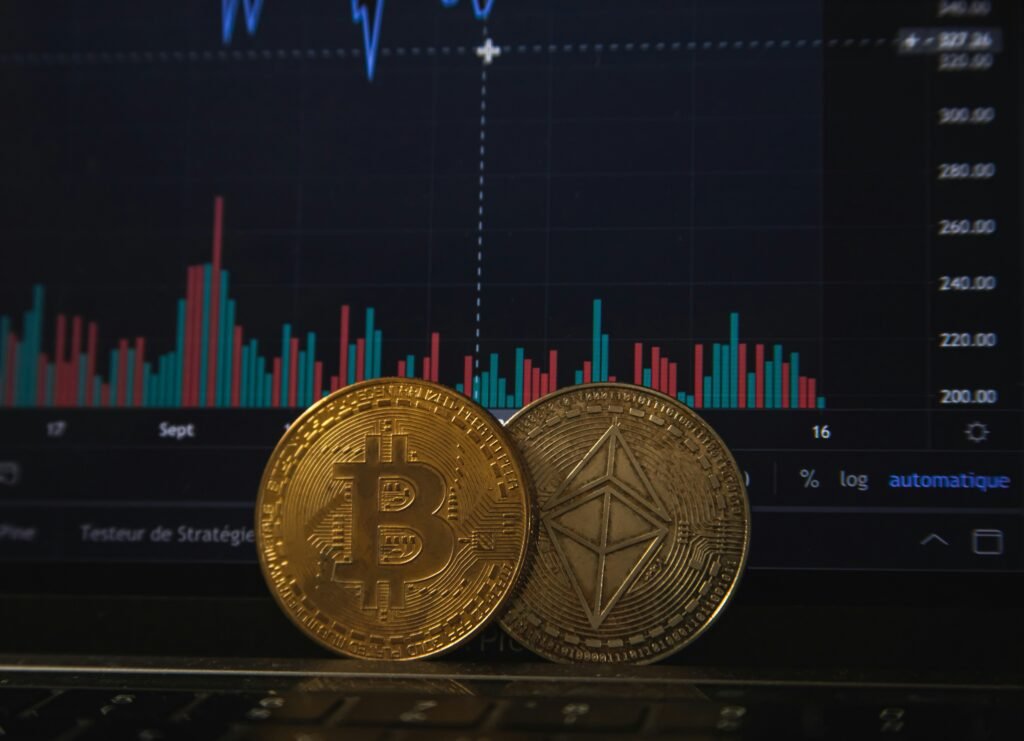
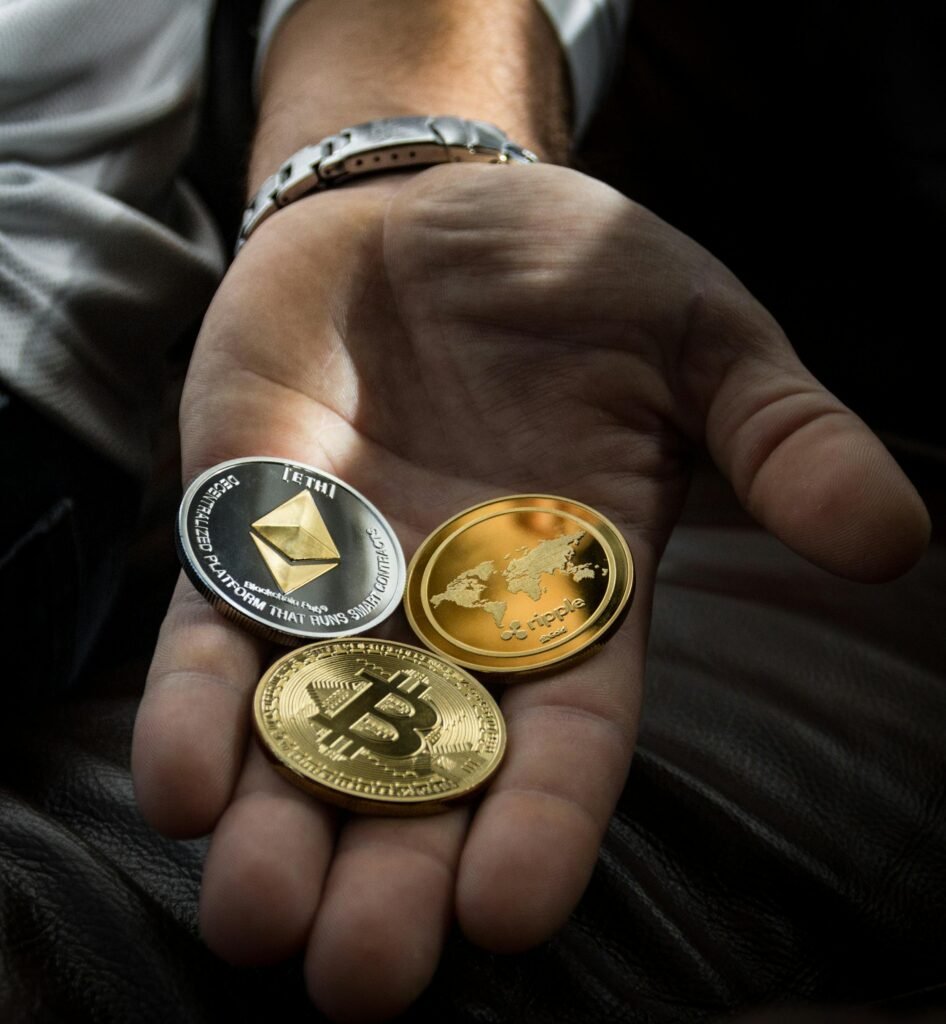
Cryptocurrencies, NFTs, and blockchain investments represent a unique challenge in estate planning. These assets are decentralized, anonymous, and often irreversible. If your private keys are lost, your heirs will have no way to retrieve the funds—regardless of legal documentation.
As outlined in this guide to including crypto in your estate plan, it’s crucial to document your holdings and provide clear instructions for recovery, transfer, and tax considerations.
🔐 Protecting Private Keys and Wallets
Strategies for safe crypto planning include:
- Storing private keys offline in a secure location
- Using multi-signature wallets or trusted custodians
- Keeping a copy of recovery phrases in a safe deposit box
- Including wallet locations and balances in your digital inventory
Crypto is one of the most sensitive digital assets—it must be handled with extra care and secrecy, especially if you want your family to benefit from its future value.
📲 Social Media and Legacy Accounts
Social media holds decades of photos, memories, and digital footprints. Platforms like Facebook, Instagram, X (Twitter), and TikTok each have unique policies for handling deceased users’ accounts. Planning ahead allows you to decide whether you want these accounts deleted, archived, or memorialized.
📱 Documenting Your Wishes for Social Platforms
- Choose which accounts should be shut down vs. preserved
- Use platform tools (like Facebook’s legacy contact option)
- List account credentials and preferences in your digital plan
- Designate who can download or save important media
Leaving your loved ones digital memories should be intentional. Without guidance, these accounts may be permanently deleted or become inaccessible within months.
🏢 Business and Online Income Streams
If you own an online business, a monetized blog, or generate revenue through platforms like Etsy, Substack, or YouTube, those accounts must be integrated into your estate plan. They’re not just side projects—they are income-producing digital assets with real value.
Document login credentials, business workflows, banking integrations, and your wishes for the brand after your death. Decide whether it should be passed on, sold, or shut down. Digital businesses require legacy planning just as much as brick-and-mortar ones.
📈 Protecting Your Digital Income
Make sure to:
- List monetized accounts and income streams
- Include access instructions and backup emails
- Note outstanding payments or advertising agreements
- Assign a successor or manager if continuation is desired
Without planning, a successful online income stream could vanish—leaving behind no benefit for your family and no way to reclaim its value.

📝 Integrating Digital Assets into Your Legal Estate Documents
Once you’ve organized your digital inventory and identified key assets, the next step is legal integration. This means making sure your will, trust, and any relevant legal documents explicitly mention your digital holdings, outline who is responsible for them, and specify your wishes for access, transfer, and disposition.
Many people mistakenly assume that a general reference in a will is enough to cover everything, but that’s not the case with digital property. Platform-specific rules, privacy laws, and encryption protections can all override vague instructions. For real results, you need precision.
📃 Documents That Should Mention Digital Assets
- Last Will and Testament: Include a digital asset clause, naming your digital executor and listing assets under their care.
- Revocable Living Trust: Transfer digital business assets or cryptocurrency wallets into the trust, where applicable.
- Durable Power of Attorney: Ensure your designated agent has authority to manage digital property if you’re incapacitated.
- Separate Memorandum: Provide detailed login information, instructions, and asset breakdowns outside the public will.
Working with a legal professional who understands modern estate laws and technology is key to avoiding gaps that leave your assets vulnerable or unclaimed.
📚 Legal Frameworks That Affect Digital Inheritance
Accessing digital accounts after death isn’t just a matter of finding a password. Legal roadblocks can prevent even family members from obtaining what they need. In the U.S., one of the most important laws governing this area is the Revised Uniform Fiduciary Access to Digital Assets Act (RUFADAA).
⚖️ What Is RUFADAA and How Does It Work?
RUFADAA allows executors, trustees, and agents to legally access digital assets if specific conditions are met. However, platforms may require:
- Proof of death (death certificate)
- Court-issued letters of appointment
- Explicit consent from the deceased in legal documents
- Identification of which assets are being accessed
Not all states have adopted RUFADAA, and implementation varies. This means it’s essential to proactively grant access and prepare documentation long before it’s needed.

🧾 Taxation and Reporting of Digital Assets
Digital assets can have real monetary value—and that means potential tax obligations. Cryptocurrency, online businesses, and monetized content are all subject to income, estate, or capital gains taxes, depending on how they’re structured and transferred.
Failure to report these assets may result in underreported estates or legal complications for heirs. Including these details in your plan now can spare your family unnecessary IRS scrutiny later.
💡 What Should Be Reported?
- Cryptocurrency holdings and wallet balances at time of death
- Royalties or future payouts from creative content
- Revenue generated by digital platforms or apps
- Domain names or IP with market value
Speak to a tax professional about how to properly disclose and value digital assets in your estate to ensure full compliance with federal and state tax laws.
📦 Storing and Securing Digital Asset Information
Even the best estate plan fails if no one can access it. Digital asset planning depends heavily on security—balancing privacy during life with accessibility after death. Choosing where and how to store sensitive data like login credentials and private keys can make or break the entire process.
🔐 Where to Safely Store Your Digital Access Data
- Encrypted USB Drives: Portable and offline, but prone to loss or damage.
- Password Managers: Useful for ongoing access, but require a master password or trusted contact.
- Secure Cloud Vaults: Accessible from anywhere with proper authentication.
- Legal Safe Deposit Boxes: Ideal for printed recovery phrases or estate instructions.
Whichever method you choose, it should be updated regularly and known to your digital executor or attorney. Never rely solely on memory or scattered documents.
📂 The Role of Online Tools and Estate Tech Platforms
Modern estate planning now includes access to a variety of digital platforms specifically designed to store, update, and share your legacy data. These tools help manage your digital inventory, store encrypted credentials, and even automate alerts to loved ones in case of death.
📊 Features to Look For in Digital Estate Services
- Two-factor authentication and encryption
- Designated emergency contacts or legacy agents
- Customizable asset instructions
- Secure cloud-based backups
- Integration with financial or legal professionals
While traditional documents are still necessary, these tech platforms provide a real-time, user-friendly complement—especially valuable for younger users with many evolving accounts.
🏠 Aligning Digital Planning with Overall Estate Goals
Estate planning should be holistic. That means aligning your digital asset instructions with your broader goals for wealth preservation, legacy, and family stability. The same principles that apply to real estate, retirement savings, and insurance also apply here: clarity, accessibility, and intention.
As detailed in this comprehensive guide to building an estate plan during retirement, integrating digital assets ensures your family receives a complete picture of your financial life—not just fragments.
🧭 Questions to Ask When Reviewing Your Estate Plan
- Are your digital and physical assets coordinated?
- Does your executor understand how to access online information?
- Have you addressed international or cloud-based holdings?
- Do your heirs know how to interpret your digital records?
Bridging the digital and traditional sides of your estate plan gives your legacy greater stability and adaptability for future generations.
📑 Periodic Review and Updates
Digital lives evolve rapidly. What’s critical today might be irrelevant in five years. That’s why it’s essential to review your digital asset plan at least once a year—or anytime you change devices, update security protocols, or add new accounts.
📆 Key Moments That Require Plan Updates
- Changing passwords or switching to a new platform
- Opening or closing bank and investment accounts
- Creating new intellectual property (blogs, ebooks, videos)
- Expanding a digital business or switching ownership models
Digital estate planning is not a one-time effort. It’s a living document that evolves with your life, just like a physical estate or investment strategy.
💡 Teaching Family Members About Your Digital Footprint
Digital legacy is not just about transferring access—it’s about transferring knowledge. Teaching your loved ones how to manage and understand your digital world will empower them to handle it responsibly after you’re gone.
🧒 What to Share with Family in Advance
- Locations of encrypted storage or vaults
- Login instructions and backup recovery methods
- Overview of your most valuable digital assets
- Your vision for how these assets should be preserved or used
Having these conversations now ensures your heirs aren’t left confused or overwhelmed. It also helps prevent disputes by aligning everyone with your intentions early on.
📱 Managing Social Media and Online Identities
In today’s world, social media accounts and online profiles form a large part of our personal identities. From Facebook to LinkedIn, from Twitter to personal blogs, these platforms serve not only as communication tools but also as lasting records of our values, milestones, and creativity. Deciding what should happen to these accounts after death is no longer optional—it’s a necessary part of estate planning.
🛠️ Options for Handling Social Accounts After Death
- Memorialization: Platforms like Facebook allow for a profile to be memorialized with a legacy contact.
- Deactivation: You can instruct your executor or family members to delete your account entirely.
- Transfer of Access: For business-related or monetized accounts, it may be wise to transfer control to a business partner or heir.
Incorporating these instructions into your digital asset plan ensures that your online presence is handled with dignity and in line with your wishes.
🎮 Planning for Digital Entertainment and Subscriptions
Streaming accounts, video games, cloud storage, and paid apps may seem trivial, but they often contain personal content, auto-renew payments, or licensing rights that need managing. Forgotten subscriptions can drain bank accounts long after someone has passed away, while digital libraries may hold sentimental or financial value.
📋 Steps to Address These Assets
- Include all entertainment platforms in your inventory list (Netflix, Spotify, Steam, etc.).
- Note any stored content like photos, playlists, or in-game purchases.
- Designate whether to cancel, transfer, or preserve access.
- Store passwords securely and provide clear instructions to your executor.
While these items may not be high-value in a financial sense, they are essential for creating a smooth and respectful transition for your loved ones.
💼 Incorporating Digital Businesses and Online Income
Many individuals generate income through online businesses, freelance platforms, affiliate marketing, or e-commerce. These income streams need special attention because they may continue producing revenue after death—and someone will need to manage them.
🧾 Essential Elements of Planning Digital Business Assets
- Domain Names: Specify ownership and transfer rights for websites and business domains.
- Hosting Services: Provide access to hosting accounts, so services don’t lapse.
- Revenue Streams: Identify PayPal, Stripe, AdSense, or affiliate networks tied to your income.
- Client Contracts: Inform your executor of any active agreements or obligations.
Failing to prepare for the transition of digital income sources could lead to lost revenue, frustrated clients, or legal entanglements. A clear plan provides continuity and protects your business reputation—even posthumously.
🔍 Spotting Gaps in Your Digital Estate Plan
Even the most organized individual may overlook areas in their digital life. Conducting a regular audit of your plan can highlight missing information, expired credentials, or new accounts not yet included.
🚨 Common Gaps to Watch For
- Unused email accounts that may receive important notifications
- Subscriptions still active on auto-renew
- Newly created cryptocurrency wallets or NFTs
- Shared family devices with cloud-syncing features
These details might seem small, but they compound over time. A digital estate plan is only as effective as its last update.
💖 Emotional Impact on Loved Ones
Beyond the legal and financial implications, there’s an emotional component to digital legacy. Loved ones often seek closure in the form of saved voicemails, photos, videos, and personal messages. A well-prepared plan honors their grief by making access easier—and preventing disputes.
Failure to include digital elements can lead to confusion, resentment, or even legal battles. A few proactive steps now can offer your family a meaningful sense of continuity, comfort, and peace.
🛤️ Final Reflections on Digital Estate Planning
Digital estate planning is no longer optional—it’s essential. In a world where our financial, social, and emotional lives are increasingly online, leaving behind a digital roadmap is one of the greatest gifts you can offer your family. It ensures your legacy lives on, your wishes are honored, and your loved ones are protected from unnecessary stress.
Whether you’re starting from scratch or updating an existing plan, make digital assets a central part of your estate strategy. Doing so aligns your modern life with timeless values: responsibility, foresight, and care for those who matter most.
❓ Frequently Asked Questions (FAQ)
📌 What are digital assets in estate planning?
Digital assets include anything stored or accessed online or electronically—such as email accounts, photos, social media profiles, cryptocurrency, online businesses, and cloud storage. These assets should be included in estate plans to ensure legal and secure transfer after death.
📌 Do I need a digital executor?
Yes, appointing a digital executor ensures someone you trust can manage your online accounts and digital files according to your wishes. This person may be the same as your general executor or a tech-savvy family member with access to passwords and legal authority.
📌 How often should I update my digital estate plan?
Review your plan at least once a year or whenever you open new accounts, change passwords, or add new digital assets. Regular updates prevent confusion and ensure your plan stays aligned with your current digital footprint.
📌 Are digital assets taxable?
Some digital assets, like cryptocurrency or monetized websites, may be subject to estate, income, or capital gains taxes. Consult a tax professional to understand which assets need reporting and how they should be valued for inheritance purposes.
This content is for informational and educational purposes only. It does not constitute investment advice or a recommendation of any kind.
🔗 Final Resource
Understand the legal aspects of debt, contracts, and money rights here: https://wallstreetnest.com/category/legal-financial-issues