
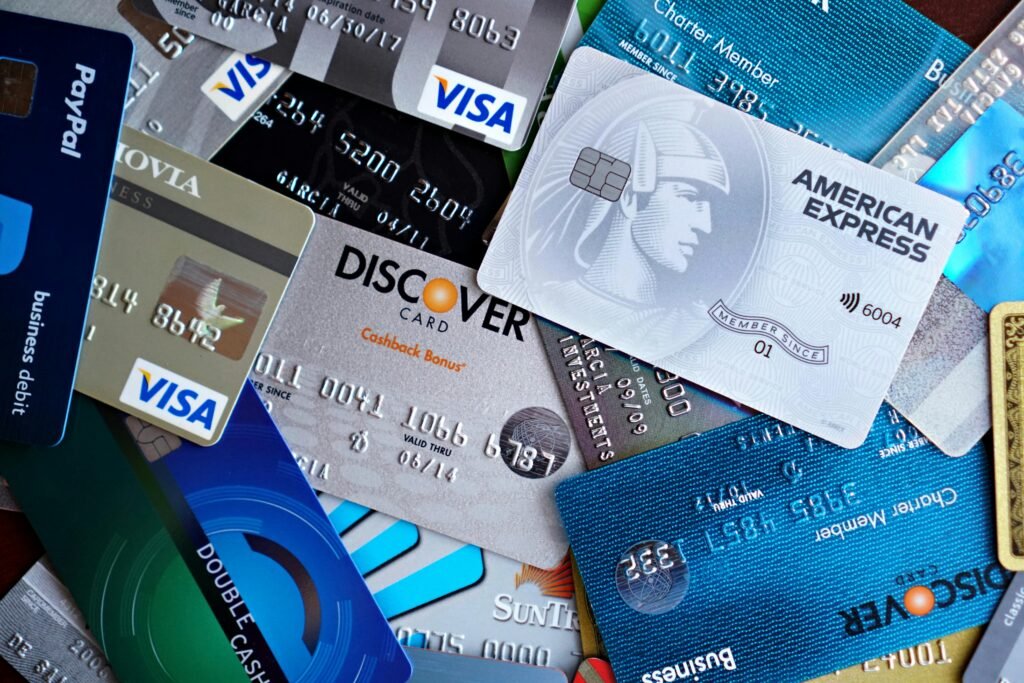
📚 Why Building Credit Early Matters
Improving your credit score before graduation is one of the smartest financial moves a student can make. Your credit score determines your ability to rent an apartment, qualify for a car loan, apply for a mortgage, and even influences job prospects in some industries. Starting early gives you time to establish a positive credit history, build healthy habits, and avoid the common pitfalls that can damage your financial future.
College is the ideal time to begin, as students often have fewer financial responsibilities and can focus on learning and applying credit management strategies. Credit scores don’t improve overnight—they’re built through consistent behavior over time. By focusing on smart credit habits while still in school, you set yourself up for a smoother transition into adulthood and financial independence.
🎯 Key Benefits of a Strong Credit Score After Graduation
- Lower interest rates on credit cards and loans
- Easier approval for housing applications
- Higher chance of securing utility services without deposits
- Greater leverage for negotiating job offers or benefits
- Better terms on future financial products, like car leases or insurance premiums
Even a small improvement in your credit score can translate into thousands of dollars saved over time.
📈 Understand What Impacts Your Credit Score
To improve your credit score, you need to understand what goes into it. The most widely used model, the FICO score, is composed of five key factors:
- 35% Payment History: Paying bills on time is the most important factor.
- 30% Amounts Owed: How much of your available credit you’re using.
- 15% Length of Credit History: The age of your accounts, including oldest and average age.
- 10% Credit Mix: The variety of credit accounts, like credit cards, student loans, etc.
- 10% New Credit: How often you apply for new credit and recent account openings.
Focusing on these categories will help guide your decisions as you build your financial foundation before graduation.
💳 Open a Starter Credit Card
One of the first steps students can take to build credit is opening a starter credit card. These are designed for individuals with little or no credit history. Responsible use of a starter card—keeping the balance low and paying in full each month—helps establish a payment history and proves your reliability to lenders.
Some student cards also offer rewards or incentives for good grades or consistent use. Secured credit cards, which require a refundable deposit, are another option if you can’t qualify for a traditional card yet. As outlined in this guide for beginner credit cards, choosing the right card for your needs makes a big difference in how quickly your credit grows.
🛠️ How to Use Your First Card Wisely
Start with small, manageable charges—like a Netflix subscription or grocery trips—and pay them off in full each month. This prevents interest from accruing and keeps your credit utilization low. Set reminders or enable autopay to never miss a due date.
Avoid the temptation to treat your credit limit like free money. Using less than 30% of your limit is best, but keeping it under 10% provides the strongest impact. The goal is to demonstrate that you can manage credit responsibly, not that you need to rely on it for daily expenses.
⏰ Automate Payments to Avoid Mistakes
Late payments are the fastest way to damage your credit score. Even a single missed payment can stay on your credit report for up to seven years. Setting up automatic payments ensures you never forget a due date, which protects your payment history—the largest factor in your score.
Make it a habit to check your statements monthly to catch any errors or fraudulent charges. Even with automation, oversight is key to maintaining control of your finances.
📅 Payment Strategies That Build Credit
- Set payment due dates to align with your payday
- Pay more than the minimum when possible
- Use calendar alerts to check your balance weekly
- Track spending using a budgeting app or spreadsheet
Consistency is your greatest asset. Building credit is not about big moves—it’s about small, repeated actions over time.
🚫 Avoid Opening Too Many Accounts
It might seem smart to open multiple cards to boost your available credit, but doing so too quickly can backfire. Each application results in a hard inquiry on your credit report, which temporarily lowers your score. Several inquiries in a short time may signal risk to lenders.
Additionally, managing multiple accounts increases the chance of forgetting a payment or overspending. Focus on managing one or two accounts well before considering additional credit lines. Lenders look at your overall behavior, not just your credit limit.
🔐 Patience Over Perks
Many cards offer sign-up bonuses or rewards, which can be tempting. But unless you’re confident in your ability to manage multiple payments and track spending meticulously, it’s wiser to delay. Let your score and habits mature before expanding your credit profile.
🔍 Check Your Credit Report Regularly
Monitoring your credit report helps catch errors, detect fraud, and track your progress. Students are entitled to a free annual report from each of the three major credit bureaus—Experian, Equifax, and TransUnion—through AnnualCreditReport.com. Reviewing your report every few months keeps you informed and proactive.
Look for incorrect personal information, unauthorized accounts, or outdated items. Disputing errors promptly can improve your score and prevent future issues.
🧾 What to Look For in a Credit Report
- Correct name, address, and employer
- All accounts listed are accurate and yours
- No late payments you didn’t make
- Closed accounts marked correctly
- No unfamiliar inquiries
Being vigilant now prevents stress and lost opportunities later.
📉 Keep Credit Utilization Low
Credit utilization is the ratio of your credit card balance to your credit limit. It’s a major factor in your credit score, and keeping it low shows lenders that you’re not overextended. For example, if you have a $500 limit, try to keep your balance under $150 at all times.
Utilization is calculated monthly, based on your statement balance—not your payment. So even if you pay off your card in full, having a high balance reported can still hurt your score. Making multiple payments throughout the month or paying early can help reduce reported utilization.
📊 Smart Strategies to Reduce Utilization
- Make bi-weekly payments instead of monthly
- Request a credit limit increase without increasing spending
- Spread purchases across different cards (if you have more than one)
- Pay before your statement closing date
Keeping utilization low shows discipline and lowers your risk profile, boosting your score steadily.
🧠 Learn to Use Credit Cards Strategically
Credit cards are tools—not threats—when used strategically. Students who learn to view credit as a responsibility rather than a convenience are more likely to develop lifelong financial confidence. Start by applying the principles outlined in this guide to using credit cards wisely, which reinforces the importance of limits, timely payments, and mindful usage.
With time and patience, your credit profile will evolve into a solid asset that supports your future goals—from renting your dream apartment to financing your first business. The effort you put in now will pay dividends for decades.
🛡️ Protect Your Credit While Still in School
Improving your credit score before graduation isn’t just about building it—it’s also about protecting it. Students face unique risks: identity theft, unauthorized charges, and accidental missed payments can all hurt your score early on. Taking simple precautions now can save serious headaches down the line.
Start by securing your personal information. Use strong, unique passwords for financial accounts, enable two‑factor authentication, and monitor your statements regularly. If your card is lost or stolen, report it immediately to prevent fraudulent activity. These steps build both security and trust in your financial behavior—factors lenders notice over time.
🔍 Spotting Fraud Before It Damages You
Set transaction alerts on your credit card and bank accounts. If you receive a notification about a charge you don’t recognize, resolve it immediately. Even minor fraudulent transactions can lead to unauthorized accounts or disputed balances that harm your credit score.
By building vigilance early, you establish habits that protect against future risks. Treat monitoring like part of your learning curve—credit health is as much about prevention as progress.
⚙️ Building Credit Mix and Diversity
Credit scores improve when you show responsible use across different types of credit. Besides student loans and credit cards, adding a small installment account—like a credit‑builder loan or retail installment plan—can diversify your profile in a healthy way. Seen properly, credit mix isn’t just risk—it’s a tool.
Retail credit lines may come with higher interest, but if paid in full monthly, they contribute positively. A credit‑builder product reports your payment behavior, helping lengthen your credit history and diversify your account types.
📌 Credit‑Builder Tools to Consider
- Credit‑builder loans from credit unions or fintech platforms
- Retail lines that report to major bureaus when managed responsibly
- Student loan autopay programs that count toward positive payment history
Adding one thoughtfully–selected credit instrument can strengthen your overall profile with minimal risk—so long as you pay it off consistently.
📅 Student Loans: Leverage Them Wisely
Student loans often represent your first installment debt. When managed well, they build credit. Federal loans generally report all payments, and autopaying helps avoid late entries. Private loans may vary, so check with your lender about reporting practices.
Consider turning on autopay for student loans, which can also lead to small interest rate reductions. As you approach graduation, evaluate whether consolidating or refinancing makes sense based on your credit health and future income. A well‑timed consolidation can simplify payments and help your score by reducing the number of active accounts.
🔎 Audit Before You Refinance
Before refinancing or consolidating, review your current interest rates, repayment terms, and credit score. Refinancing may remove your federal protections and repayment flexibility, so only proceed if the new terms clearly benefit your financial situation.
And remember: applying for new credit or refinancing triggers a hard inquiry—so ensure your credit is stable before taking on new accounts.
📆 Time Your Graduation Transition
Graduation is a major credit inflection point. Your cost of living may increase, and you’ll need to secure housing, insurance, and regular income. To make this transition smoother, continue the credit habits you built in school and adjust them to match your post‑college lifestyle.
Before graduating, aim to lower utilization, settle small balances, and avoid opening or closing accounts. After graduation, spacing out new credit applications and maintaining autopay systems helps continuity in credit behavior—lenders value consistency over novelty.
📉 Maintain a Low Credit Utilization Rate
Even post‑graduation, keeping your debt usage low remains one of the most powerful credit boosters. Avoid relying on credit cards for recurring expenses unless you can pay the balance fully each month. Disciplined habits now prevent financial strain later.
Strategically spread charges across cards—if you have more than one—for balanced usage, and always pay before the statement closes to keep your reported balance low.
💼 Credit Responsibility as a Career Asset
Believe it or not, your credit score may influence job opportunities—especially in finance, security, or government sectors. Employers sometimes review credit reports as part of background checks. Demonstrating early credit reliability may support your professional credibility.
Building responsible habits can translate into real confidence during interviews or performance reviews—showing you’re detail‑oriented, organized, and trustworthy. Your credit behavior says more about you than it might seem.
🗣️ Talking About Credit at Career Milestones
As you graduate and enter networking or job search situations, be prepared to discuss responsibly managed credit if asked. Articulate how you’ve learned to pay on time, diversify credit, and keep utilization under control. These soft financial skills often impress even outside of specialized roles.
Early financial discipline becomes part of your personal brand—a foundation for both wealth and professionalism.
🤝 Share Knowledge with Peers
Giving advice about credit to fellow students not only helps them—it reinforces your own learning. Discussing budgeting, responsible card use, or credit‑builder tools deepens your understanding and strengthens your habits.
Join campus financial literacy groups or social media communities focused on student finance. Sharing resources, challenges, and success stories supports collective growth and accountability.
🛠️ Organize a Credit Workshop or Study Group
Even informal sessions—like reviewing the basics of credit scoring or budgeting together—can make a big difference. Invite friends to compare utilization strategies, discuss student loans, or practice reading credit reports together.
Peer education builds both confidence and resilience—when you teach, you learn twice.
💬 Track Your Progress and Reevaluate Often
Credit improvement isn’t a set‑and‑forget process. Set quarterly checkpoints to review your credit report, evaluate spending, and adjust goals. Did you lower utilization? Avoid new inquiries? Pay consistently? Celebrating these wins builds motivation and discipline.
If you notice late payments or spike in balances, pause and course‑correct. Frequent review turns good intentions into sustainable habits—and habits into long term credit strength.
📈 Use Monitoring Tools and Alerts
- Free credit score trackers (Credible, Credit Karma, etc.)
- Spending and budget apps synced to your bank
- Calendar reminders for education and review
- Email flags for unusual activity or inquiries
These tools keep you engaged and informed—so your credit journey stays intentional and focused.

🔁 Avoid Common Pitfalls That Hurt Credit
While there are many ways to build credit, there are just as many missteps that can set you back. Many students fall into traps like overusing credit, ignoring statements, or closing their oldest accounts without realizing the impact. Being aware of these pitfalls helps protect your progress and keeps your credit trajectory on the rise.
One of the most damaging mistakes is closing your first credit card too early. This reduces your average account age and credit utilization ratio—both important components of your score. Unless there’s an annual fee or fraud risk, it’s often better to keep older accounts open and active with small, occasional charges.
🚫 Top Mistakes to Watch Out For
- Paying late or missing payments altogether
- Maxing out credit cards or carrying high balances
- Closing old credit accounts prematurely
- Applying for too many credit lines in a short period
- Ignoring credit reports or errors that go uncorrected
Even one misstep can slow your credit growth, so vigilance and intentionality are essential.
🏦 Set Up Financial Habits That Last After Graduation
The habits you form in college set the tone for your financial life post-graduation. Tracking your spending, setting realistic budgets, checking your credit regularly, and prioritizing payments are practices that serve you whether you’re a student or a salaried professional.
Keep automation in place, revisit your goals often, and evolve your systems as your income and responsibilities grow. Transitioning from student to working adult is smoother when your financial infrastructure is already solid.
📋 Transition Checklist for Strong Credit
- Keep your oldest credit card open
- Maintain a low utilization ratio
- Schedule payments to align with new income patterns
- Reevaluate your credit needs based on upcoming goals (car, apartment, travel)
Consistency is more valuable than complexity—simple systems work best long term.
💬 Build a Relationship with Your Bank or Credit Union
Local banks and credit unions often provide resources that national institutions don’t. They might offer free credit counseling, first-time car buyer programs, or low-interest credit builder loans. Establishing a relationship with your bank early can lead to better service and faster approval for future credit needs.
When a banker sees that you’ve maintained an account in good standing for years, they’re more likely to approve you for a credit increase or loan—even if your score isn’t perfect yet.
📞 What to Ask Your Banker About
- What credit-builder tools or secured products are available?
- How can I qualify for a better interest rate?
- Does this institution report to all three major credit bureaus?
- Can I set up automatic savings or payment plans?
Proactive communication shows maturity and interest—qualities that financial institutions respect.
🎓 Credit Strength Empowers Your Next Chapter
Graduating with strong credit doesn’t just help with renting an apartment or getting a credit card. It affects how confident you feel stepping into your next life phase. With a solid score, you’re able to take smart risks, qualify for better opportunities, and access tools that support independence.
Whether you’re planning to move across the country, start your first job, or launch a business, your credit score quietly works behind the scenes to open doors—or close them. The foundation you’ve laid through careful planning and discipline ensures that you’re stepping into adulthood prepared, not reactive.
🏅 Credit as a Long-Term Competitive Advantage
In a world where financial literacy still isn’t taught in most schools, having a great credit score is a form of personal advantage. It reduces stress, improves negotiating power, and keeps options open. It can also inspire others to take charge of their financial lives.
Confidence in credit management reflects broader life skills—like time management, self-awareness, and long-term planning. You’ve built more than a number—you’ve built capability.
❤️ Conclusion
Improving your credit score before graduation is one of the most strategic moves you can make as a student. With every payment, every choice to delay gratification, every review of your credit report, you’re investing in your future. This effort builds more than access—it builds confidence, security, and peace of mind.
Credit is not just about buying power. It’s about proving to yourself and the world that you can be trusted with responsibility. It’s about unlocking freedom—not just financial, but personal. The habits you build now will compound far beyond graduation, shaping the quality of your life for decades to come.
❓ FAQ
Q: What’s the best first step to start building credit in college?
Opening a student or secured credit card is a strong first move. Use it for small purchases, pay it off in full monthly, and set up autopay to avoid missed payments. This builds positive credit history without taking on unnecessary risk.
Q: How long does it take to see an improvement in my credit score?
Most students see noticeable improvements within six to twelve months of consistent credit behavior. Paying on time, keeping balances low, and avoiding new inquiries can steadily build a solid score over time.
Q: Can student loans help my credit?
Yes, student loans are installment accounts that, when paid on time, contribute to your credit mix and payment history. Set up automatic payments and start building your repayment record while still in school if possible.
Q: Will checking my own credit hurt my score?
No, checking your own credit report or score is considered a “soft inquiry” and has no impact. In fact, regularly reviewing your credit helps you catch errors, monitor progress, and stay motivated.
This content is for informational and educational purposes only. It does not constitute investment advice or a recommendation of any kind.
Navigate student loans, budgeting, and money tips while in college here: