

🏦 Why Comparison Sites Matter for Student Finances
Comparison sites for student bank accounts and credit cards have become essential tools in a college student’s financial toolkit. These platforms save time, reveal hidden fees, and empower students to make informed money decisions without prior financial experience. With so many financial products marketed specifically to students, knowing which ones truly offer value can be challenging. Comparison tools cut through the noise by providing real-time, side-by-side evaluations of rates, features, and perks.
Many students are opening their first bank account or applying for their first credit card when they enter college. That’s a major financial milestone—and a potential financial risk. Without guidance, students can fall into traps like high-interest credit cards, overdraft fees, or accounts that penalize low balances. Smart comparison sites protect against these pitfalls by highlighting products designed with student needs in mind.
🔍 Key Features to Compare When Choosing a Student Account
- Monthly Fees: Look for accounts with no maintenance fees or requirements to waive them easily (e.g., with direct deposit or student status).
- ATM Access: National and fee-free ATM networks are crucial for students who move or study out of state.
- Mobile Banking: Features like mobile check deposit, instant notifications, and budgeting tools help students stay on track.
- Overdraft Protection: Transparent and affordable policies for occasional slip-ups make a big difference.
- Perks: Cashback, rewards, or partnerships with student services can add extra value.
💳 Credit Cards for Students: What to Look For
Just like bank accounts, student credit cards vary significantly in terms of costs and benefits. Comparison tools allow students to review interest rates, fees, and perks before applying. Look for cards with no annual fee, a low APR, and rewards that match student spending habits like groceries, textbooks, or streaming services.
Importantly, comparison sites also highlight cards that report to credit bureaus. That’s critical for students looking to build a credit history. A strong credit score can open doors to better housing, lower insurance rates, and future financial products. Some cards even offer educational resources to help young users learn responsible borrowing.
🎓 Student-Friendly Cards with Purpose
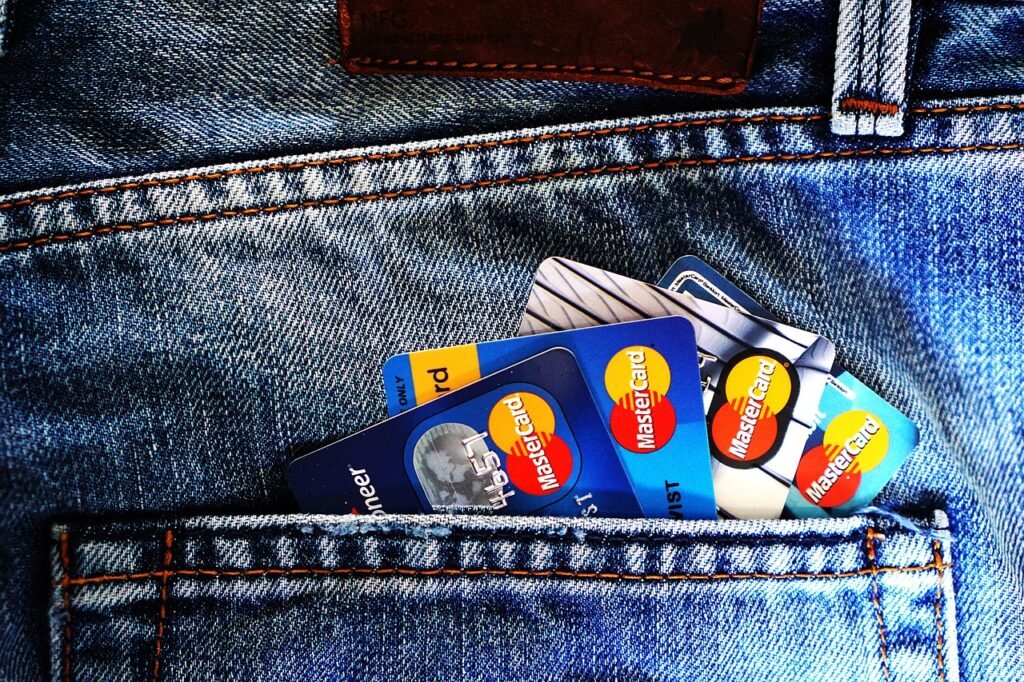
One standout example is outlined in this detailed breakdown of beginner credit cards for new users with no history. It explains how certain issuers tailor their products to students by offering manageable credit limits, no annual fees, and apps that promote healthy money habits. These features help students build credit without falling into debt traps.
🧠 How Students Use Comparison Sites to Avoid Common Pitfalls
Comparison tools don’t just help students find the “best” offer—they help avoid the worst ones. Many products advertised to students come with fine print: sky-high penalty APRs, hidden transaction fees, or limitations on ATM access. A good comparison platform surfaces these issues upfront.
In addition, students using these platforms can educate themselves through reviews, ratings, and in-depth guides. Rather than relying on flashy marketing, they base decisions on unbiased analysis. This habit builds financial literacy early and encourages long-term money management skills.
📉 Avoiding the Illusion of “Free” Accounts
Some bank accounts claim to be free but quietly charge for things like paper statements, low balances, or out-of-network ATM use. Comparison tools reveal these hidden costs and allow students to filter for truly fee-free accounts. That transparency helps prevent overdrafts and monthly surprises.
📱 The Role of Mobile-First Platforms in Student Banking
Today’s students expect digital-first services. That means their banking and credit card experiences need to match their tech-driven lifestyles. Mobile-first banks—also called neobanks—often appear prominently on comparison sites because they offer intuitive apps, fee transparency, and real-time budgeting tools.
Features like instant transaction alerts, automated savings transfers, and financial dashboards help students visualize their money and avoid overspending. Many neobanks also offer early direct deposit and round-up savings tools, which encourage consistent financial progress.
📲 Comparison Apps vs. Websites: What’s More Effective?
While both are valuable, apps often provide more real-time alerts and personalized recommendations. Students can set alerts for rate changes, new offers, or fee adjustments on favorite products. Some even use machine learning to suggest accounts based on spending patterns.
Websites tend to offer more in-depth reviews, longer guides, and comparison tables. Savvy students often use both: apps for quick decisions and websites for research. Together, they provide a 360° view of financial options.
🔐 Security, Trust, and Data Privacy in Comparison Tools
When entering personal financial data—even for recommendations—students should prioritize platforms with clear privacy policies, encrypted browsing, and no hidden affiliations. Reputable comparison sites disclose how they make money (often through referrals) and ensure the listings are not biased by sponsorship.
This transparency builds trust and teaches students to scrutinize online financial tools critically. Students should also avoid platforms that require full banking credentials just to generate comparisons. The best tools rely only on basic profile inputs like age, student status, and spending goals.
🔍 Red Flags to Watch Out For
- Sites that list only a few products or providers
- “Sponsored” labels on every top result without explanation
- Inability to filter by student-specific features
- No clear contact or customer service information
- Links that redirect to non-financial pages or broken offers
💼 Building Credit While Avoiding Debt
One of the most powerful benefits of using comparison sites is finding the right product to begin building credit responsibly. Students can see which cards or accounts report to all three credit bureaus and offer tools like auto-pay, reminders, and spending insights.
Rather than relying on luck or peer recommendations, students who use these tools get data-backed choices tailored to their profile. This means a safer path to credit-building—without high interest debt, annual fees, or gimmicky rewards traps.
💡 Choosing a Starter Card with Strategy
It’s not just about picking any student card—it’s about choosing one that grows with you. Many platforms rank cards based on how they transition from student use to full adulthood. For example, some allow credit line increases over time or graduation to premium versions after consistent payments.
Comparison sites help students find products with long-term potential, so they’re not forced to close accounts and lose credit history when they graduate. That kind of foresight builds both credit score and financial maturity.

📚 Financial Education: The Missing Piece in Student Banking
Despite handling thousands of dollars in tuition, aid, and living costs, many students receive little formal education on how to manage their personal finances. This gap often leads to mistakes like overdrafting, late payments, and maxing out credit cards. That’s why comparison sites that include educational resources are so valuable—they don’t just list options; they teach students how to choose wisely.
Ideally, a comparison platform should include guides, calculators, and glossary terms to support understanding. Learning to read APRs, identify hidden fees, and differentiate between debit and credit can empower students to make confident financial decisions that support long-term well-being.
📘 From Comparison to Competence: Building Financial Skills
Some platforms go further by offering budgeting templates, spending trackers, or integration with financial literacy blogs. These added layers transform the experience from passive browsing to active learning. When students engage with these tools, they start to build foundational money habits that support independence and maturity.
As outlined in this comprehensive resource on how to manage personal finances while in college, financial success starts with clarity and structure. That includes setting spending limits, tracking expenses, automating savings, and reviewing statements regularly—habits that are reinforced when students use comparison tools that support education.
🧩 Choosing Between Traditional Banks and Neobanks
Students today are no longer limited to legacy financial institutions. The rise of neobanks—digital-only platforms—has disrupted student banking with sleek apps, zero-fee accounts, and features built for mobile users. Comparison sites frequently include both traditional and neobank options, allowing students to weigh pros and cons.
Traditional banks may offer more in-person services, but they often come with monthly fees or outdated tech. Neobanks, on the other hand, prioritize user-friendly design, real-time notifications, and customizable budgeting tools. Depending on a student’s habits, either model could work—but comparison tools help clarify which one fits best.
🏦 Key Differences That Matter to Students
- Branch Access: Traditional banks offer local support; neobanks operate 100% online.
- Fee Structure: Neobanks typically charge fewer fees and provide instant notifications.
- Features: Neobanks lead in auto-saving, expense tracking, and early payday access.
- ATM Networks: Some neobanks reimburse out-of-network fees; others partner with large ATM networks.
🏠 Student Bank Accounts by Type of Institution
Many colleges have partnerships with specific banks that offer campus-friendly features, such as on-campus ATMs or linked student ID cards. These can be convenient, but they’re not always the best financial option. Comparison tools let students contrast campus bank accounts with outside options to find better terms or features.
Students attending community colleges or studying online may prefer national banks or digital-first accounts with broader access and mobile features. Comparison platforms help them make informed choices no matter their institution type or lifestyle.
🎓 Comparing Based on Academic Path
Students in professional or graduate programs may need accounts with higher transaction limits or business-friendly features. Those in trade schools might value direct deposit speed or local ATM access. One-size-fits-all banking rarely serves such diverse needs—which is why customized filtering on comparison sites is so powerful.
💼 Student Accounts with Career-Boosting Features
Some bank accounts and cards now include career-building perks. These might include cashback on educational subscriptions, resume review services, or even networking events for young professionals. While rare, these offerings are increasingly being listed on premium comparison tools that cater to student development beyond finances.
As students transition into internships or part-time jobs, having a bank account or card that supports their professional journey—such as one offering rewards on commuting, workwear, or office supplies—can amplify their financial return.
🌱 Small Features, Big Impact
- Career coaching partnerships with campus orgs
- Cashback on learning platforms like Coursera or LinkedIn Learning
- Access to budgeting webinars or financial mentorships
- Student-to-graduate account transitions with no service interruption
🧮 Using Comparison Calculators to Predict Costs
Beyond lists and filters, the best comparison platforms now include dynamic calculators. These tools allow students to enter their monthly spending, deposit amounts, and typical fees to estimate actual monthly costs. Rather than relying on general promises, students see real projections—building transparency and trust.
For instance, a student who withdraws cash three times a month and shops frequently online can compare account options that minimize ATM and foreign transaction fees. This helps avoid costly mistakes and match accounts with real usage patterns.
📊 Real Examples, Real Savings
Let’s say two checking accounts appear similar at first glance. One charges $2 for every non-network ATM withdrawal, while the other reimburses up to $10 monthly. Over a semester, that could mean a $30–50 difference—money better spent on essentials or entertainment. These insights often come only through comparison calculators.
🔁 Updates and Alerts: Staying Ahead of the Game
Financial products change frequently. Fees rise, offers expire, and terms are updated. Students who rely solely on static information risk missing out on better deals. Comparison platforms that offer alerts for rate changes or new student promotions give users an edge.
Some apps send push notifications for new cashback categories or declining interest rates. Others email weekly roundups of top offers. This kind of ongoing engagement builds financial awareness and helps students remain proactive with their money management.
🔔 What Alerts Are Most Helpful?
- Intro APR expiration dates
- Changes to fee structures or overdraft rules
- New student-targeted bonuses or sign-up perks
- Activity-based nudges (e.g., “You paid an ATM fee—here are free options nearby”)
🧭 Filtering for What Matters Most
Not all students have the same priorities. Some want cashback on food delivery; others want accounts that integrate with financial aid systems. Comparison platforms with customizable filters allow students to tailor results to their actual needs. That means better decisions, fewer regrets, and greater financial control.
Common filters include account type, rewards category, monthly fees, overdraft options, mobile app rating, and integration with payment apps like Venmo or Zelle. The more precise the filtering, the better the match between product and student lifestyle.
🎯 Student-Centric Filtering in Action
For example, a first-year student on a meal plan may not need restaurant rewards—but may benefit from budgeting tools or overdraft forgiveness. A senior working a paid internship might need mobile deposits and gas station cashback. Comparison tools help both find the right fit instantly.

🔄 Switching Accounts Without the Hassle
One of the greatest advantages of comparison platforms is that they don’t just help students open new accounts—they help them switch when needed. Many students begin with the first bank recommended during orientation or by their parents, only to realize months later that it doesn’t fit their evolving needs. With the right tools, switching becomes less intimidating and more empowering.
Top comparison sites now include switching guides, account transfer checklists, and even account closing templates. These extras make the process smooth and reduce the fear of disruption. More importantly, they reinforce the idea that students should never feel stuck with a bank account or credit card that no longer serves them.
🚚 Making a Clean Exit
- Set a specific date to switch and start moving automatic payments early.
- Keep both accounts open for at least a month to avoid missed bills.
- Download past statements for budgeting or tax purposes.
- Use the opportunity to reassess financial goals and account features.
🎓 The Role of Comparison Tools in Financial Independence
Perhaps the most powerful impact of comparison sites is their role in fostering financial independence. By encouraging students to research, filter, and choose accounts based on their unique needs, these platforms promote autonomy. Financial literacy becomes a practice, not just a concept.
Rather than falling into default options or passive decisions, students engage directly with their financial journey. That kind of ownership creates better outcomes—not just in banking, but in spending, saving, and investing later in life. Empowered students become empowered adults.
🌟 Confidence Through Informed Decisions
There’s something profoundly validating about making your own financial choices and seeing them succeed. When students use comparison sites to find an account with no fees, build credit responsibly, or earn useful perks, it reinforces self-trust. That sense of agency is worth more than any sign-up bonus.
🛠️ Future-Proofing Student Finances
Financial needs evolve rapidly in college—from freshman dorms to senior year internships, study abroad semesters to post-grad transitions. Comparison platforms that continue to adapt with the user ensure that students can future-proof their finances. That might mean accessing credit-building tools today and graduate checking accounts tomorrow.
Some platforms even integrate AI to track user behavior and suggest updates proactively. This level of customization keeps students financially agile—ready for life’s changes without financial disruption.
🧭 Guiding Principles for a Lifetime of Financial Health
- Make comparisons a habit—not a one-time decision.
- Review accounts annually to ensure alignment with goals.
- Balance convenience with cost—don’t overpay for features you don’t use.
- Stay curious—seek education alongside tools.
❤️ Conclusion
Comparison sites for student bank accounts and credit cards are more than digital spreadsheets—they’re tools for empowerment, growth, and long-term success. They turn confusion into clarity, marketing noise into objective facts, and passive banking into active financial planning.
By using these platforms, students don’t just find the best deals—they build essential habits that support a lifetime of informed, independent decision-making. That’s the kind of financial foundation every college student deserves, and the kind of freedom that lasts far beyond graduation.
Start where you are. Compare, learn, choose, and grow. The right financial tools are out there—and you have the power to find them.
❓ FAQ
Q: What should I prioritize when choosing a student bank account?
Focus on accounts with no monthly fees, broad ATM access, and solid mobile features. Look for tools that help track spending and avoid overdrafts. If possible, choose banks that offer student perks like fee forgiveness or cash bonuses.
Q: How can I tell if a credit card is student-friendly?
Student-friendly credit cards usually have no annual fee, lower credit limits, and educational tools. They report to credit bureaus and may offer rewards for common student expenses. Be sure to check for penalties, late fees, and APRs before applying.
Q: Are online-only banks safe for students?
Yes, many online banks (neobanks) are FDIC-insured through partner institutions. They often provide lower fees, better apps, and features tailored to student needs. Just be sure to choose platforms with clear terms, solid reputations, and transparent customer service.
Q: Should I switch banks if I’m unhappy with mine during college?
Absolutely. If your current bank charges excessive fees or lacks features you need, switching is a smart move. Use a comparison site to find an account that better fits your habits, and follow a structured plan to avoid disruption during the transition.
This content is for informational and educational purposes only. It does not constitute investment advice or a recommendation of any kind.
Navigate student loans, budgeting, and money tips while in college here: