
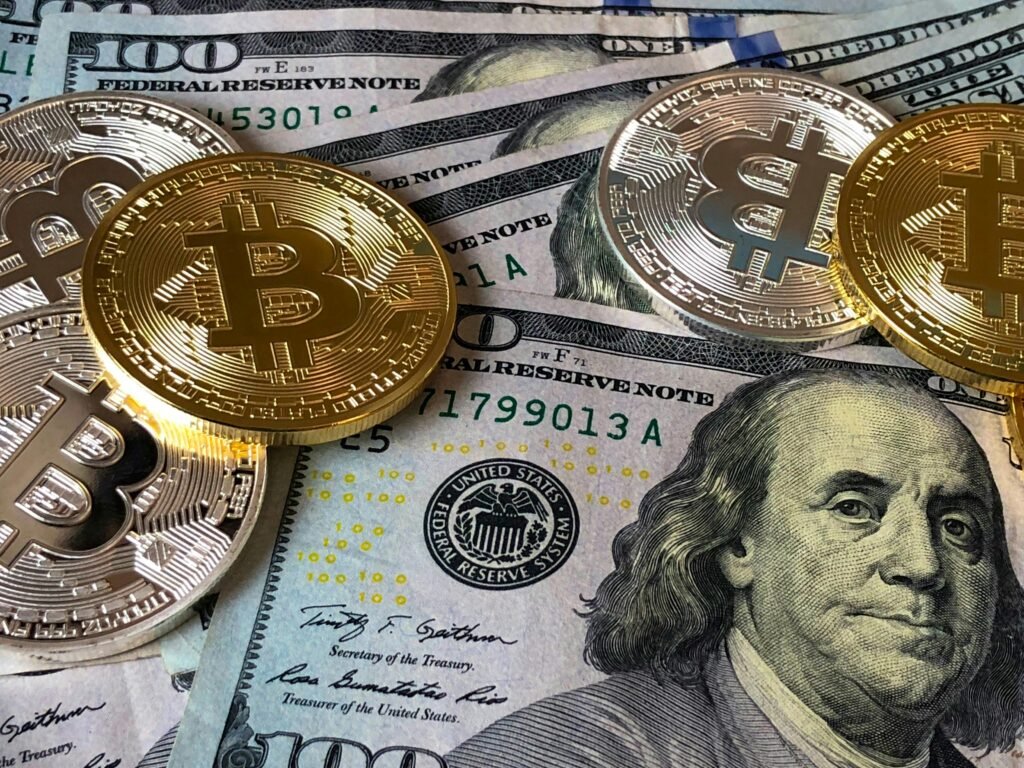
⬆️ Inflation in 2026: What Economists Expect
Inflation predictions for 2026 are at the center of global financial discussions. Economists are closely monitoring key indicators and macroeconomic forces to understand how prices may evolve. These predictions carry enormous weight for households, businesses, and investors alike.
🔍 Economic Indicators That Shape Inflation Forecasts
To predict inflation, economists analyze a mix of leading indicators, such as consumer price index (CPI), producer price index (PPI), wage growth, supply chain stability, and central bank policy decisions. For 2026, many of these indicators are sending mixed signals. While inflation cooled in 2024 and early 2025, lingering uncertainty about global supply chains and labor market tightness may push inflation expectations upward again.
- Consumer Spending Trends – Changes in demand can drive up prices, especially in services.
- Wage Growth – Persistent wage inflation can keep core inflation elevated.
- Interest Rates – Central bank policy continues to influence both inflation and economic momentum.
- Commodity Prices – Energy and food prices remain volatile and sensitive to global shocks.
🌎 The Global Context: External Forces Driving U.S. Inflation
Inflation is not a purely domestic phenomenon. Global supply chain disruptions, energy prices, and geopolitical instability all impact U.S. inflation forecasts. The war in Ukraine, trade friction with China, and ongoing climate-related events have all contributed to price volatility since 2022. In 2026, these external shocks may persist, influencing everything from raw material costs to food prices.
For instance, disruptions in agricultural exports due to climate events in South America have already pushed up prices in the U.S. grain markets. Similarly, supply constraints in semiconductors continue to impact the prices of cars and electronics, creating persistent inflationary pressure.
🚀 The Role of Technology in Future Inflation
Technological innovation can be both inflationary and deflationary. On one hand, AI-driven productivity may lower operational costs and improve supply chain efficiency. On the other, mass adoption of emerging technologies can temporarily raise prices through demand surges or infrastructure costs.
Economists are split on how tech will shape inflation in 2026. Some expect cost savings to dominate, while others warn about increased consumer demand and the initial inflationary impact of green transitions and digital infrastructure spending.
🏛️ Government Policy and Inflation Control
Fiscal policy plays a huge role in inflation outcomes. After massive stimulus during the pandemic, the government has shifted to tighter budgetary discipline. However, new federal initiatives in infrastructure and energy could inject inflationary pressure if not counterbalanced by productivity gains or monetary tightening.
Meanwhile, the Federal Reserve continues its tightrope walk: balancing interest rate hikes with the risk of recession. Economists widely agree that the Fed will aim to keep inflation near the 2% target by mid-2026, but recent core inflation data suggests that more work may be needed. If the Fed loosens too early, it risks another inflation spike. If it tightens too much, economic growth may falter.
📊 Public Inflation Expectations and Their Economic Impact
One of the most critical elements in predicting inflation is consumer expectation. When people believe inflation will rise, they tend to adjust their behavior—spending more quickly, demanding higher wages—which in turn can make inflation a self-fulfilling prophecy. This behavioral feedback loop is a cornerstone of inflation theory.
In fact, understanding why inflation expectations drive the entire economy is key to seeing the full picture for 2026. The Fed closely monitors surveys and market-based measures of expectations to guide its policy responses. A major concern heading into 2026 is whether the public continues to view inflation as “under control”—or begins to price in long-term elevation again.
🌐 Supply Chain Evolution: Relief or Reinflation?
Post-pandemic supply chains have started to stabilize, but some bottlenecks remain. Shipping costs have declined from 2022 highs, yet certain sectors—like pharmaceuticals and semiconductors—are still constrained. Decentralization of production may increase resilience but could also lead to higher short-term costs.
- Domestic reshoring = reduced reliance on volatile foreign markets
- Higher labor costs = potentially inflationary
- Inventory buildup = can reduce price spikes but ties up capital
🤝 Consensus vs. Divergence Among Leading Economists
While most economists forecast moderation of inflation in 2026, not all agree on the pace or path. Some expect inflation to remain sticky around 3%, driven by persistent wage gains and housing shortages. Others believe a soft landing is achievable with inflation returning below 2.5% without a recession.
These differing views often depend on assumptions about productivity growth, energy prices, and consumer behavior. The consensus may shift rapidly as new data emerges, especially from the labor market, which remains one of the most unpredictable factors in inflation forecasting.
📈 Long-Term vs. Short-Term Inflation Risks
Short-term inflation risks often grab headlines—gas prices, grocery bills, rent spikes. But long-term risks, such as demographic shifts, national debt levels, and climate policy, can quietly reshape the entire inflationary landscape. Economists urge a dual-focus approach: managing immediate pressures while preparing for structural forces that could accelerate or contain inflation through the next decade.

📉 How Interest Rates Could Shape Inflation in 2026
The relationship between interest rates and inflation is at the heart of economic policymaking. As we move into 2026, the Federal Reserve remains under pressure to strike the right balance between containing inflation and supporting economic growth. The core inflation outlook remains uncertain, and interest rate policy is one of the few tools available to steer it in the desired direction.
In 2025, the Fed took a cautious stance by holding interest rates at moderate levels. However, as inflation remains above its 2% target, many economists believe the central bank will resume gradual tightening in early 2026. Higher rates are designed to reduce consumer demand and slow price increases, but they can also suppress investment and hiring if overdone.
💳 Consumer Lending and Credit Conditions
Higher interest rates directly impact consumer behavior. Mortgage rates, credit card APRs, and auto loans all become more expensive, discouraging borrowing. In 2026, tighter credit markets could act as a disinflationary force. That said, Americans still hold historically high levels of household debt, which magnifies the impact of even small rate increases.
Banks have already begun to tighten lending standards, making it harder for small businesses and lower-income households to access credit. This could lead to a slowdown in consumer-driven inflation, especially in sectors like housing, durable goods, and travel.
🏦 Yield Curves and Inflation Signals
Many analysts are watching the yield curve for clues about inflation and recession risks in 2026. An inverted yield curve—when short-term interest rates are higher than long-term ones—is traditionally seen as a warning signal. In recent quarters, we’ve seen persistent inversion, suggesting investor anxiety over economic slowdown despite near-term inflation pressures.
Understanding what an inverted yield curve really means for investors provides important context for evaluating inflation forecasts. While not a guarantee of recession, this signal reflects tightening liquidity and potential demand contraction. If businesses anticipate slower growth, they may pull back on hiring and investment, leading to lower inflation naturally.
🌱 Labor Market Frictions and Inflation Persistence
Employment remains a wild card in the inflation debate. A tight labor market—characterized by low unemployment and high job vacancies—can lead to wage inflation, especially in service sectors. As of early 2026, job growth is cooling but still solid. Wages continue to outpace productivity in key sectors like healthcare, logistics, and hospitality.
Economists warn that unless productivity improves, this wage-price spiral may continue. The question is whether businesses can absorb higher labor costs through efficiency or must pass them onto consumers. If the latter, inflation may remain stubbornly high even in a slowing economy.
- High quit rates = pressure on employers to raise wages
- Remote work = shifting wage dynamics across regions
- Union activity = resurgence in collective bargaining power
📦 Housing Costs and Inflation Projections
Housing is one of the most influential components of the inflation basket. While home price growth slowed in 2025, rents continued to rise in many urban areas. With homebuilding still below pre-pandemic levels and zoning restrictions limiting supply, affordability remains a serious issue.
In 2026, economists expect modest relief in some markets thanks to new multifamily construction and cooling demand. However, structural shortages in high-growth cities like Austin, Phoenix, and Miami are likely to keep shelter inflation elevated. This complicates the Federal Reserve’s task, as rent inflation tends to lag other indicators and respond slowly to policy changes.
🏗️ Construction Costs and Material Inflation
Material costs—especially for lumber, concrete, and copper—remain high due to supply chain friction and global demand. Labor shortages in the construction industry also drive up project costs. These factors make it more expensive to build new housing, further limiting supply and putting upward pressure on prices.
🌍 Energy Prices: A Key Variable for 2026
Energy is another wild card in inflation forecasts. Oil prices, natural gas availability, and electricity costs all feed directly into household budgets and production expenses. In 2025, prices remained volatile due to OPEC supply controls, renewable energy transitions, and weather-related disruptions.
By 2026, some economists predict stabilization as renewable capacity scales up. Others caution that energy shocks remain likely—especially from geopolitical tension in the Middle East or extreme weather events. If energy prices spike, headline inflation could rise even if core categories remain stable.
🚗 Transportation Costs and Goods Inflation
Transportation inflation has cooled since its 2022 highs, but supply bottlenecks persist in key areas. The cost of shipping goods, especially across oceans, remains elevated compared to pre-pandemic norms. Logistics companies face higher labor costs, insurance premiums, and fuel expenses.
These factors may contribute to persistent goods inflation in 2026, particularly for imported electronics, automobiles, and machinery. While improved logistics tech may help, cost pressures are likely to remain in many global supply chains.
📊 Inflation Volatility and Market Reactions
Financial markets are pricing in continued volatility. Investors are closely monitoring monthly CPI reports and Fed signals for clues on policy shifts. Any unexpected jump in inflation could trigger equity sell-offs or bond market swings. The Fed’s credibility in managing inflation expectations is critical to market stability.
Some analysts worry that the Fed’s delayed reaction in 2021–2022 may still haunt its reputation. If the public and markets perceive the Fed as behind the curve again in 2026, it could weaken the effectiveness of forward guidance and lead to overcorrections in interest rates or asset prices.
📈 Sectors Most Sensitive to Inflation in 2026
Not all parts of the economy react equally to inflation. Certain sectors are especially vulnerable to price changes, both from a consumer and business standpoint. Understanding these differences is vital for crafting targeted policy and investment strategies.
- Healthcare: Labor-intensive and facing wage pressures
- Food & Agriculture: Affected by climate, transport, and input costs
- Real Estate: Sensitive to rate changes and construction bottlenecks
- Retail: Dependent on discretionary income and consumer sentiment
By monitoring inflationary trends in these sectors, economists hope to create more precise forecasts and anticipate potential ripple effects across the economy.
📉 Disinflation vs. Deflation: What’s the Difference?
As we head deeper into 2026, it’s important to distinguish between disinflation and deflation. Disinflation refers to a slowdown in the rate of inflation—prices still rise, but more slowly. Deflation, by contrast, means prices are falling outright. While disinflation is often welcomed as a sign of stabilization, deflation can be dangerous, leading to lower consumer spending, reduced investment, and job losses.
At present, most economists believe disinflation is the dominant force. However, if the Fed overtightens or consumer demand drops sharply, the risk of deflation cannot be dismissed entirely. Such a scenario would represent a serious policy dilemma for central banks trying to balance growth and price stability.

🔮 Technological Disruption and Structural Inflation Shifts
As we look further into 2026 and beyond, structural changes in the economy are becoming more influential than short-term data spikes. Chief among them is the role of technology—not just in pricing, but in redefining how inflation is measured and experienced. Automation, artificial intelligence, and digitization continue to transform labor markets, production cycles, and consumer behavior. But these advances can have conflicting impacts on inflation.
In sectors like logistics and manufacturing, AI-driven automation is lowering unit costs and boosting output efficiency. These deflationary forces could help anchor long-term inflation. Yet, in sectors like healthcare and education—where human capital remains central—productivity gains are limited, and price pressures persist. This widening gap may lead to uneven inflation across different segments of the economy, complicating economic policy responses.
🤖 Will AI Reduce or Amplify Inflation?
The debate on AI and inflation is far from settled. On one side, proponents argue that widespread automation will tame costs and increase supply elasticity, thereby containing inflation. On the other hand, skeptics believe AI could raise demand for premium digital products and services, widening inequality and driving consumption-led inflation. The truth likely lies somewhere in the middle—technology may restrain inflation in some sectors while elevating it in others.
🌎 Demographics, Immigration, and the Future of Prices
Another key factor in long-term inflation is demographics. Aging populations in the U.S. and other advanced economies may reduce workforce participation and productivity, placing upward pressure on wages and healthcare costs. At the same time, immigration policy plays a vital role in mitigating these effects. Increased immigration can expand the labor pool and help stabilize prices, particularly in industries facing chronic shortages like elder care, construction, and agriculture.
Economists are closely watching whether the U.S. adopts more flexible immigration policies in 2026 and how that may affect inflationary dynamics. A younger, growing labor force could help temper wage inflation and maintain economic growth, even as demographic headwinds intensify.
💰 Government Debt and Fiscal Policy Constraints
The national debt surpassed $34 trillion in early 2025, raising concerns about the long-term sustainability of U.S. fiscal policy. While government borrowing has funded essential investments and pandemic recovery, it also creates inflationary risk. Interest payments now consume a growing share of the federal budget, limiting fiscal flexibility in future downturns.
In 2026, economists warn that if inflation stays elevated, debt servicing costs will rise even further. This may force difficult choices—higher taxes, reduced spending, or financial repression. The path chosen will shape both inflation and economic confidence in the years to come.
📉 Inflation Scenarios: Best-Case, Middle, and Worst-Case
Economists use scenario modeling to estimate inflation outcomes under varying conditions. Here’s a simplified breakdown of three plausible paths for 2026 and beyond:
- Best-Case Scenario: Inflation falls to 2.2% by Q4 2026, aided by tech-driven productivity and supply chain normalization. The Fed maintains credibility, and a soft landing is achieved.
- Middle Scenario: Inflation hovers around 3% with volatility. Wage growth slows, but housing and energy remain stubborn. The Fed cautiously hikes rates, avoiding recession.
- Worst-Case Scenario: Inflation rebounds to 4%+, driven by global shocks or policy missteps. Consumer confidence declines, rates spike, and growth stagnates.
Which path the U.S. takes depends on a complex web of domestic policy, global events, public expectations, and technological progress. Economists will continue to revise forecasts as new data and disruptions emerge.
📊 Tracking Inflation in Real Time
Traditional inflation reports are lagging indicators, but the modern economy demands faster insights. In 2026, economists rely on alternative data sources like real-time pricing from e-commerce platforms, credit card spending data, and supply chain analytics. These tools allow for more responsive policymaking and granular inflation tracking by region and sector.
This shift toward real-time data is a game-changer for both markets and policymakers. It enables better targeting of fiscal stimulus or rate adjustments and helps avoid overcorrections based on outdated information. Expect this to become a standard part of inflation analysis in the years ahead.
🧠 Behavioral Economics and Inflation Psychology
Beyond numbers, inflation is deeply psychological. How people perceive price changes affects how they spend, save, and invest. When inflation feels higher than reported—due to groceries or rent spikes—consumer trust can erode even in low-inflation environments. This “felt inflation” influences everything from wage demands to political approval ratings.
In 2026, managing inflation expectations is as much about communication as it is about policy. Central banks now engage in forward guidance and transparency efforts to shape public sentiment and stabilize markets. If these tools are effective, inflation could moderate without extreme interventions.
💬 Final Thoughts: Navigating Inflation With Clarity
As 2026 unfolds, the question isn’t whether inflation will matter—it’s how we’ll respond. Households must adapt spending habits, businesses need flexible pricing strategies, and policymakers must remain vigilant without overreacting. The inflation landscape is no longer shaped solely by simple supply and demand mechanics. It’s a complex dance of psychology, global disruption, innovation, and institutional trust.
Economists will continue to debate, model, and revise their forecasts. But for everyday Americans, understanding the forces at play is the first step to making smarter financial choices. Whether inflation trends lower or higher, the key is preparation—not panic.
❓ Frequently Asked Questions (FAQ)
What is the expected inflation rate in the U.S. for 2026?
Most economists forecast inflation to average between 2.5% and 3.0% in 2026. This projection assumes moderate interest rate hikes by the Federal Reserve, improved supply chains, and stable energy markets. However, persistent wage pressure and housing shortages could push inflation higher.
How will housing costs influence inflation in 2026?
Housing continues to be one of the largest contributors to core inflation. Limited housing supply, construction delays, and rent increases in major cities are expected to keep shelter inflation elevated, even as other categories show signs of cooling.
Could inflation return to 4% or higher in 2026?
While unlikely in most models, a return to 4%+ inflation is possible if there are renewed global supply shocks, energy spikes, or a loss of public trust in the Federal Reserve’s policies. A worst-case scenario could involve inflation rebounding due to premature easing or fiscal stimulus missteps.
Is deflation a concern for 2026?
Deflation is not the base case for most economists, but it is a risk if the Federal Reserve over-tightens or if consumer demand drops sharply. Deflation could trigger layoffs, lower wages, and reduced economic activity—making it a key risk to monitor alongside inflation.
How can consumers protect themselves from inflation in 2026?
Consumers can hedge against inflation by budgeting strategically, investing in assets that typically outperform during inflation (like TIPS or commodities), and avoiding long-term fixed expenses. Staying informed is essential to make smart financial decisions in a changing economy.
This content is for informational and educational purposes only. It does not constitute investment advice or a recommendation of any kind.
Stay informed about economic shifts and inflation trends that impact your money:
https://wallstreetnest.com/category/economic-trends-inflation/